Lamborghini Diablo SE30
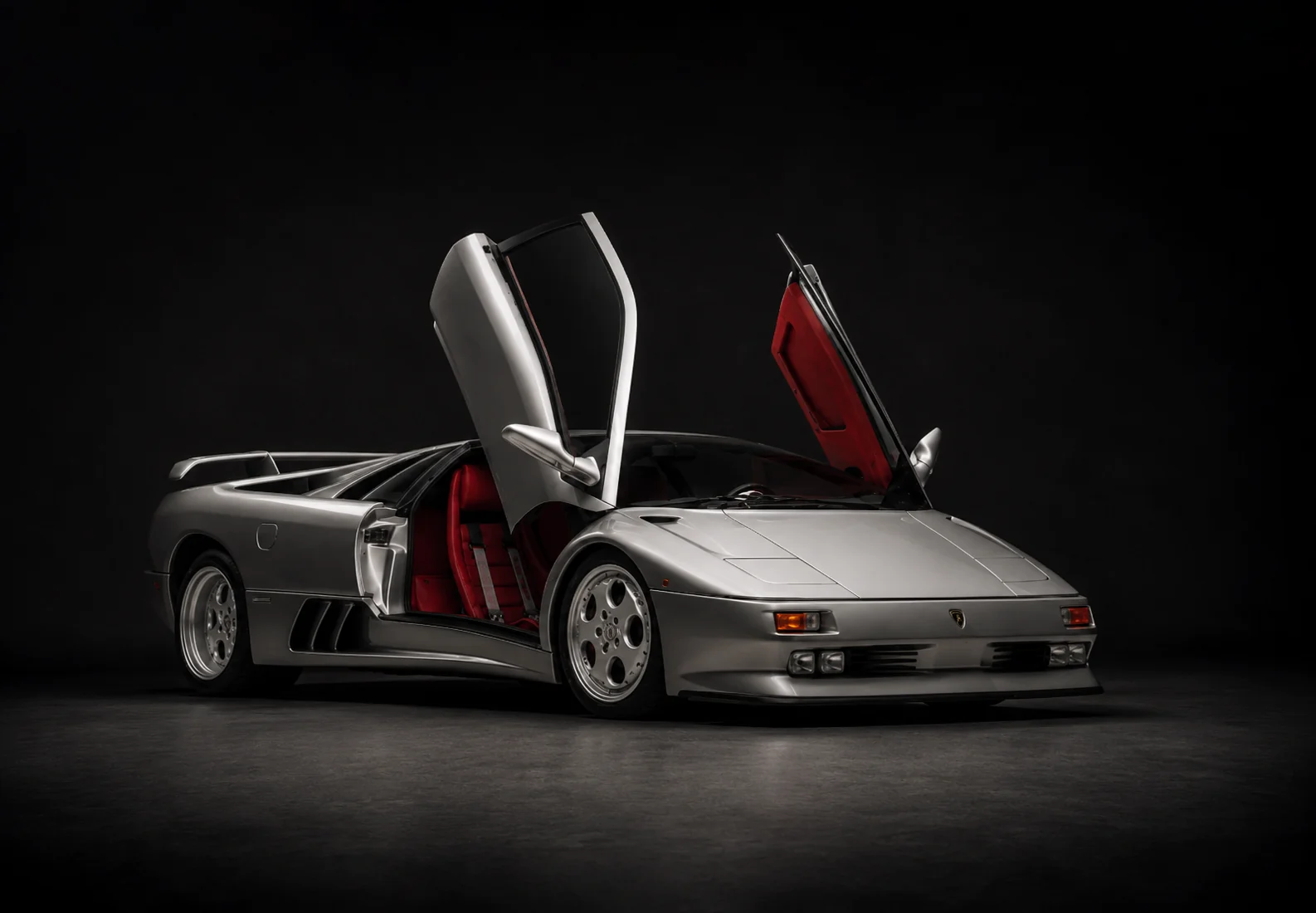
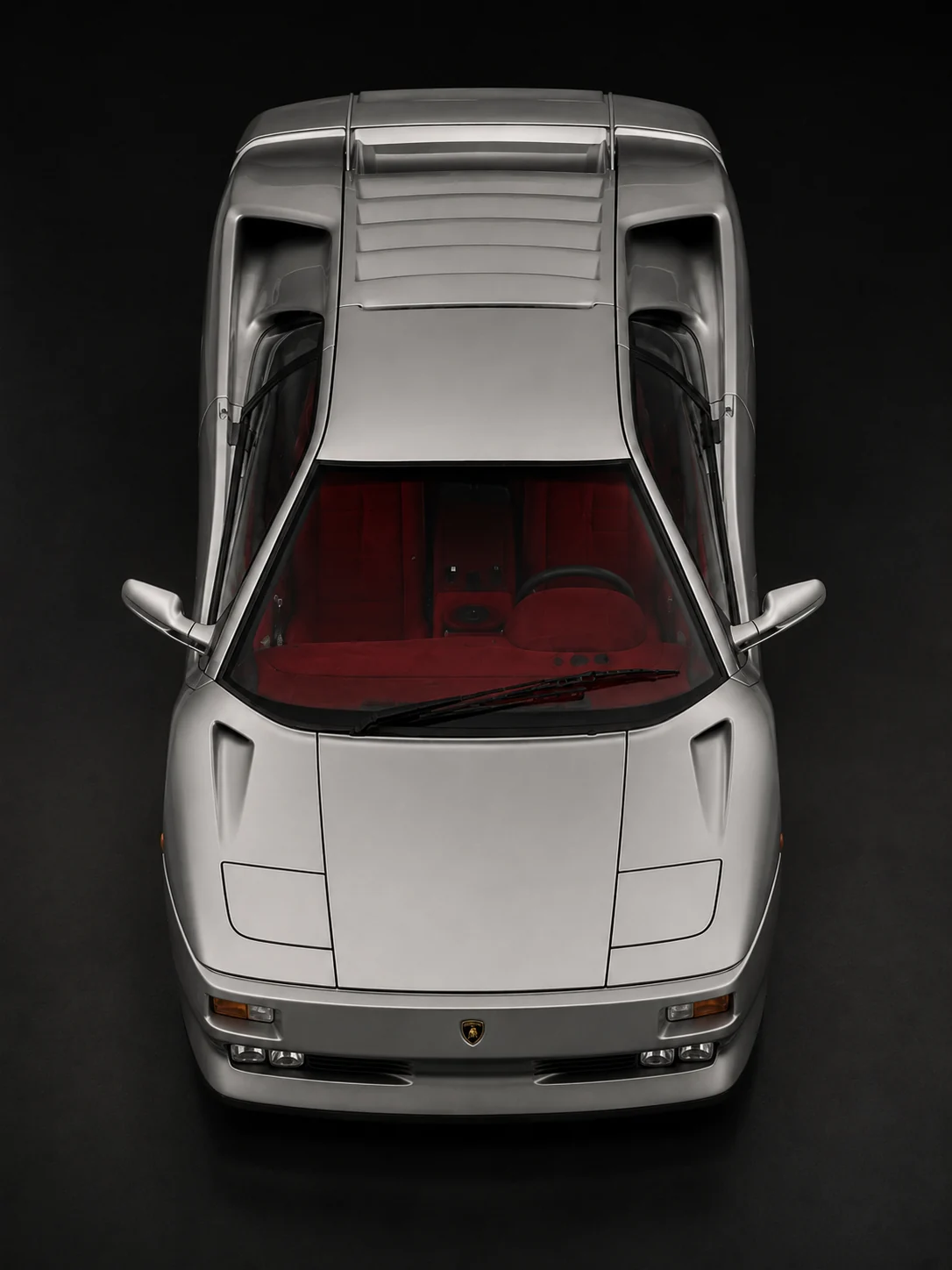
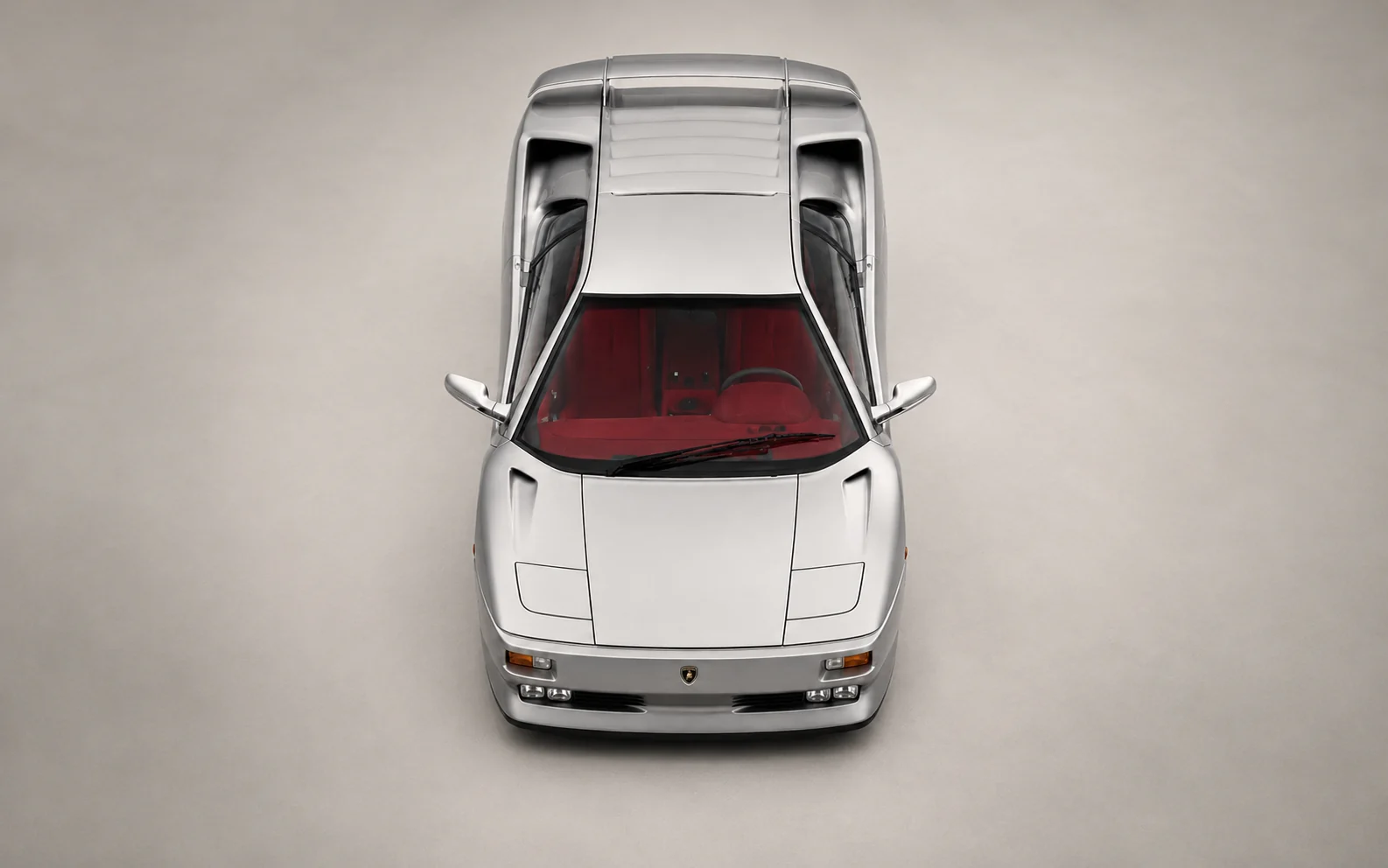
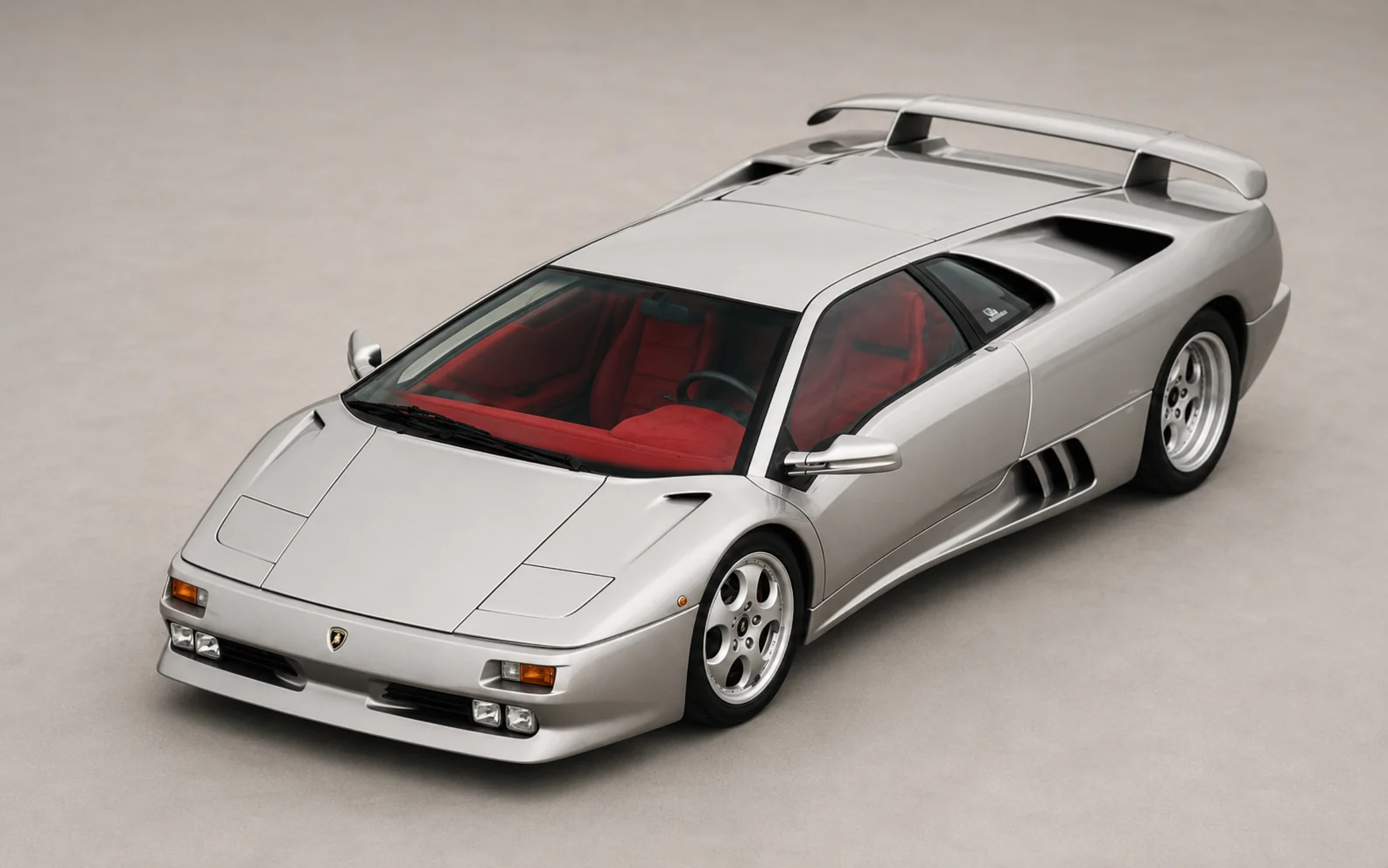
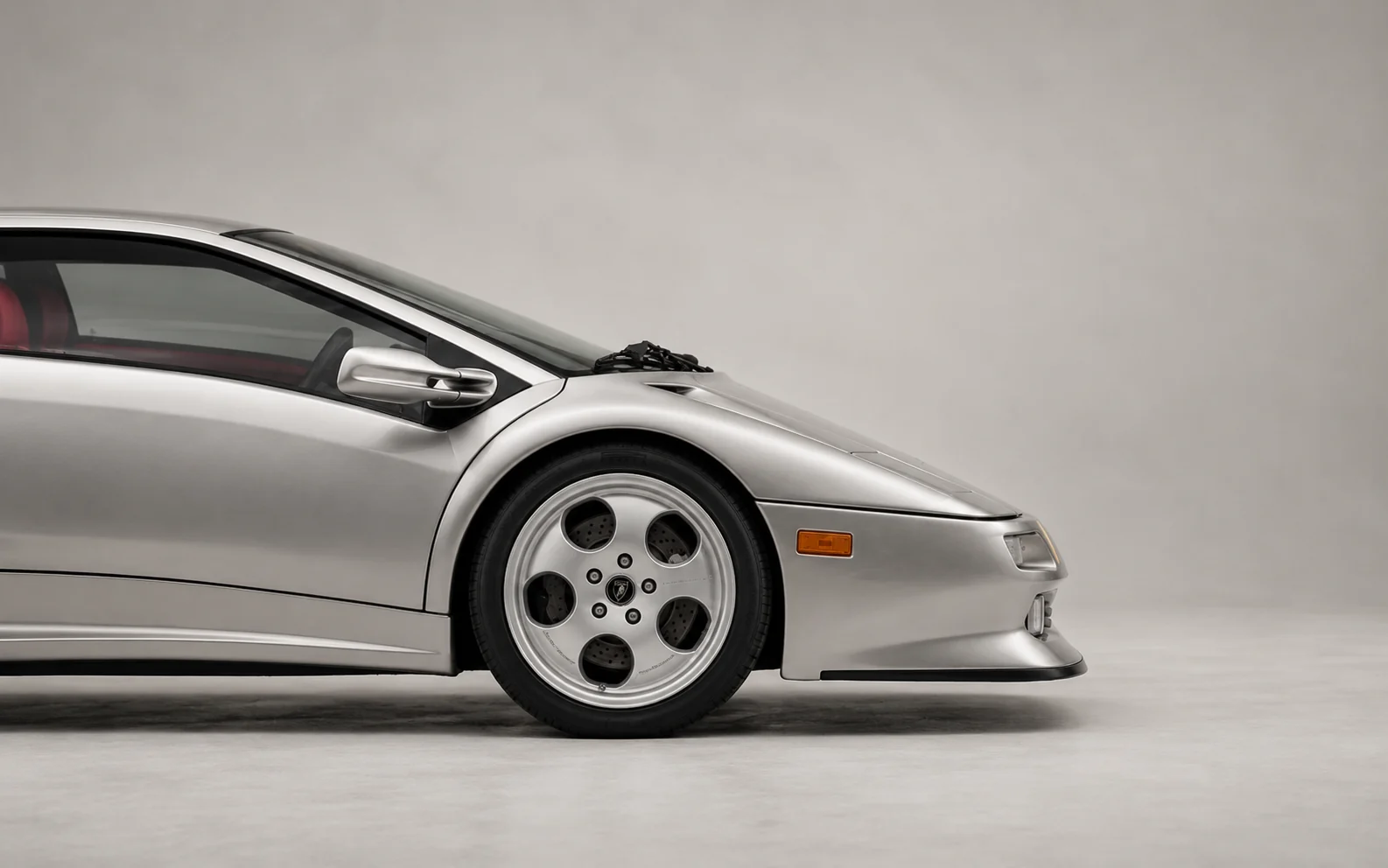
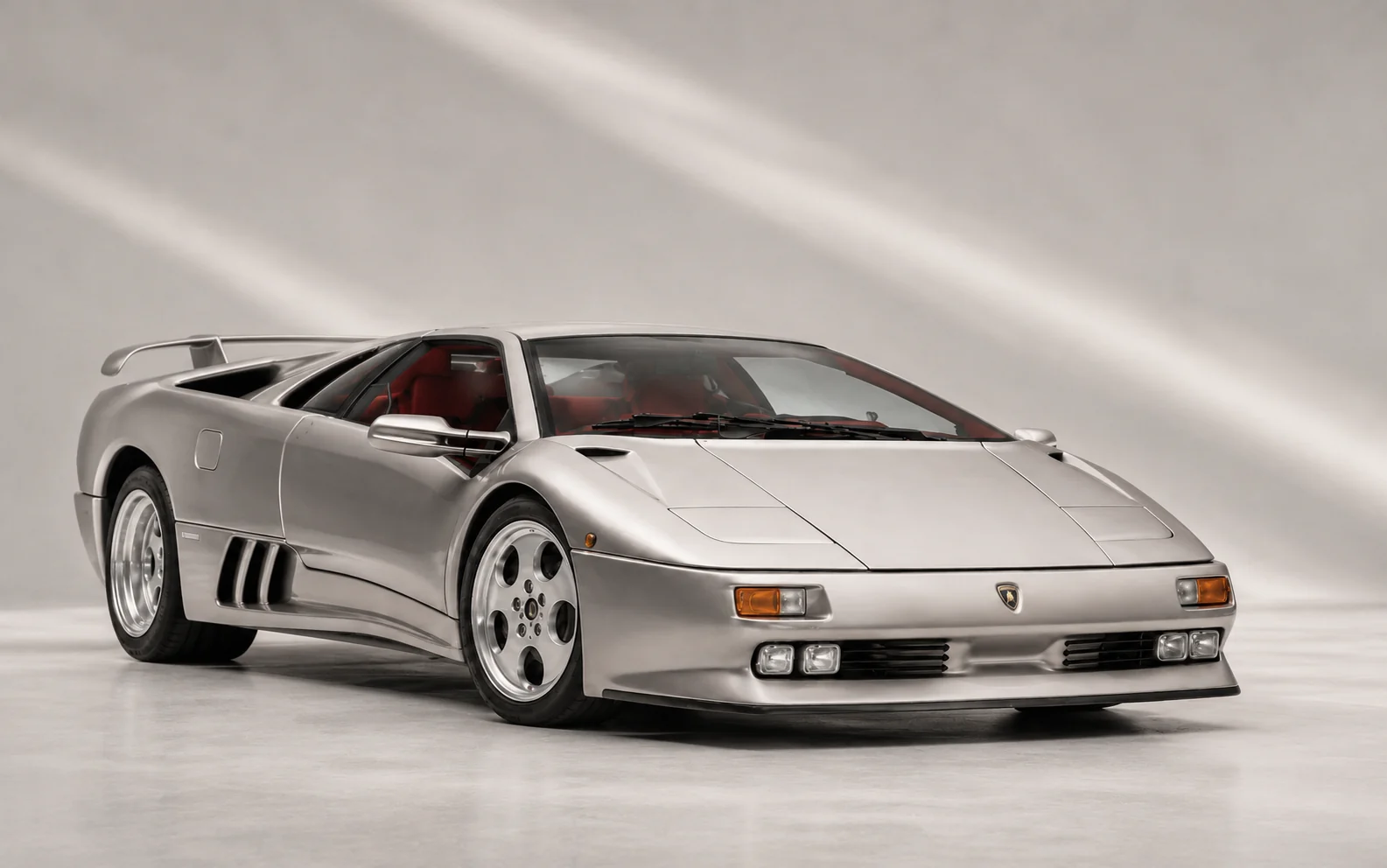
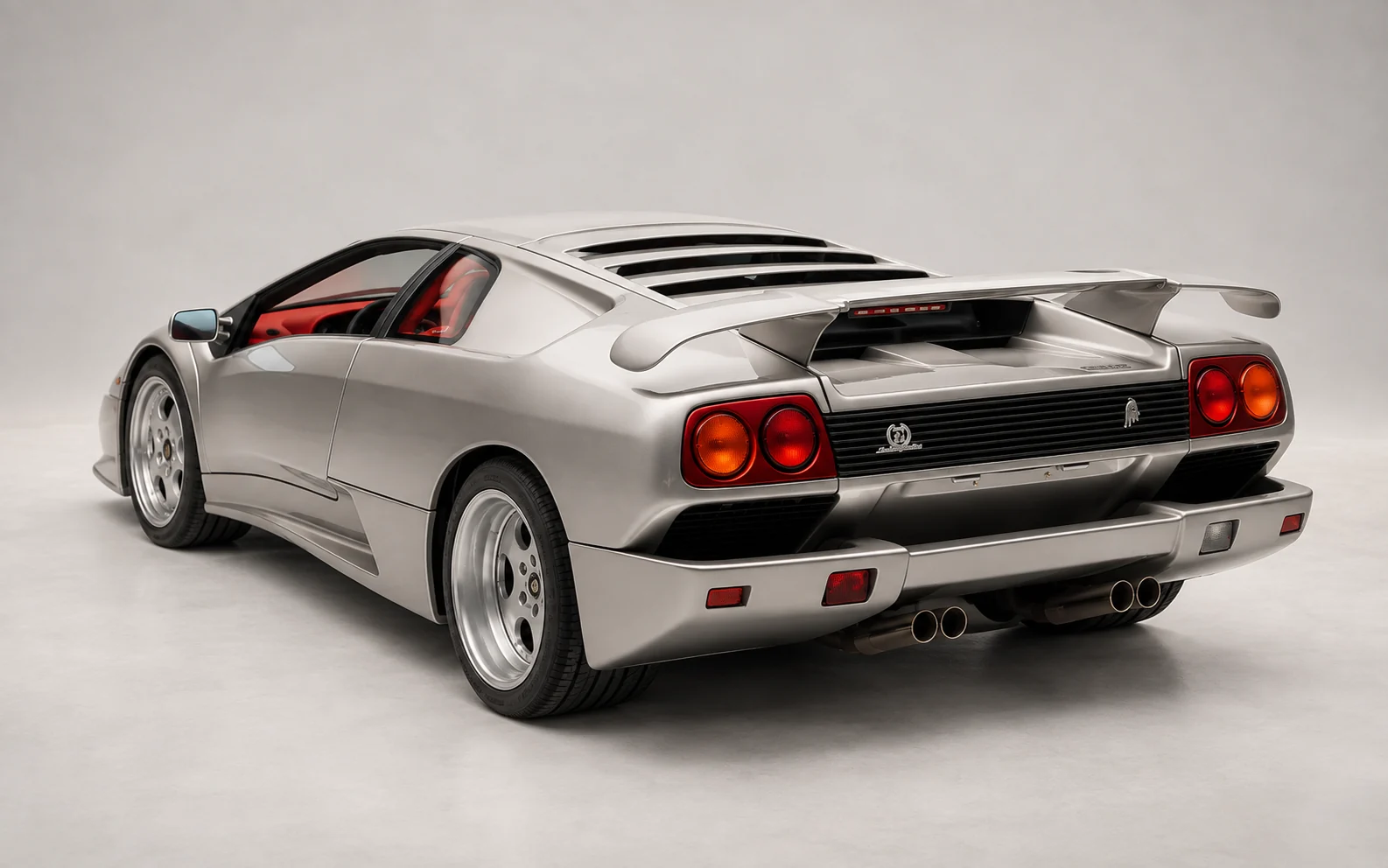
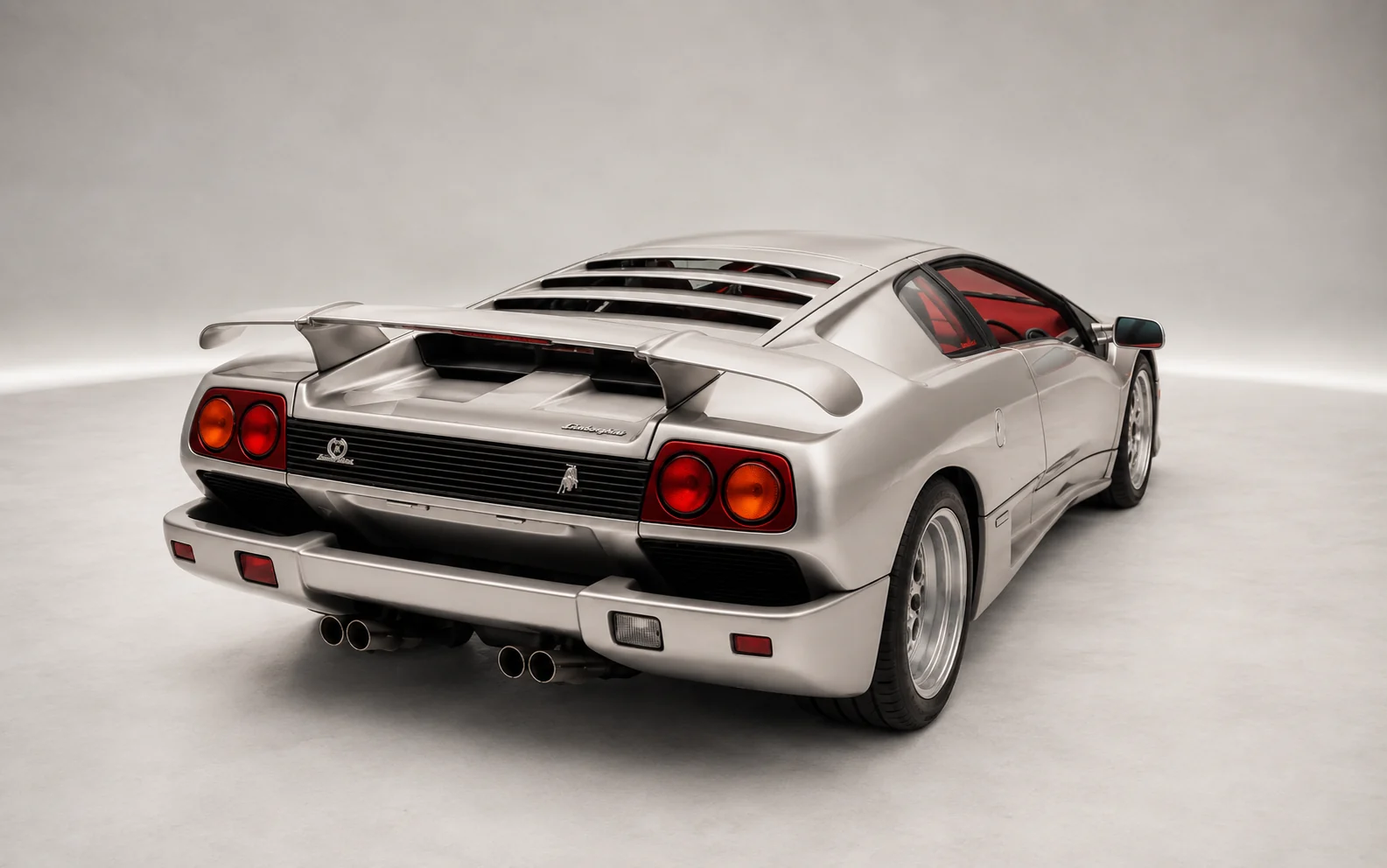
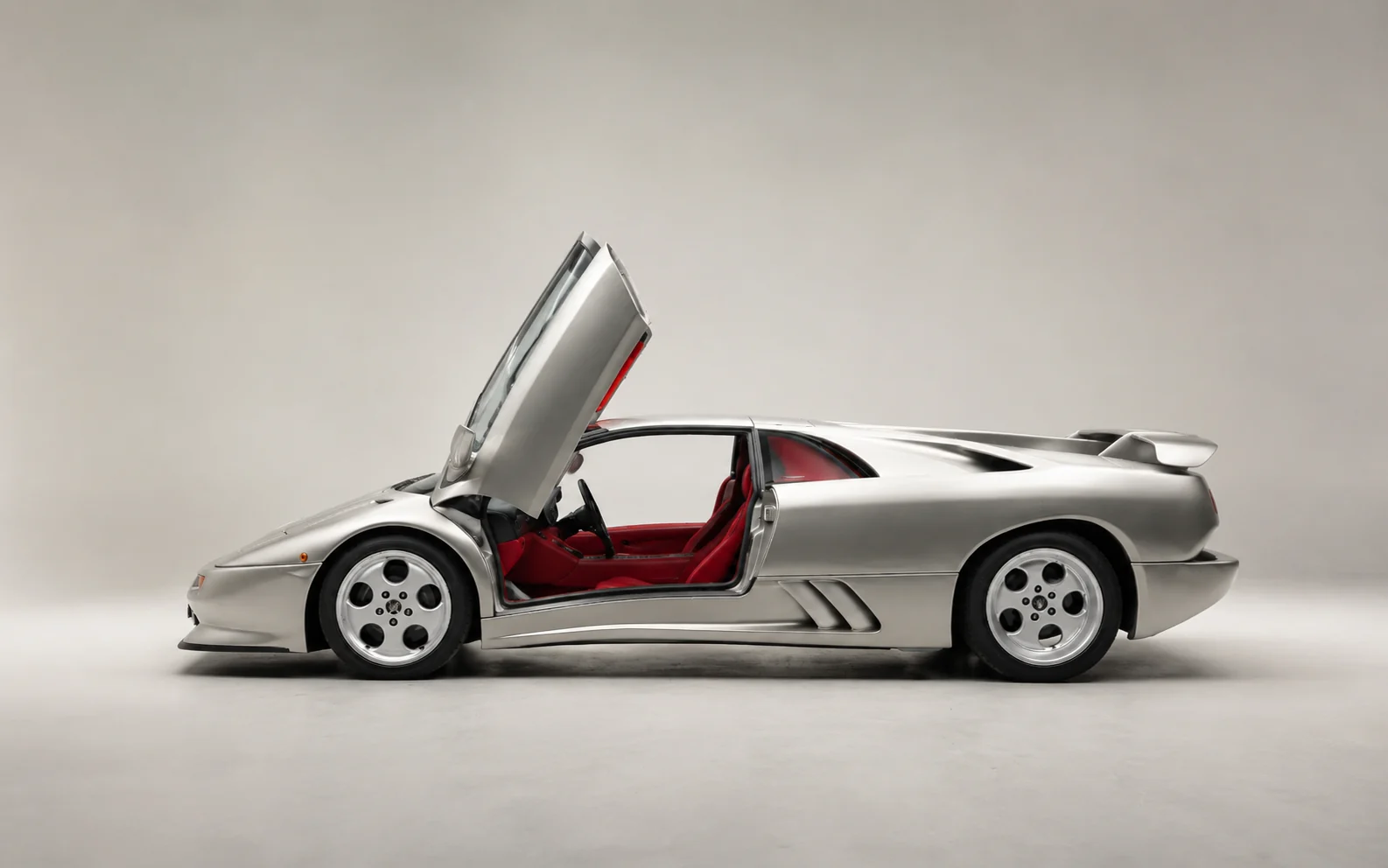
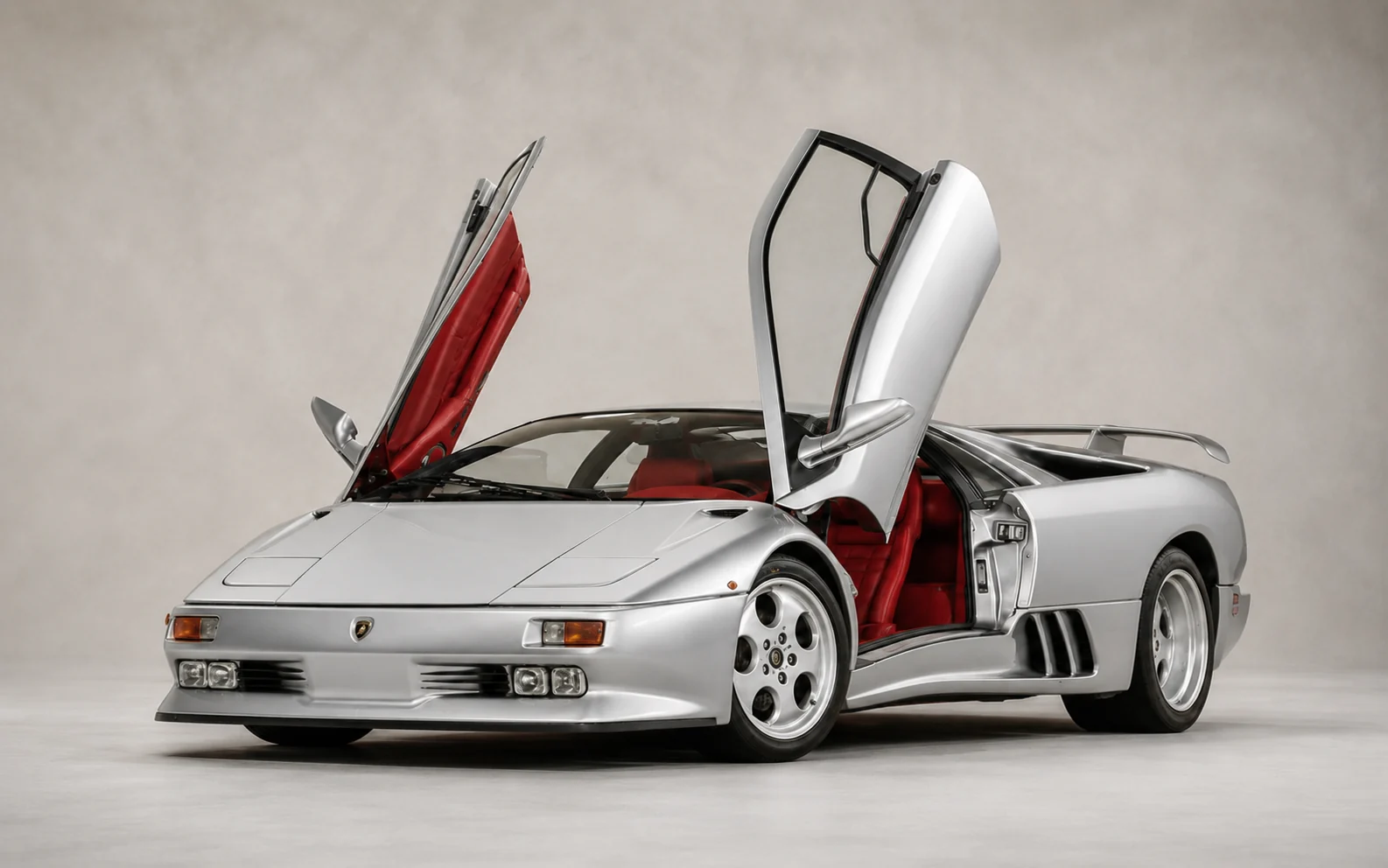
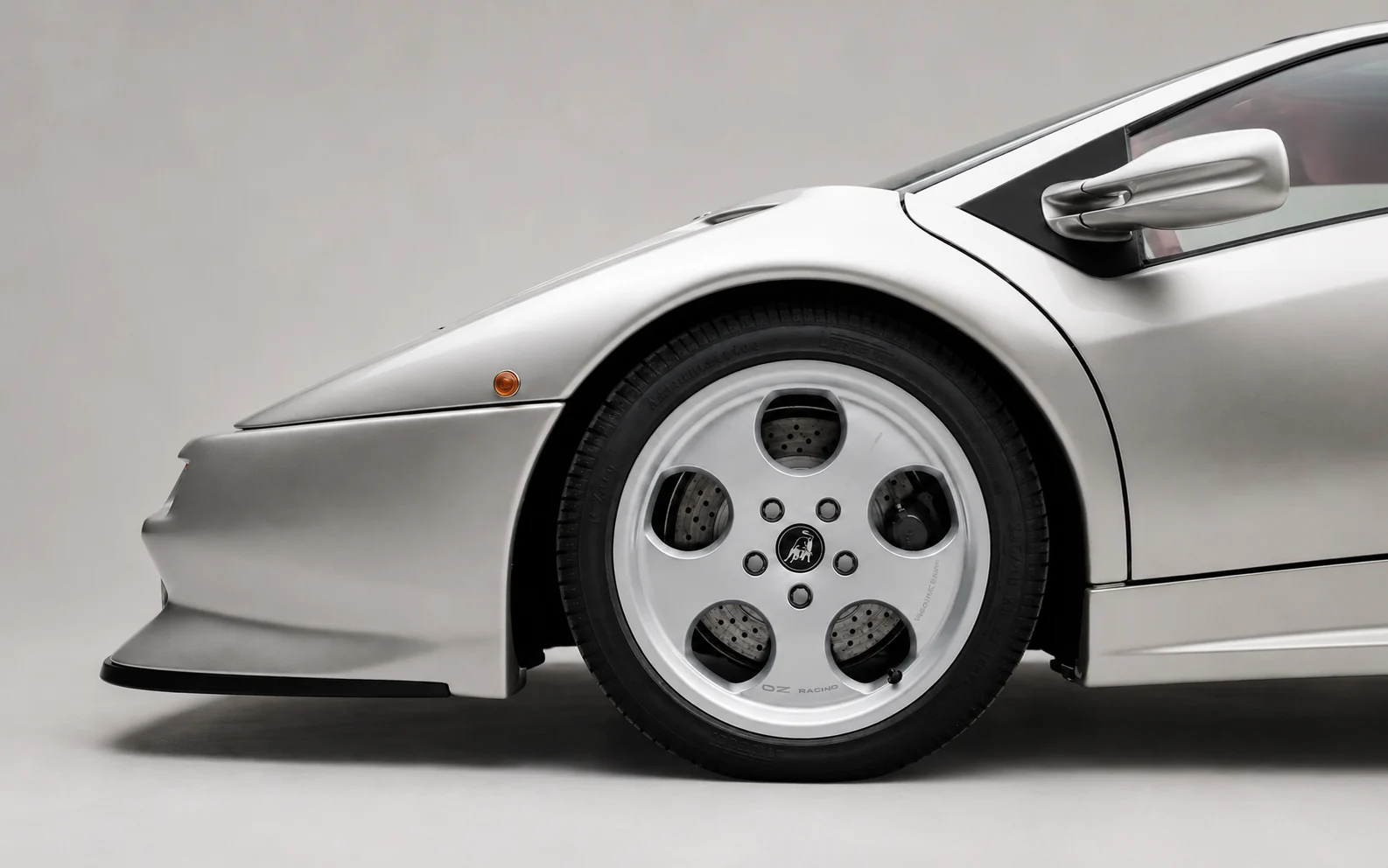
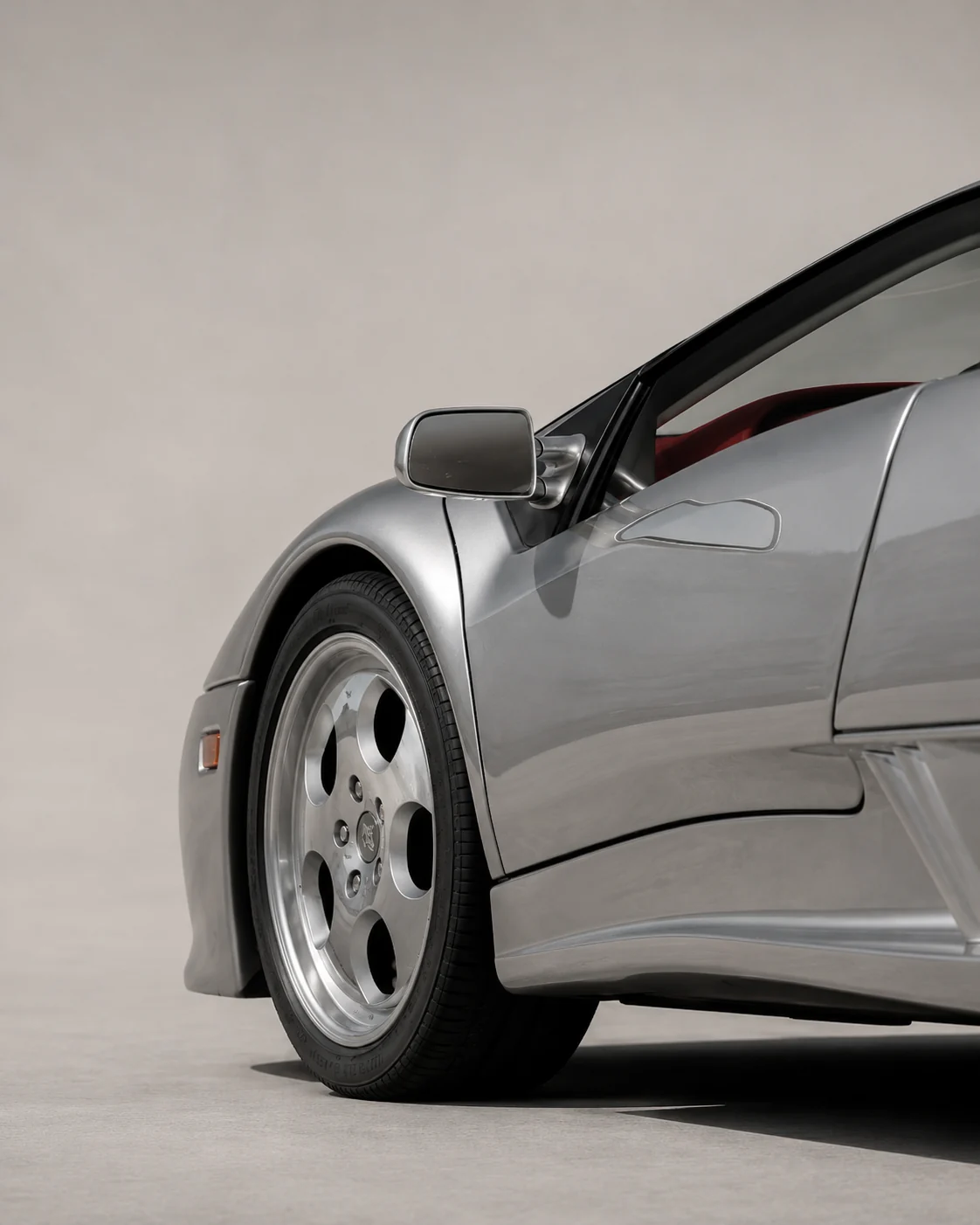
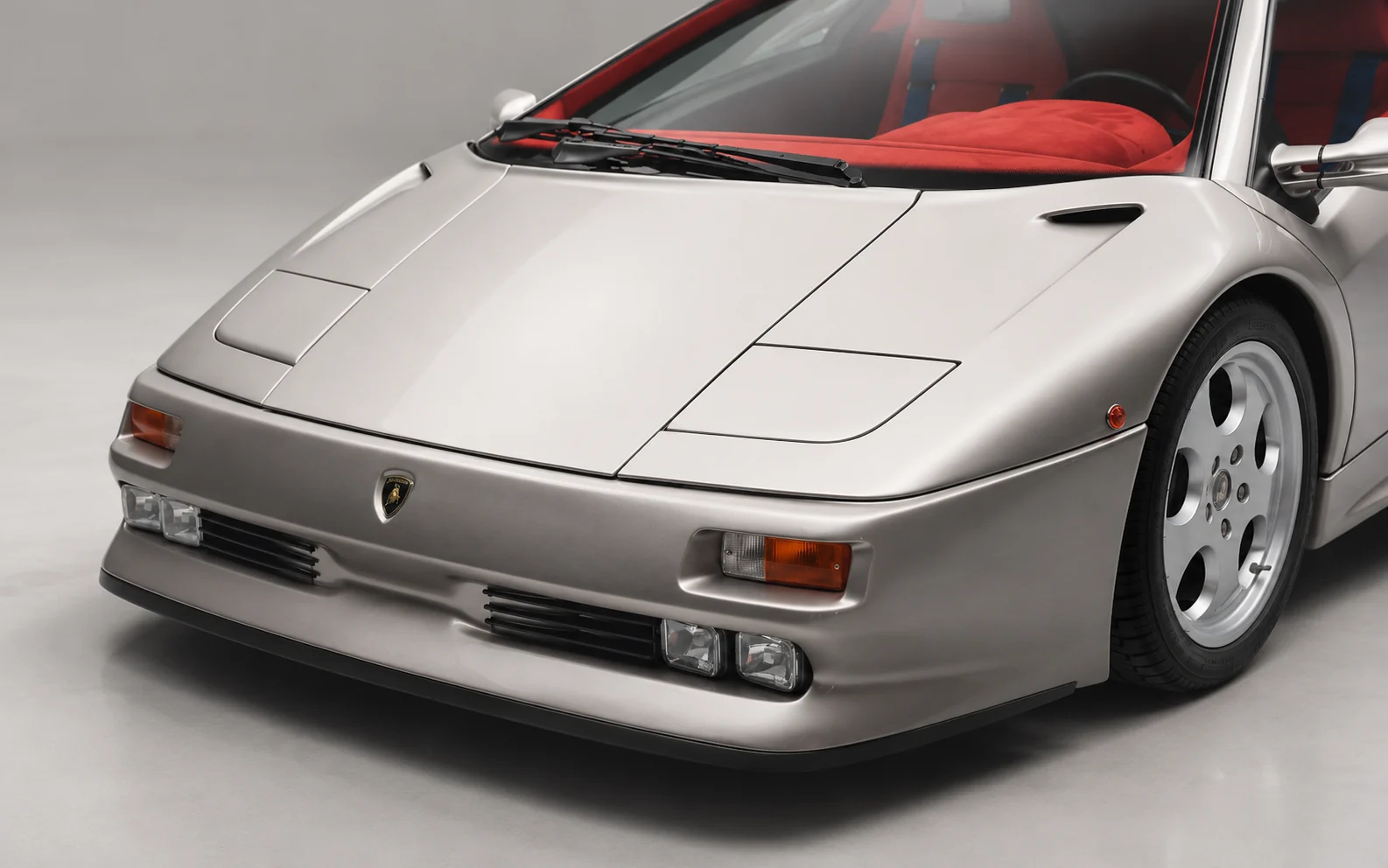
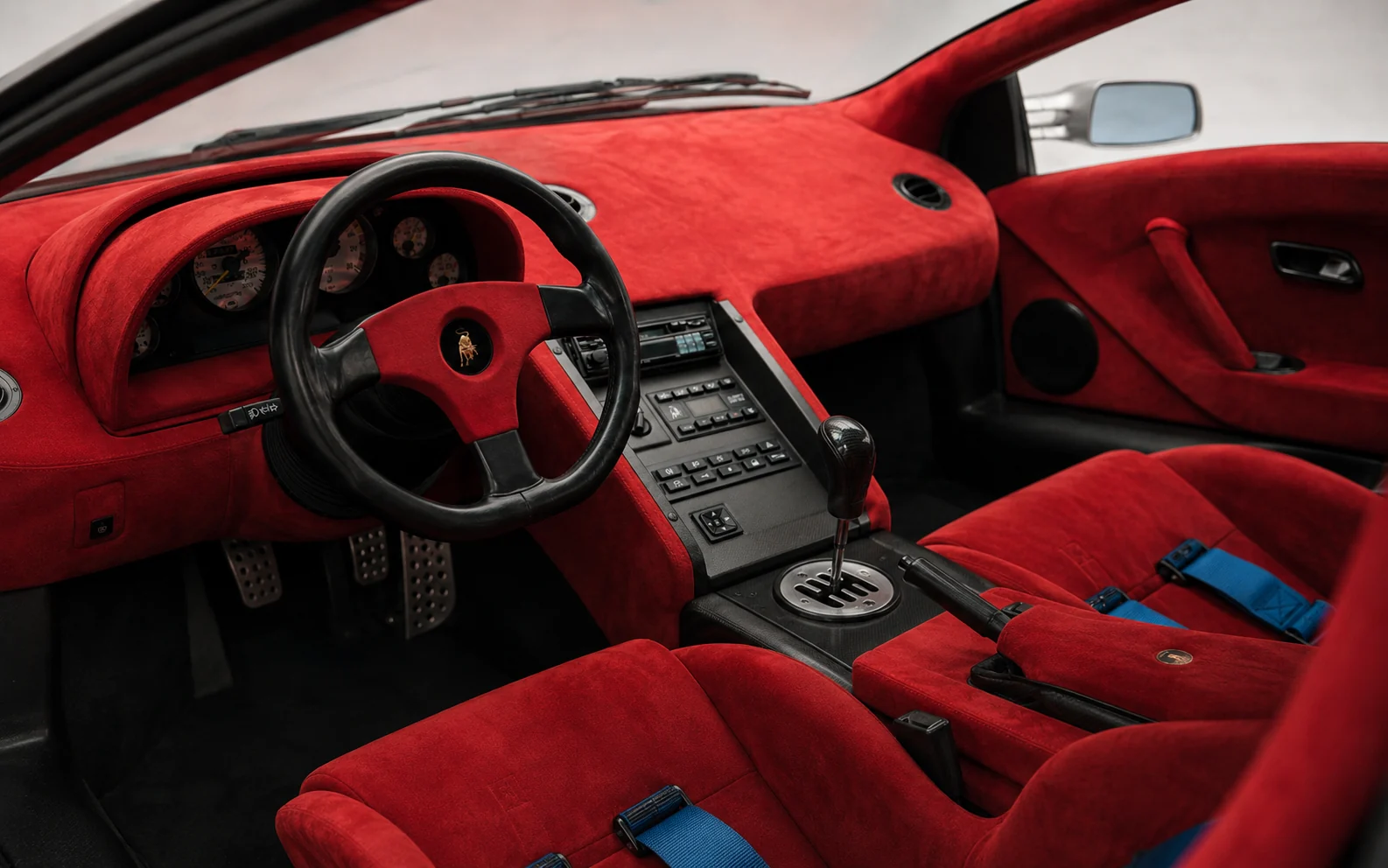
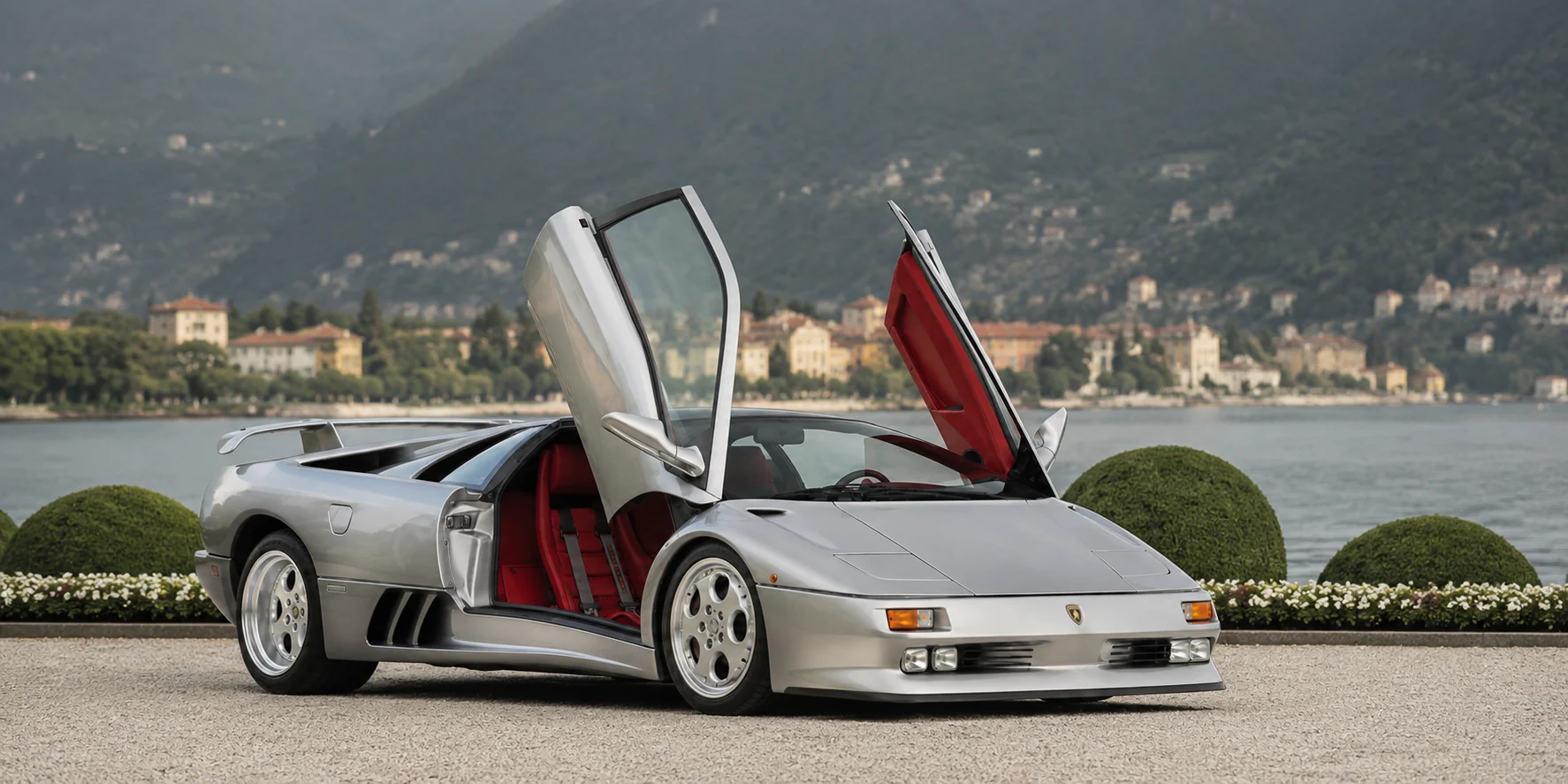
The anniversary Diablo is remembered in metallic purple. This one left the factory in Argento over red Alcantara.
Thirty Years, and a Race That Never Came
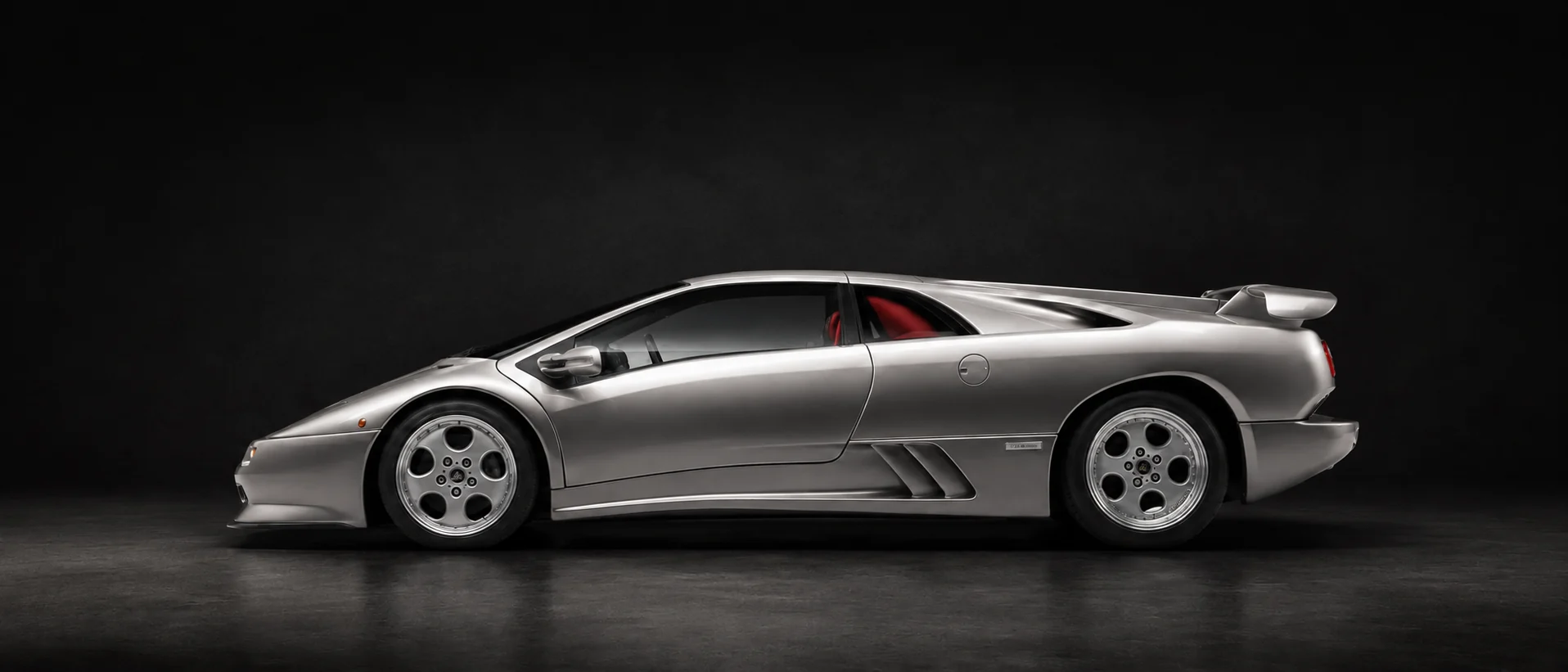
Lamborghini turned thirty in 1993, and the Diablo it was selling was three years old. The anniversary gave Sant'Agata a reason to revisit it. The timing gave them a second one.
GT racing was reviving that year, and homologation requirements had fallen far enough that a single road car could qualify a racer. The SE30 was drawn up as the road-going basis for a competition Diablo, with the Jota kit held in reserve as the conversion.
Orders were taken in both left- and right-hand drive, and the run was built out between June 1994 and November 1995. The last car to leave the factory was finished in white. Viola was the default, not the rule.
The racing programme was abandoned before a single SE30 raced. The road car built to make it possible went to customers unchanged.
One hundred and twenty-nine kilograms came out of the car. What went back in was carbon fibre.
Design
Two Hands on the Same Car
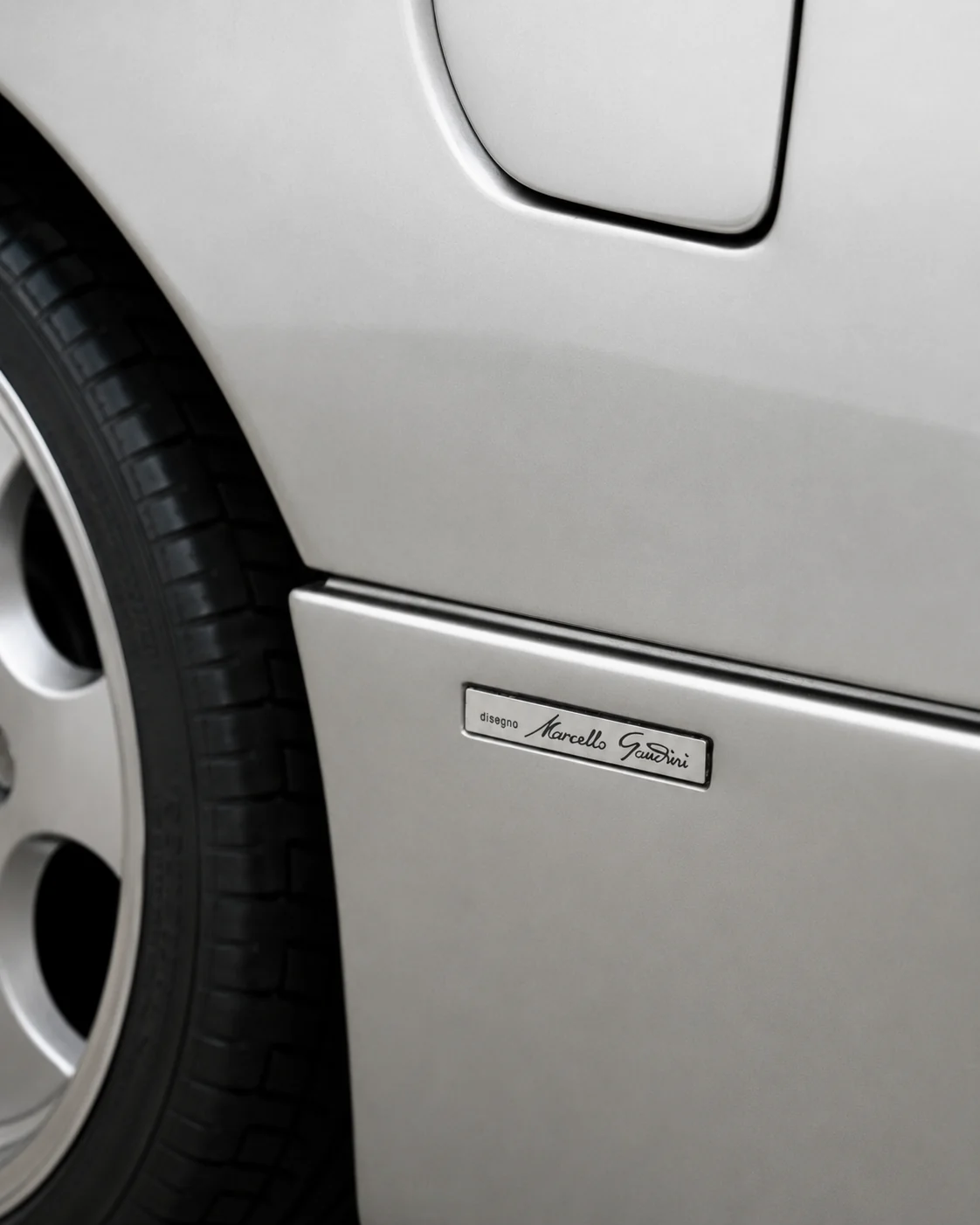
Marcello Gandini drew the Diablo, as he had drawn the Miura and the Countach before it. When Chrysler bought Lamborghini in 1987 and paid to finish the car, its design office in Detroit under Tom Gale was told to soften what Gandini had done. The edges went. Gandini kept his original drawing and gave it to Cizeta instead.
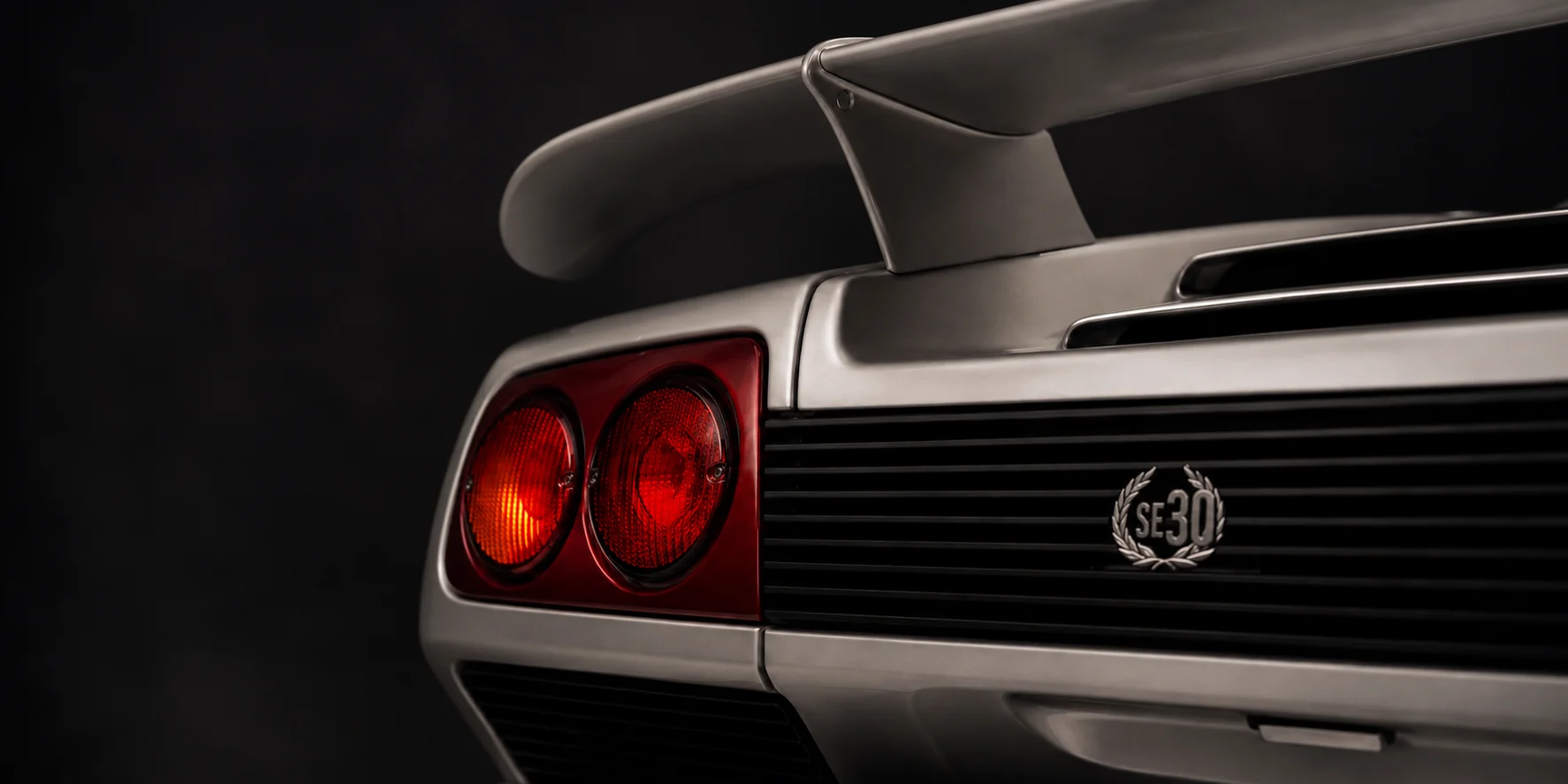
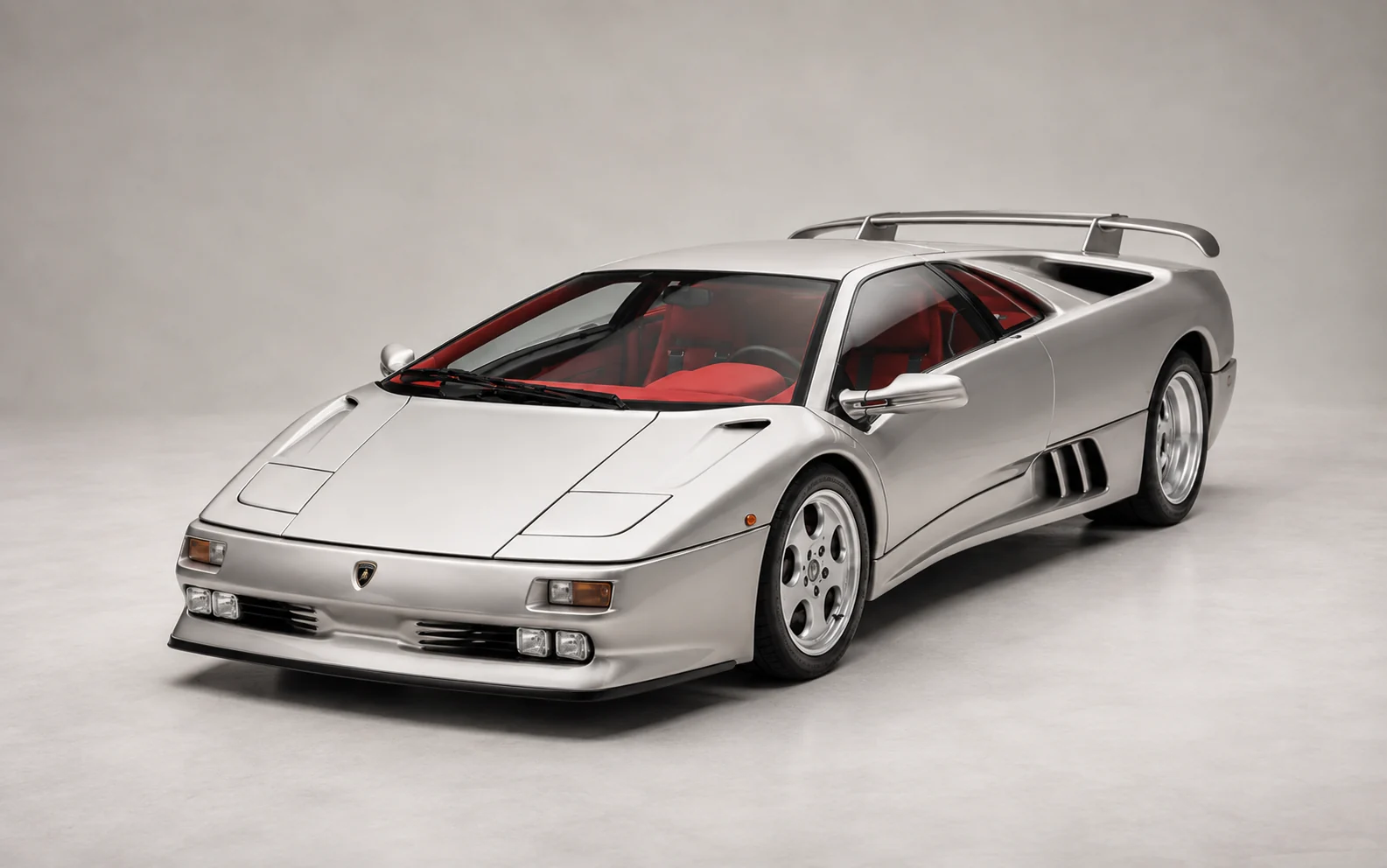
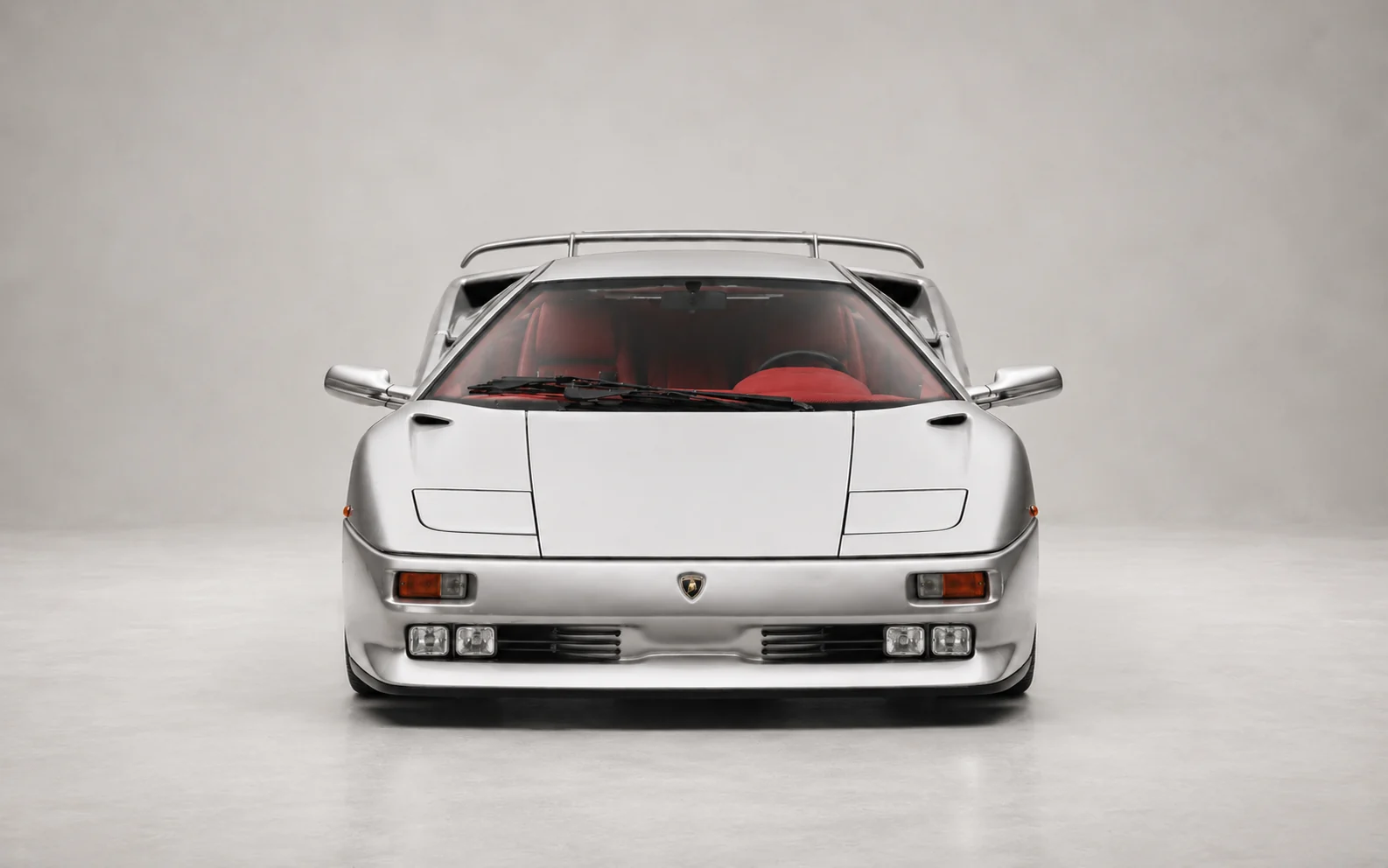
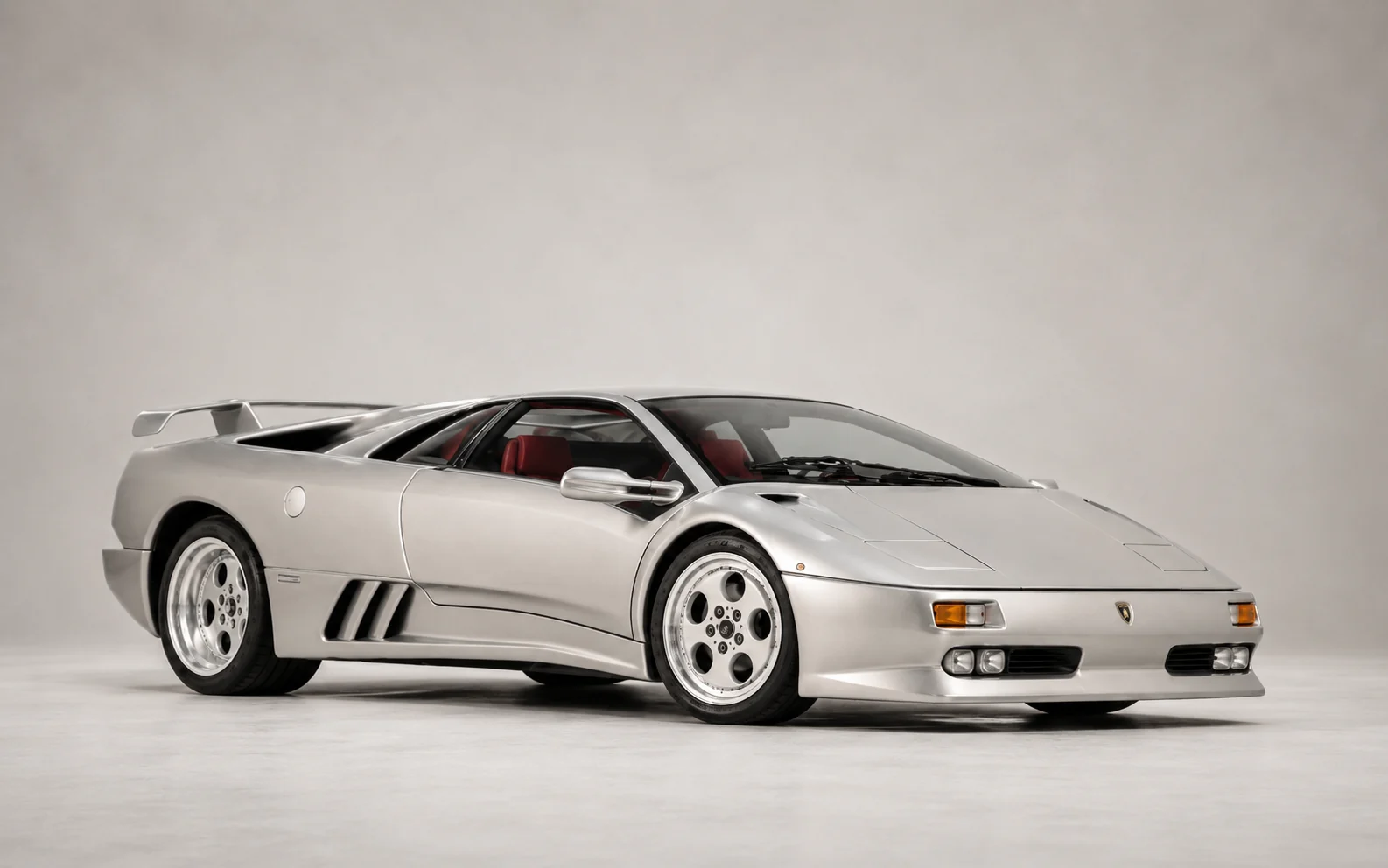
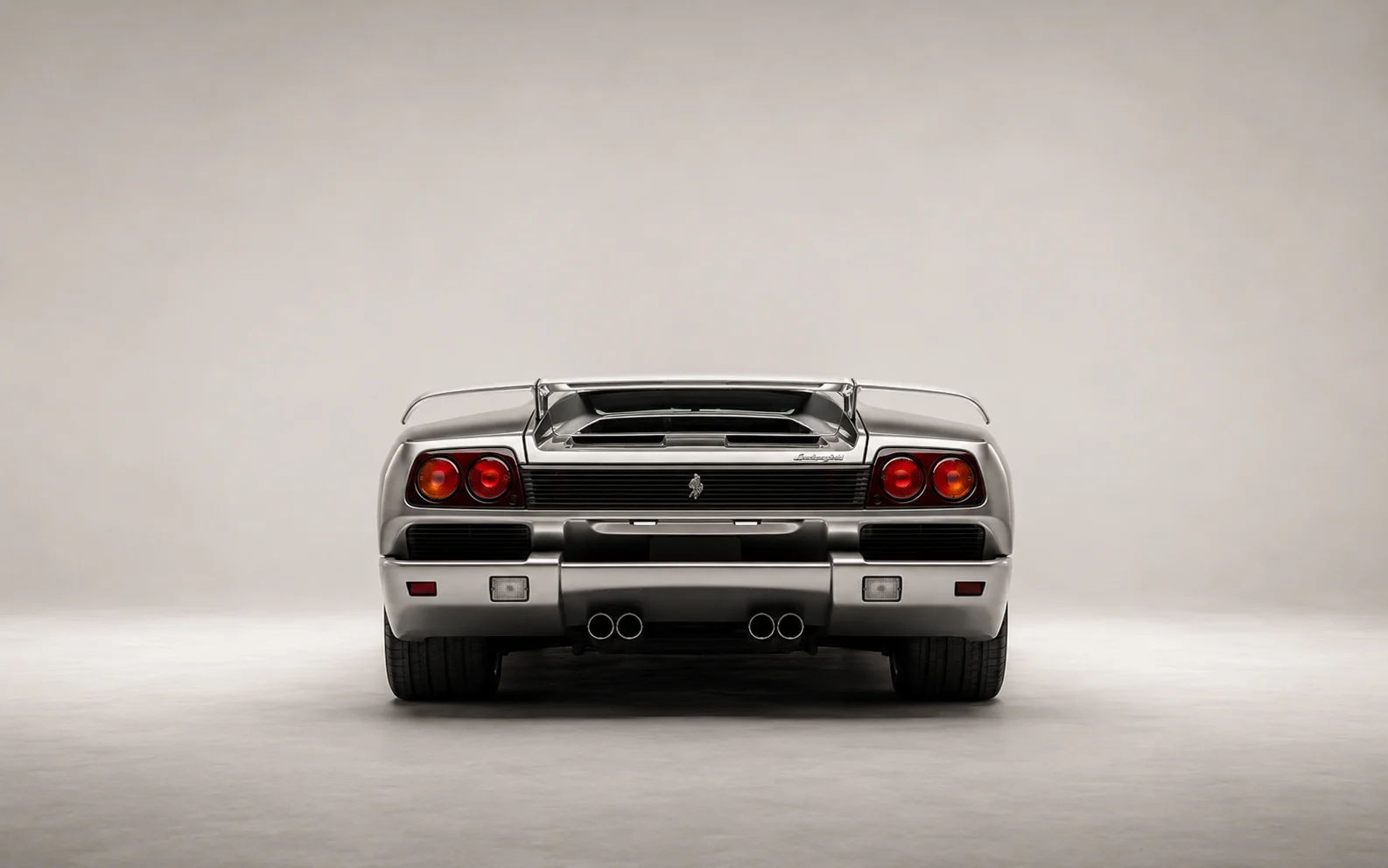
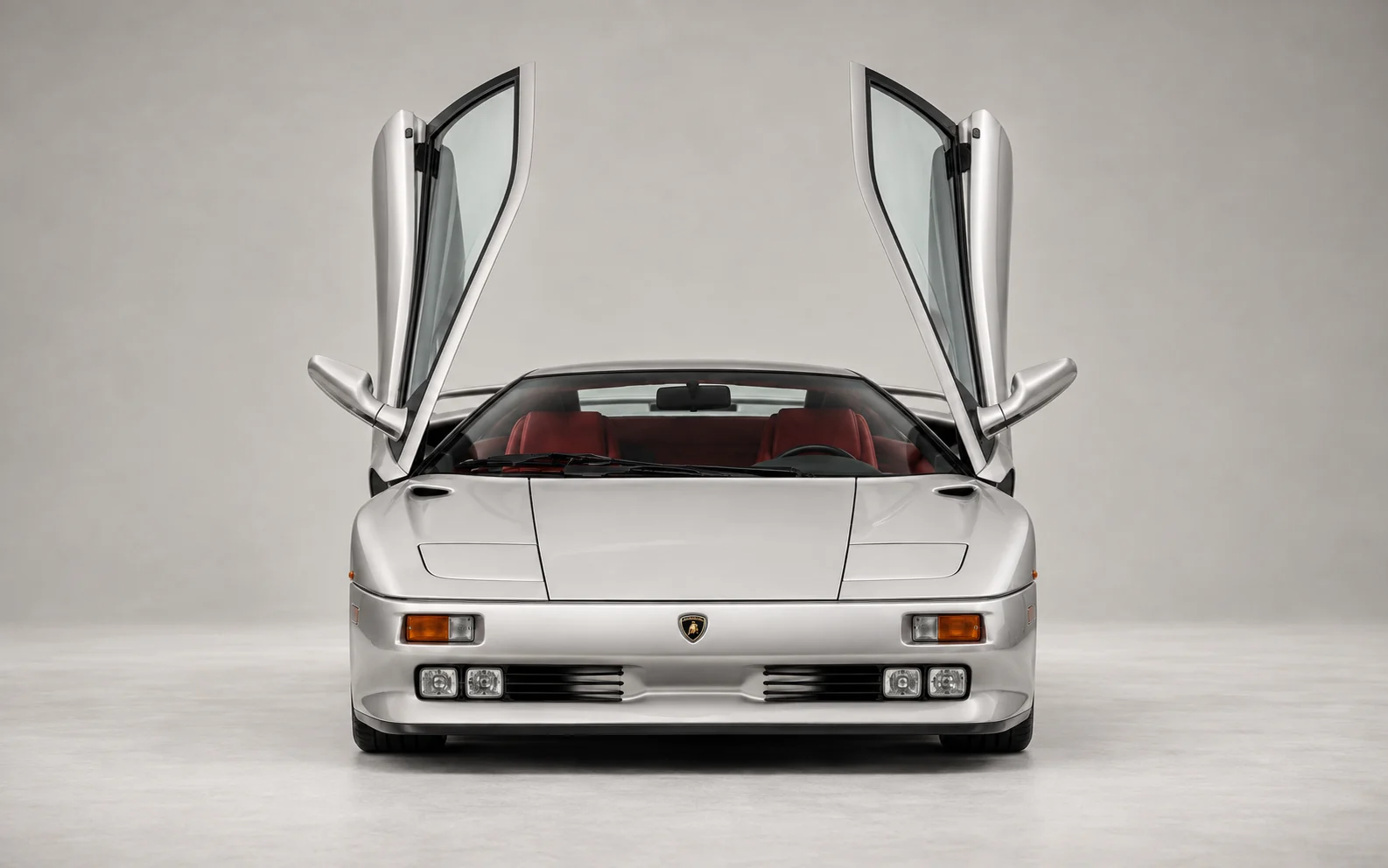
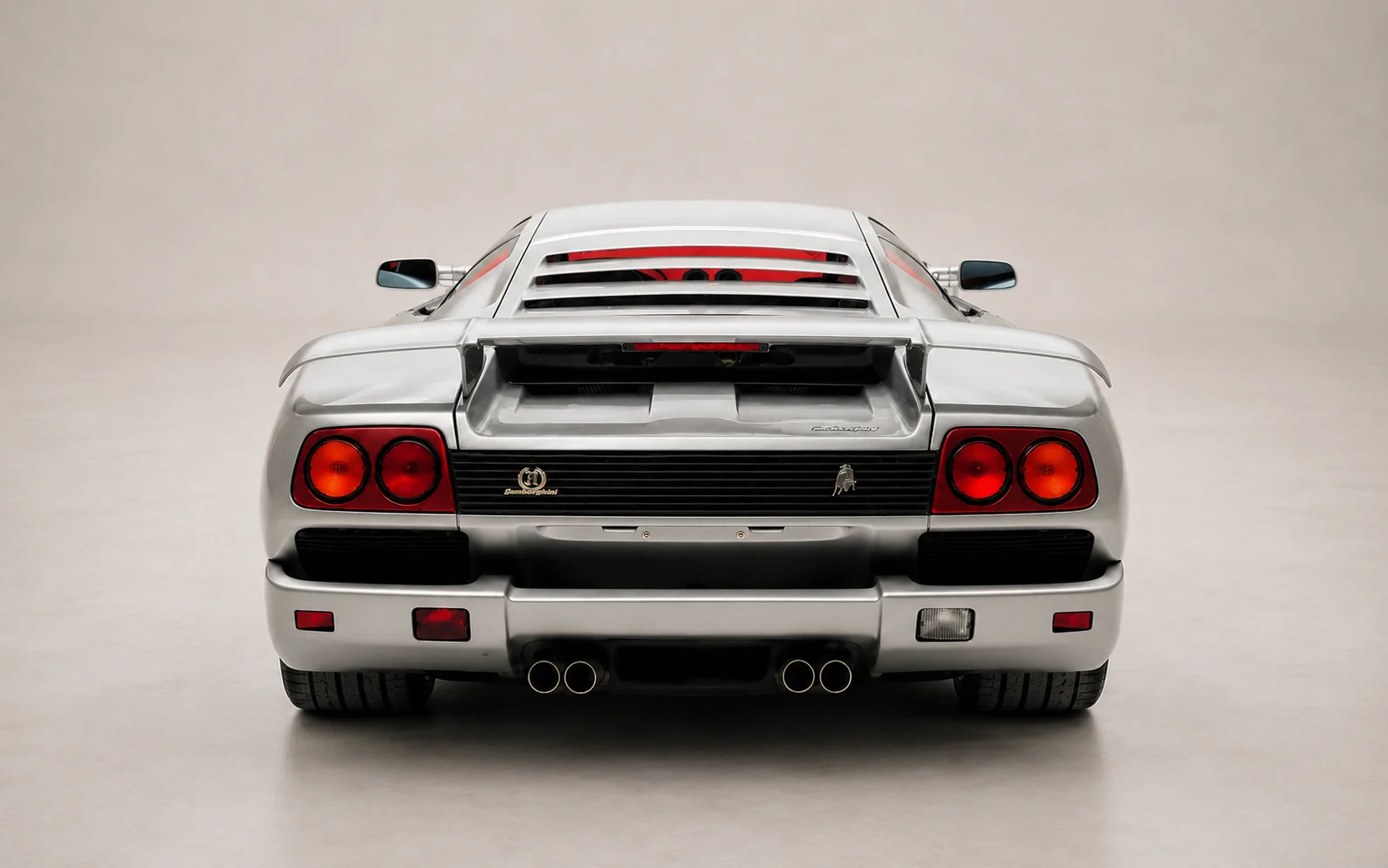
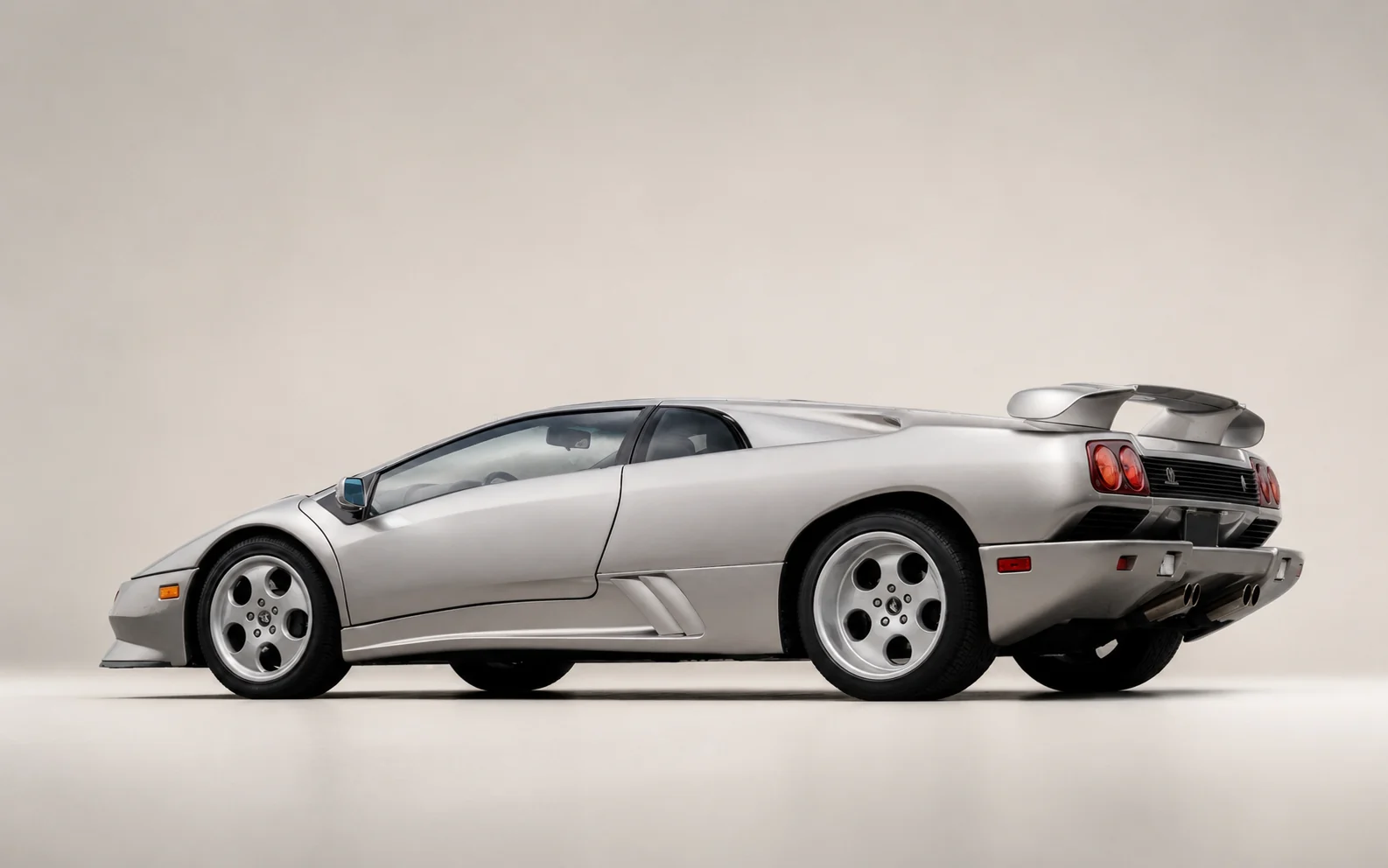
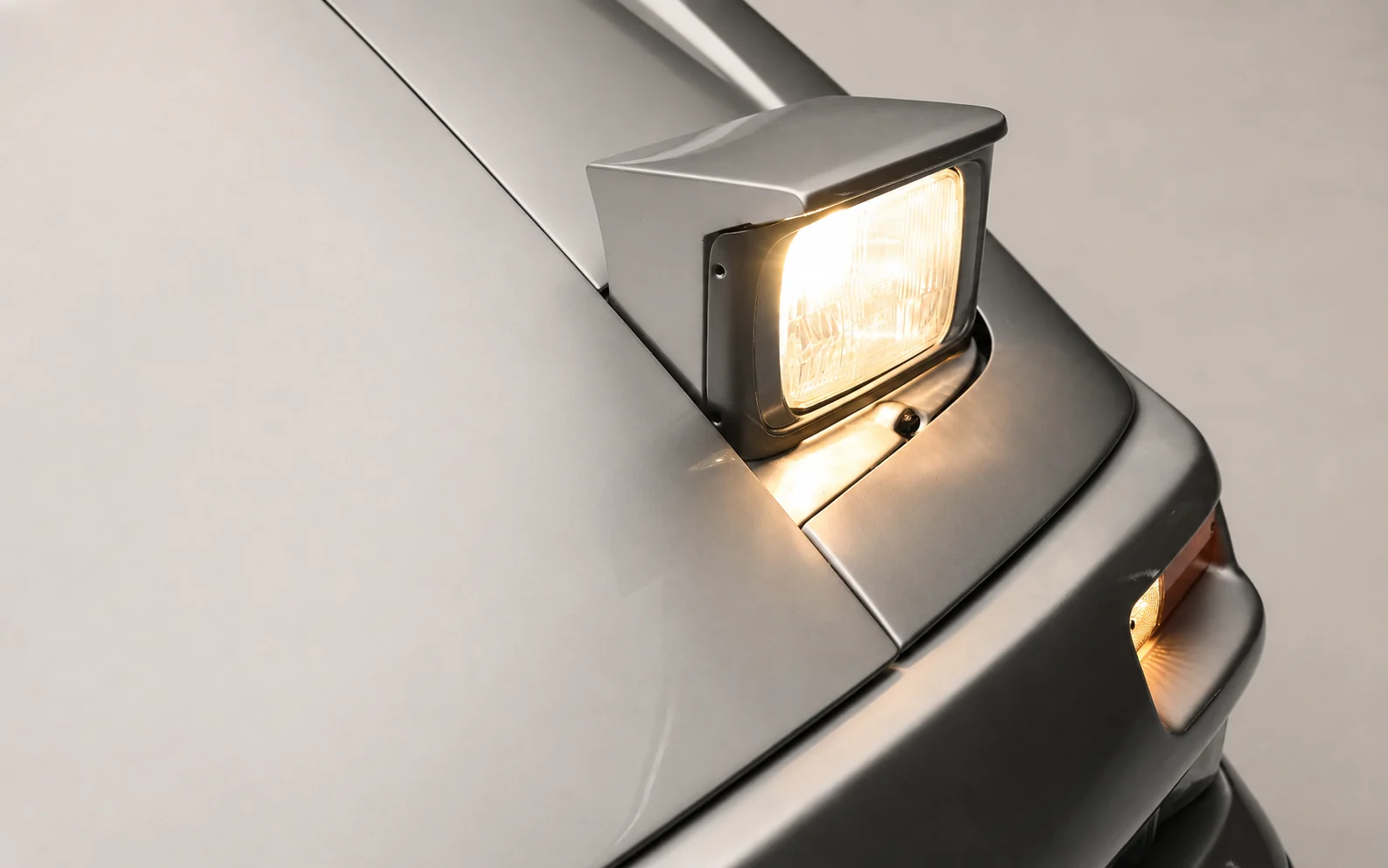
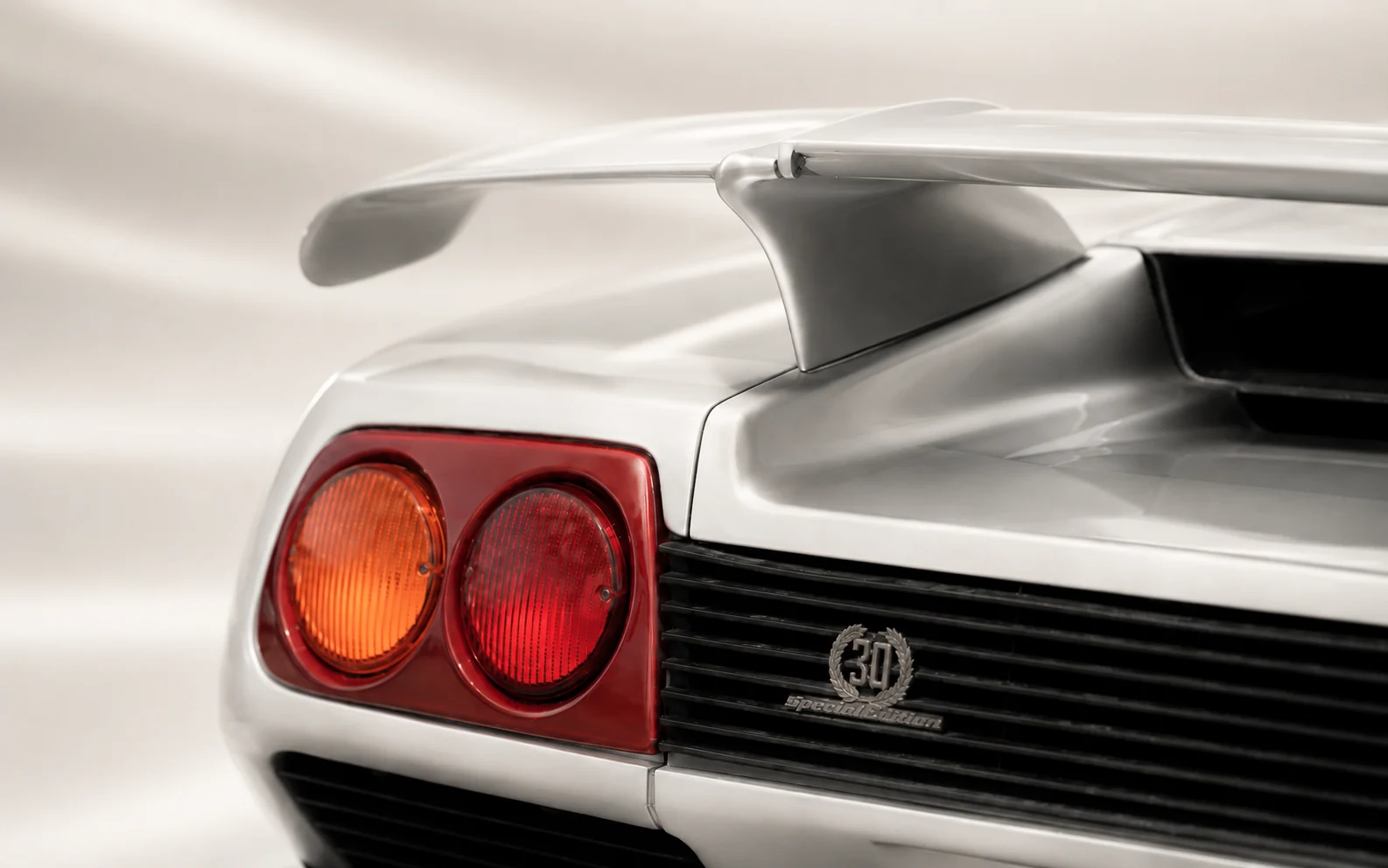
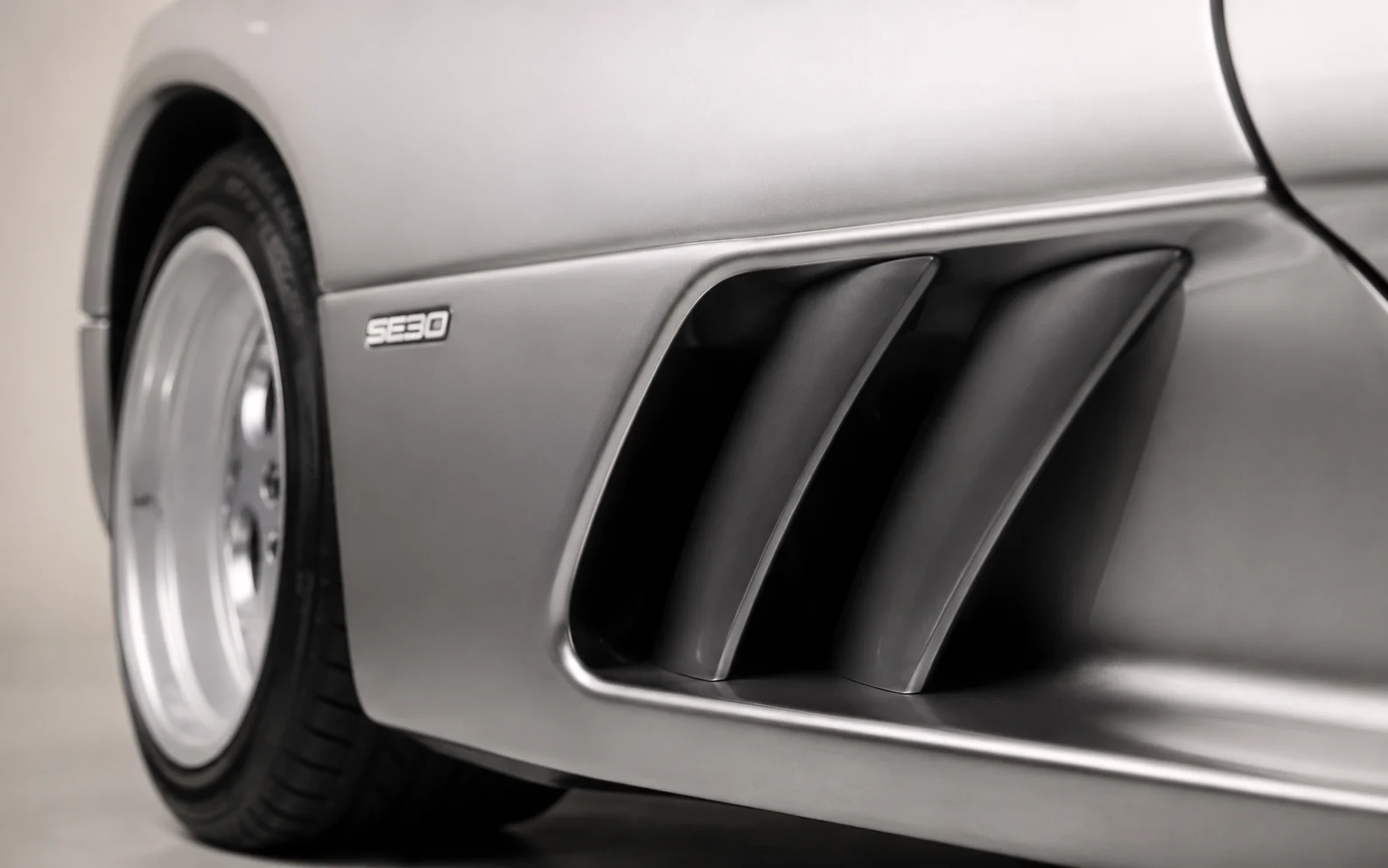
The SE30 is where some of the hardness came back. The front bumper was redrawn with the four rectangular lamps pushed out to the corners and slatted brake ducts set inboard of them. The scoops ahead of the rear wheels lost their black horizontal slats and gained two vertical ones, painted body colour. At the tail, the cooling grille between the lamps was opened up and the fog and reverse lights were moved down into the bumper.
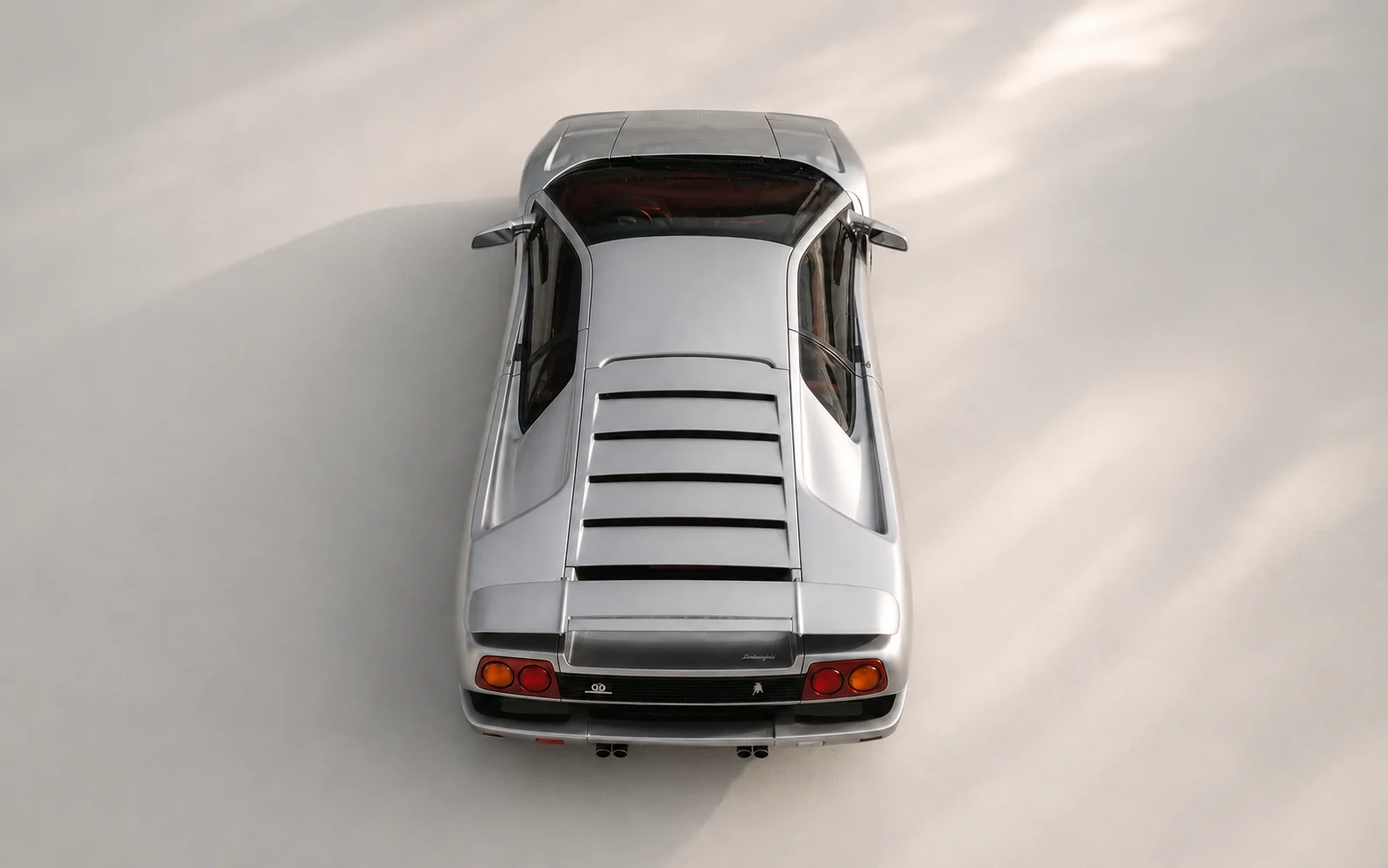
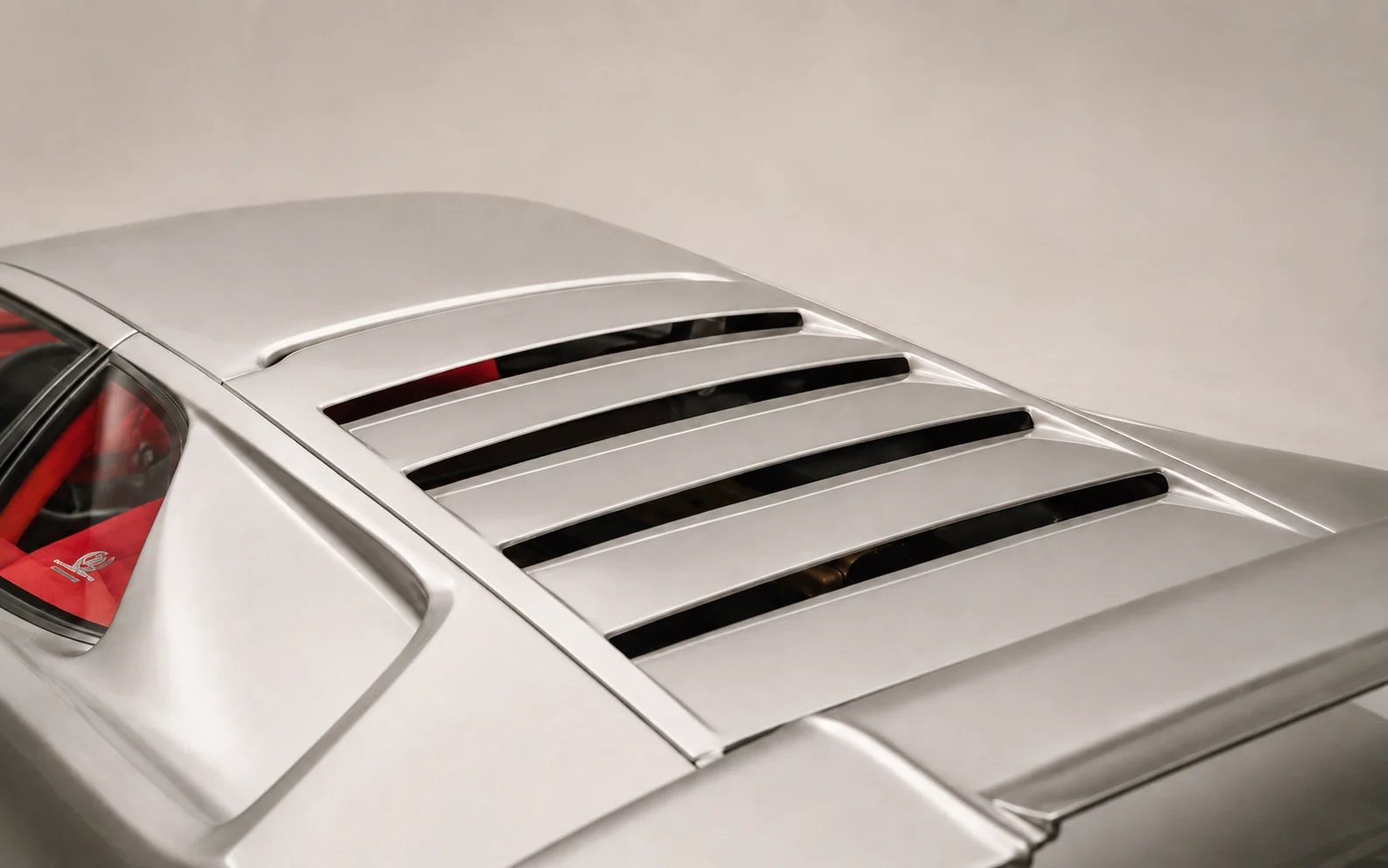
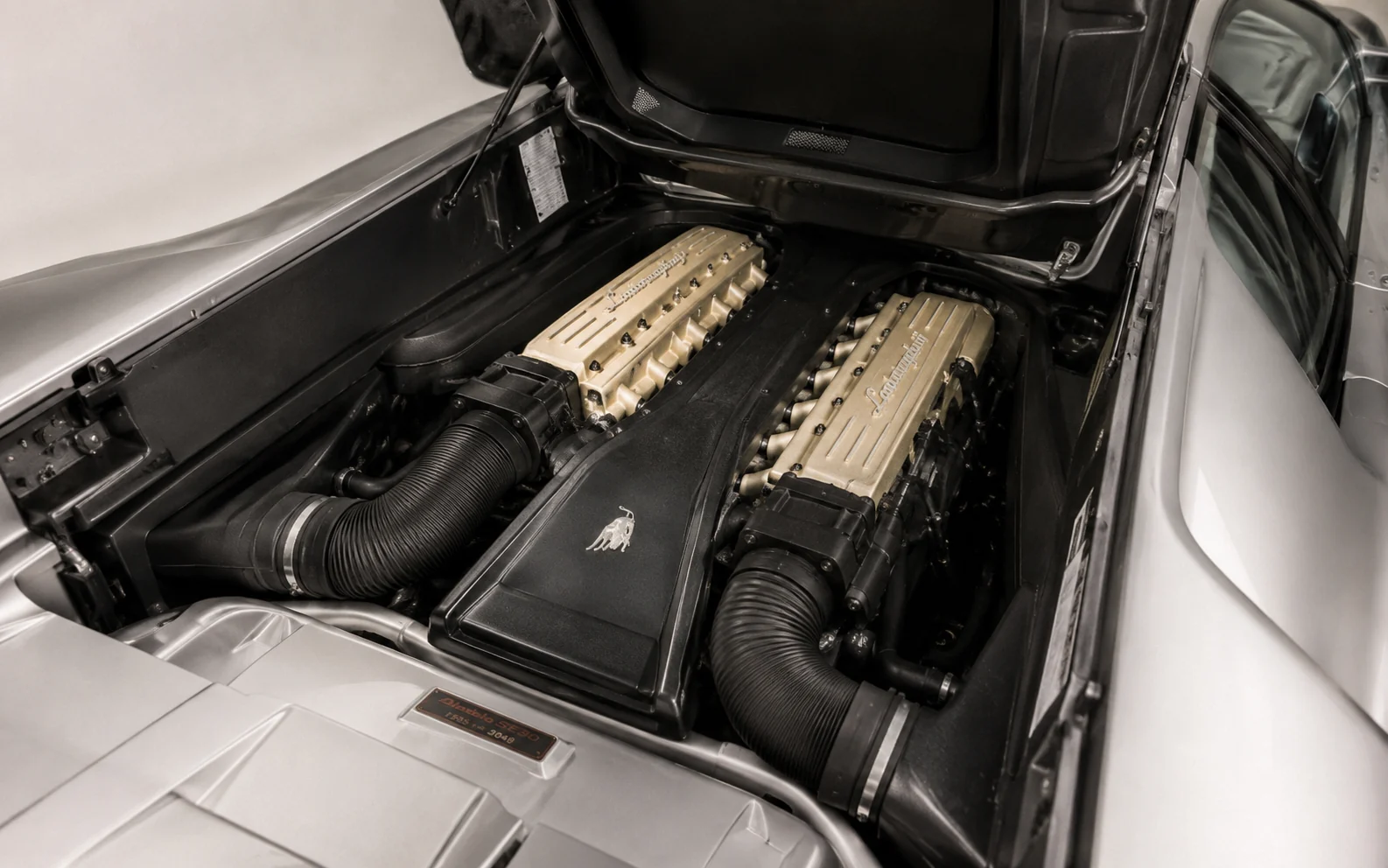
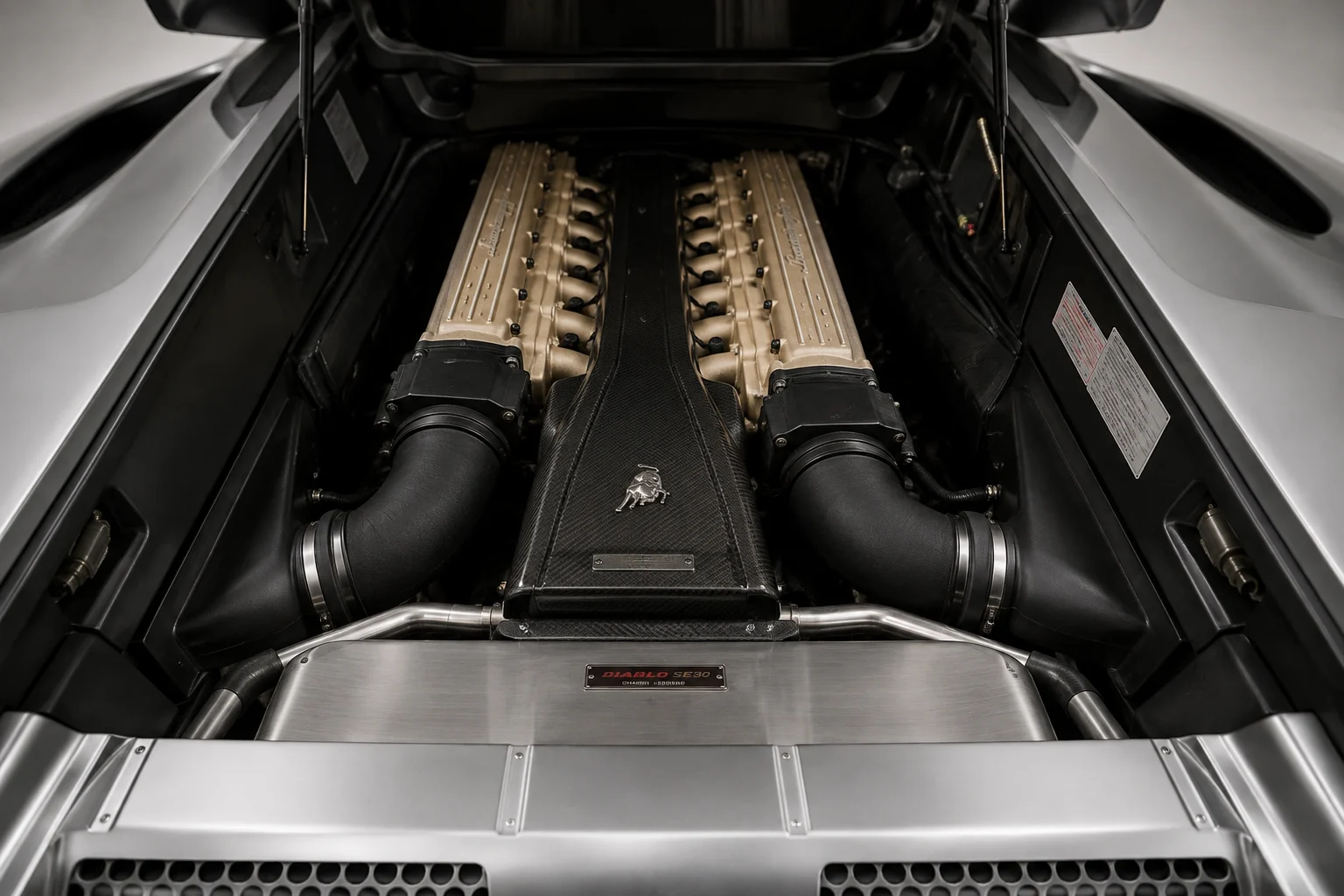
Behind the cockpit sits the piece that gives the car away at a glance: a carbon fibre engine cover louvred in the manner of the Miura. Bumpers, sills and front lid are carbon fibre too, which is where most of the missing weight went.
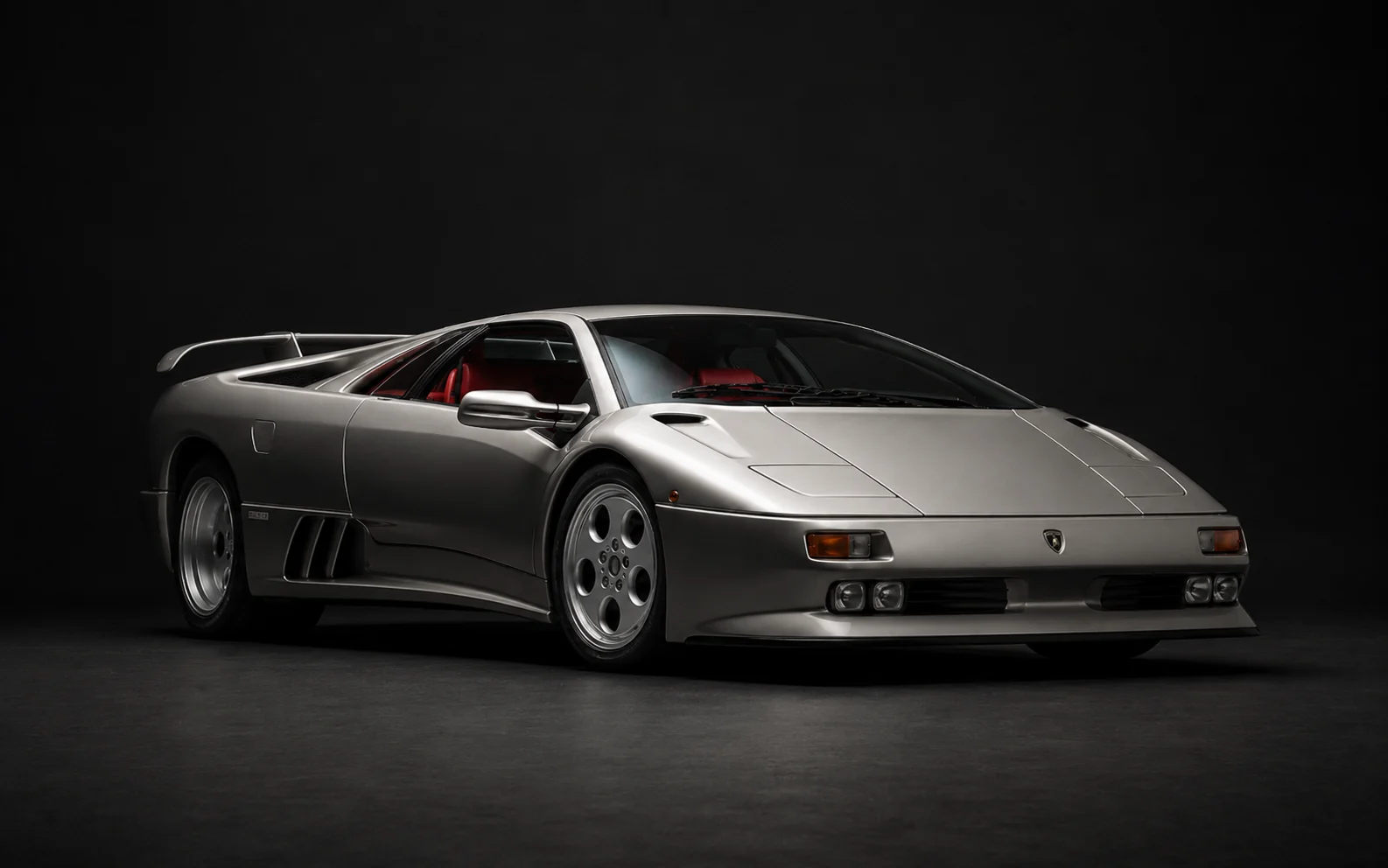
Nose panelThe raging bull came off the front lid and onto the bumper face.
Everything else on the car was new for 1993. The engine was not.
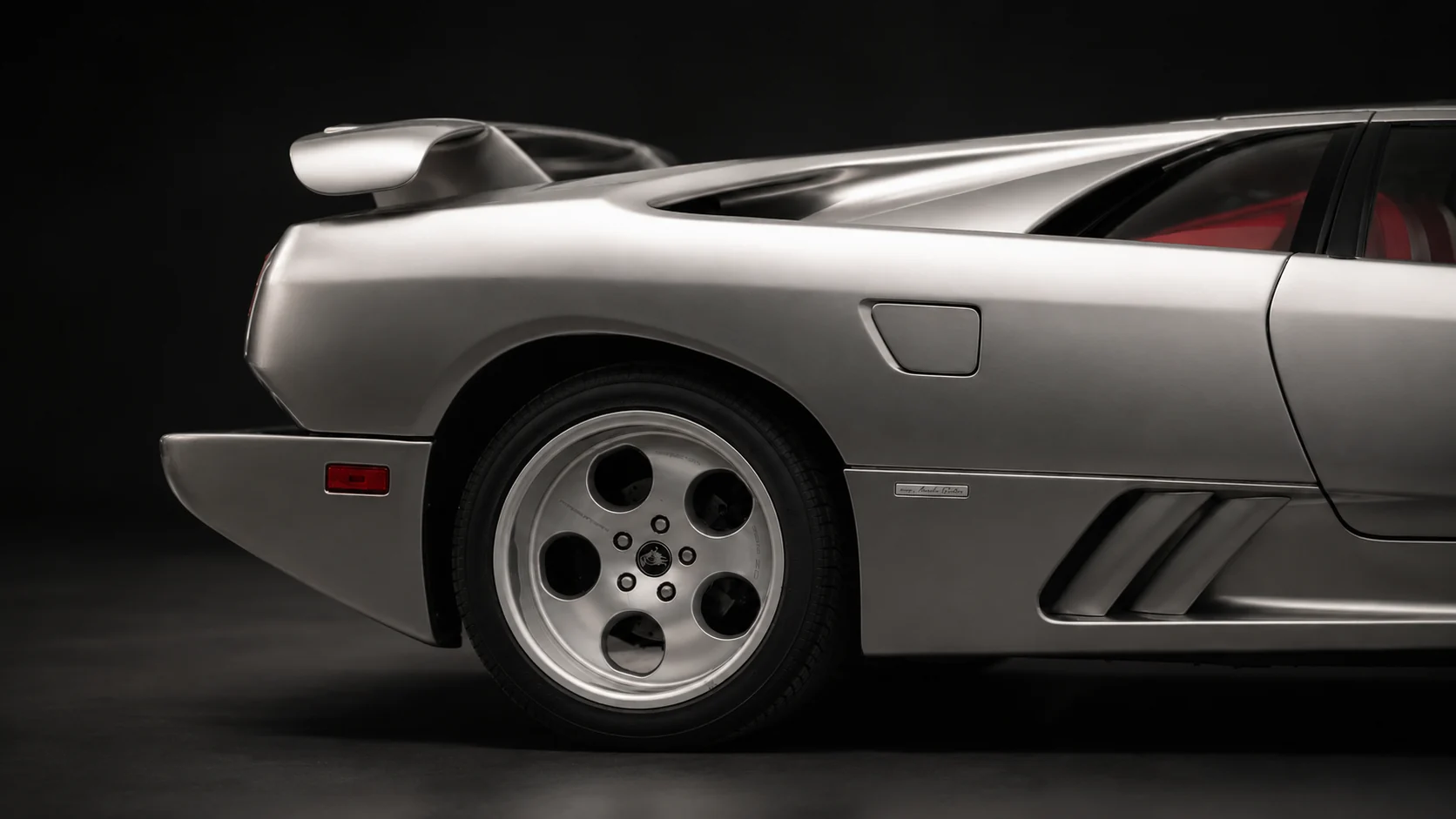
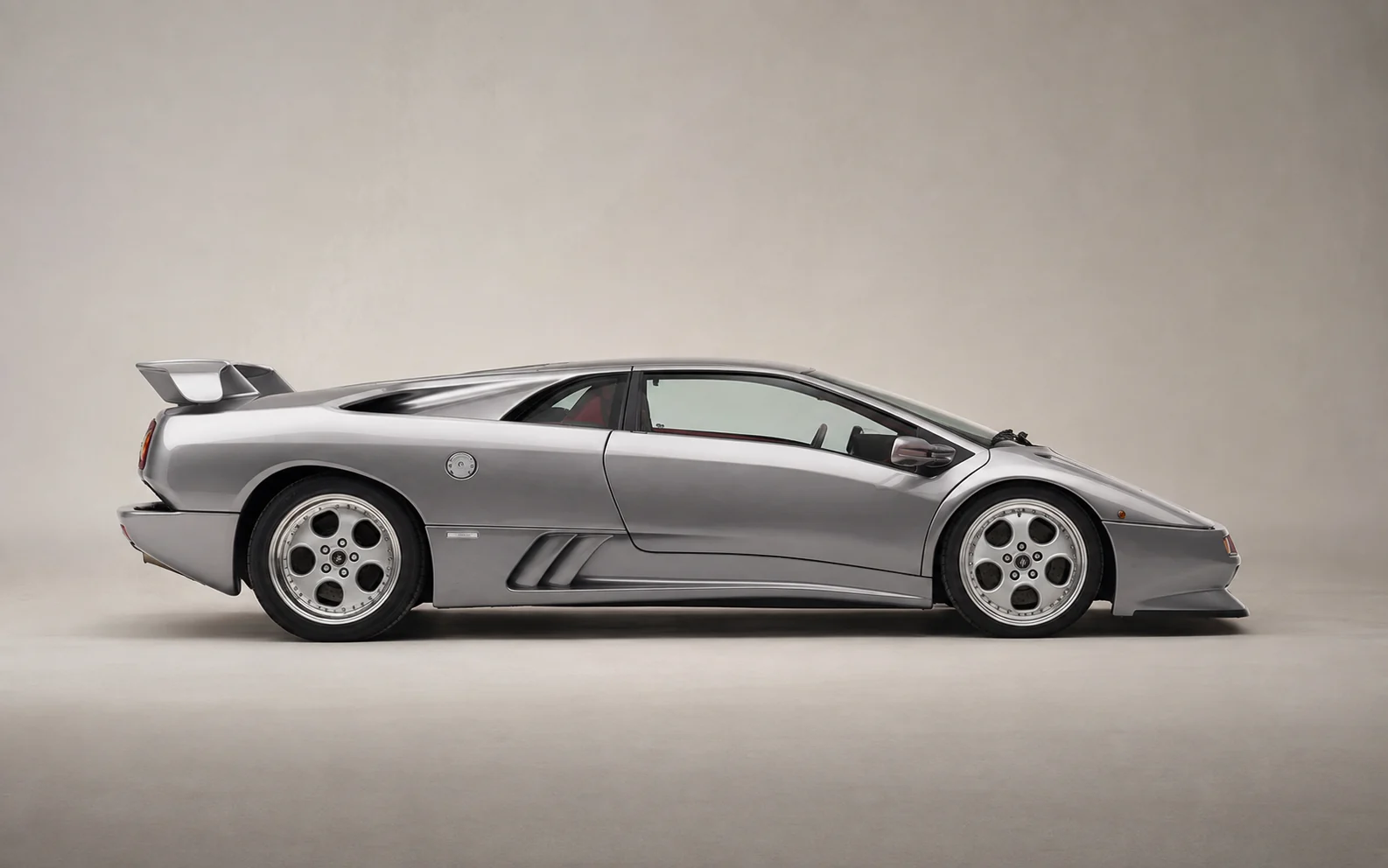
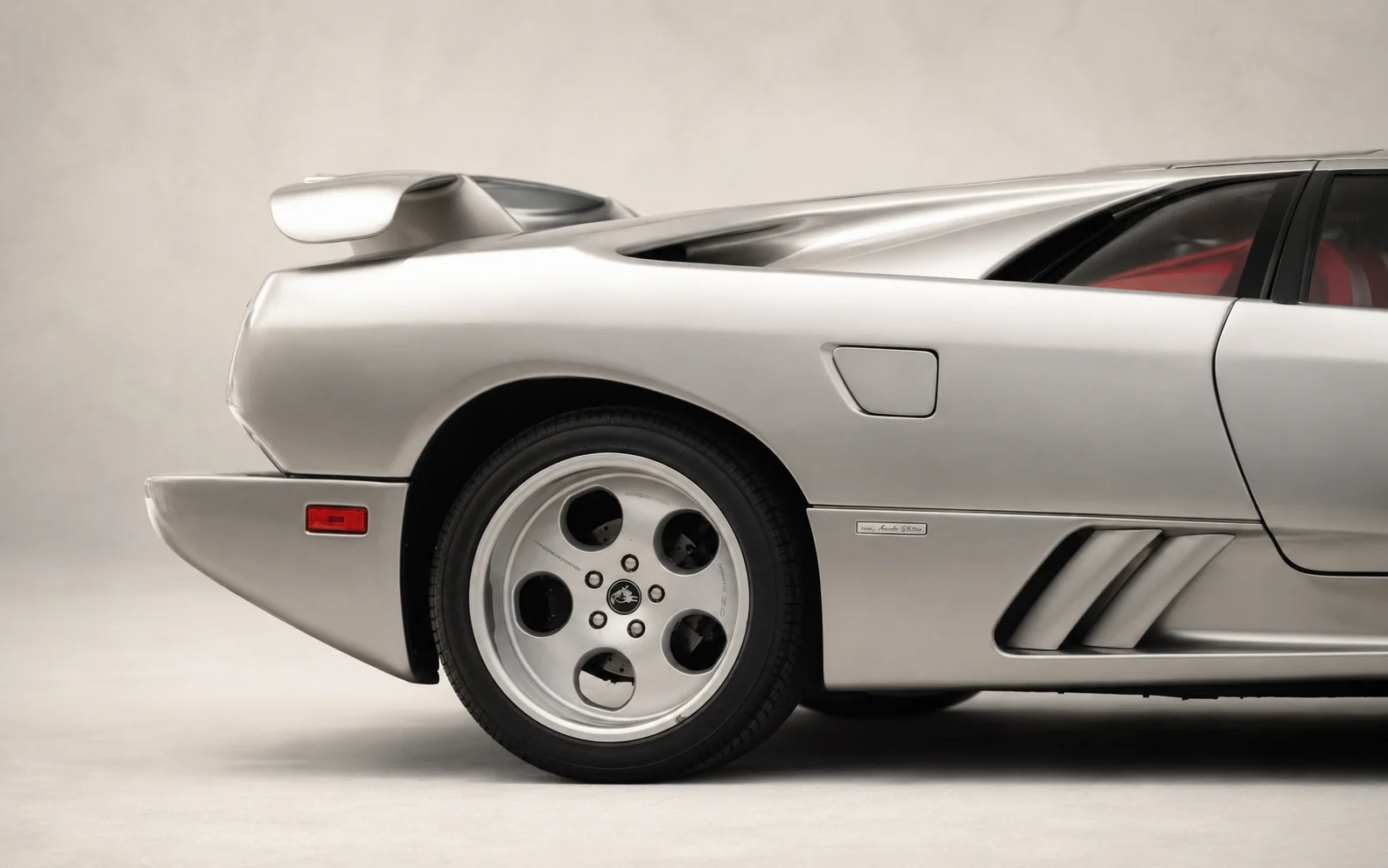
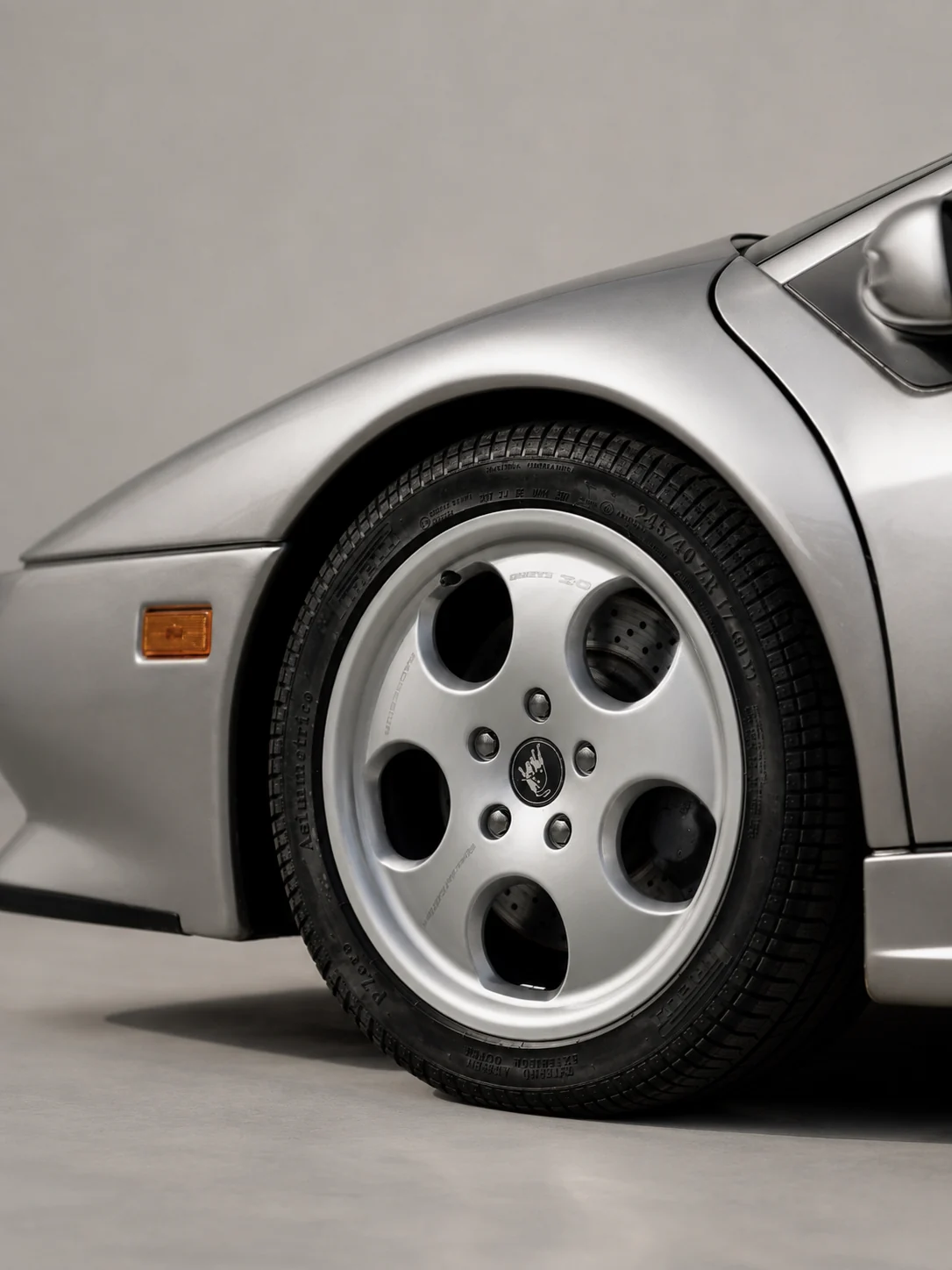
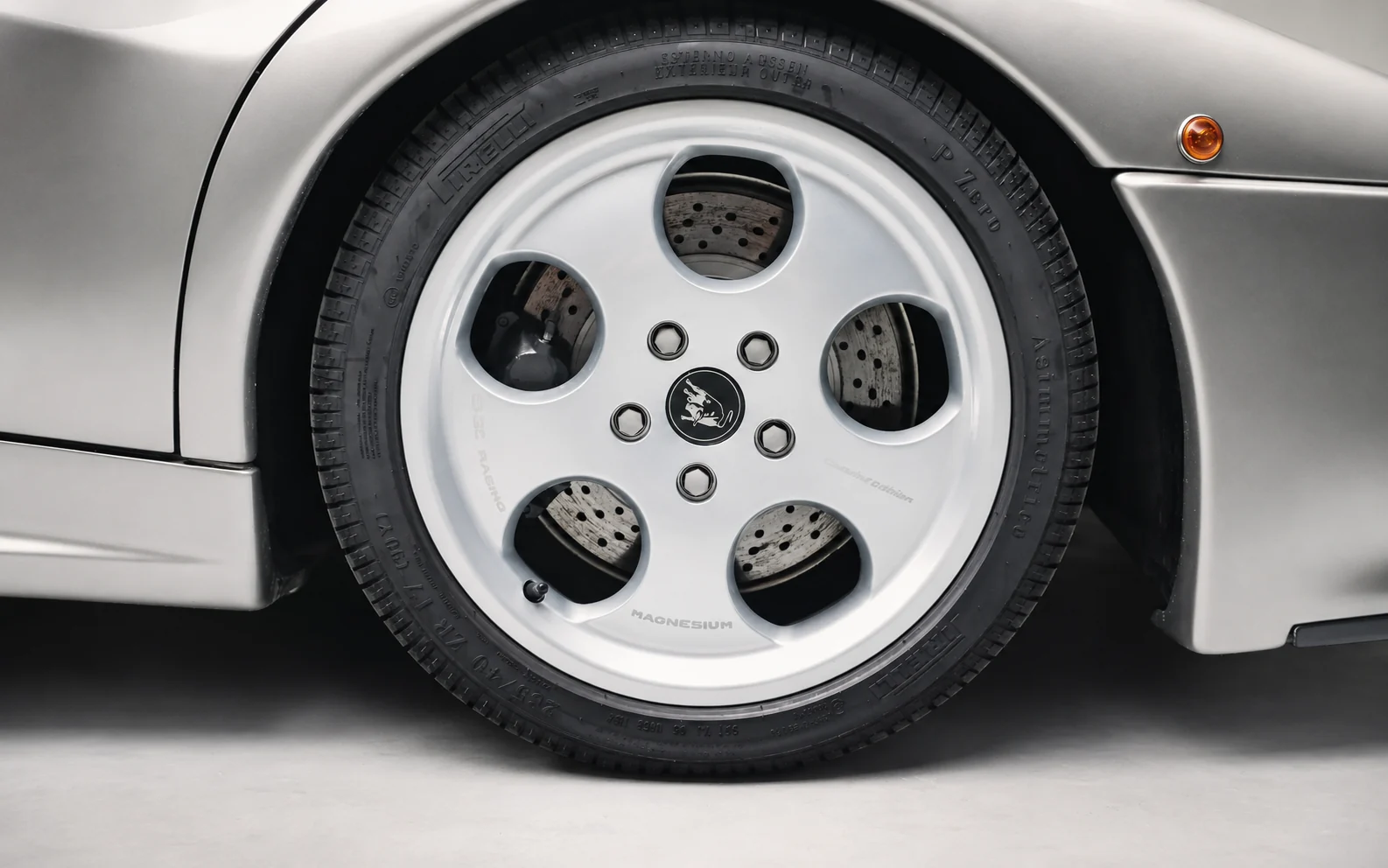
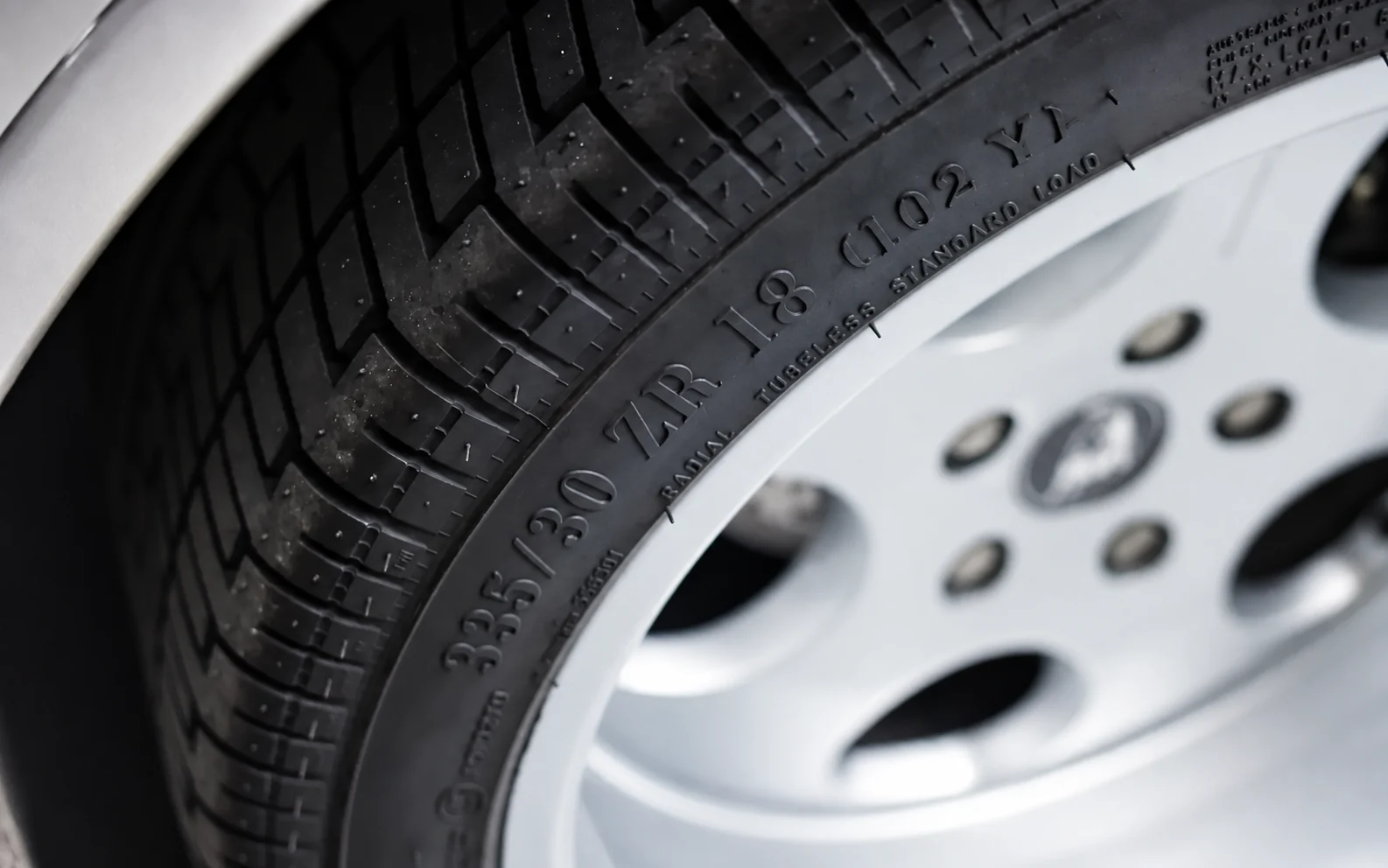
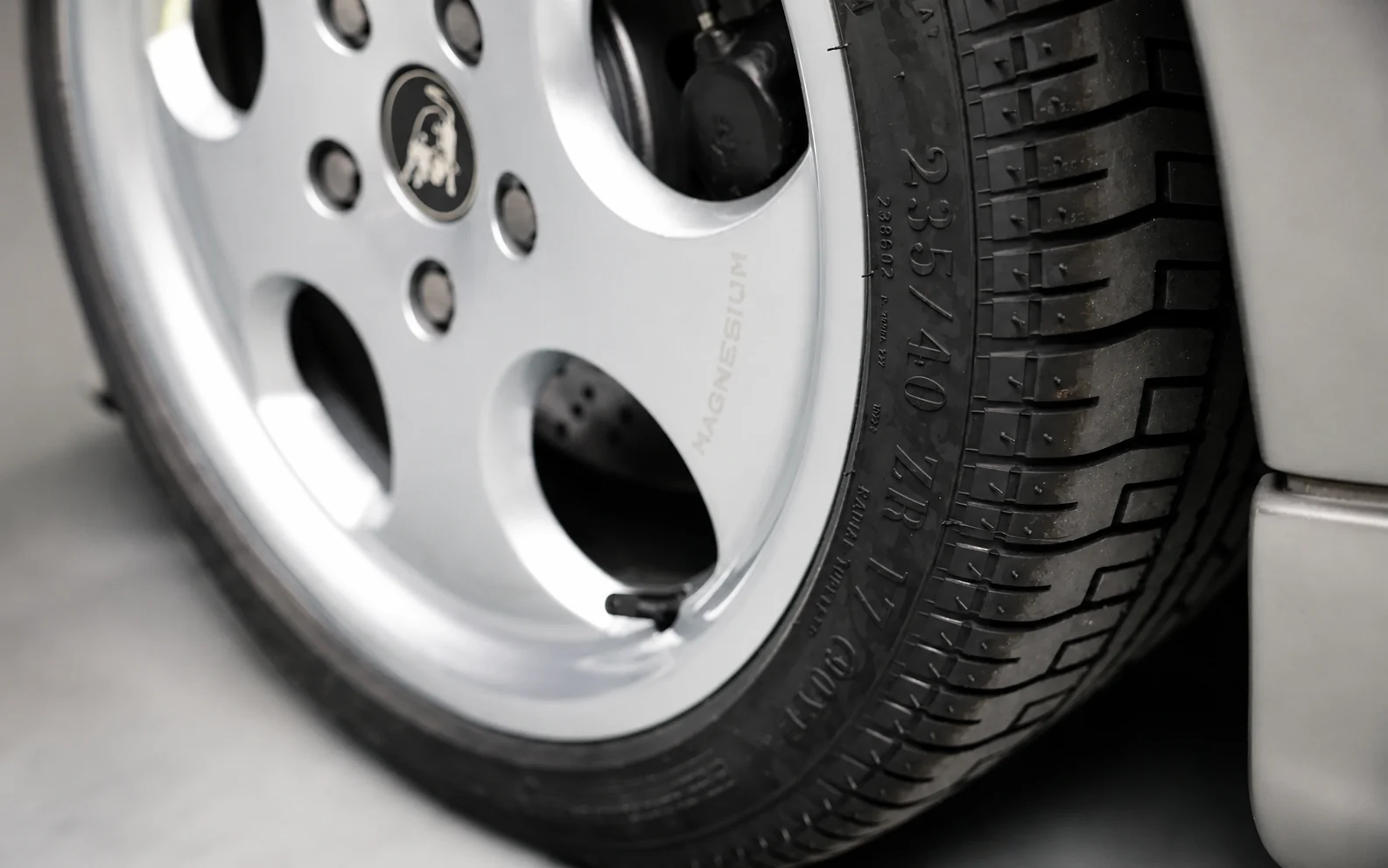
OZ magnesiumSingle-piece castings. The rears went to 18 inches, the fronts stayed at 17.
The Twelve
Sixty Degrees, and Very Little Else
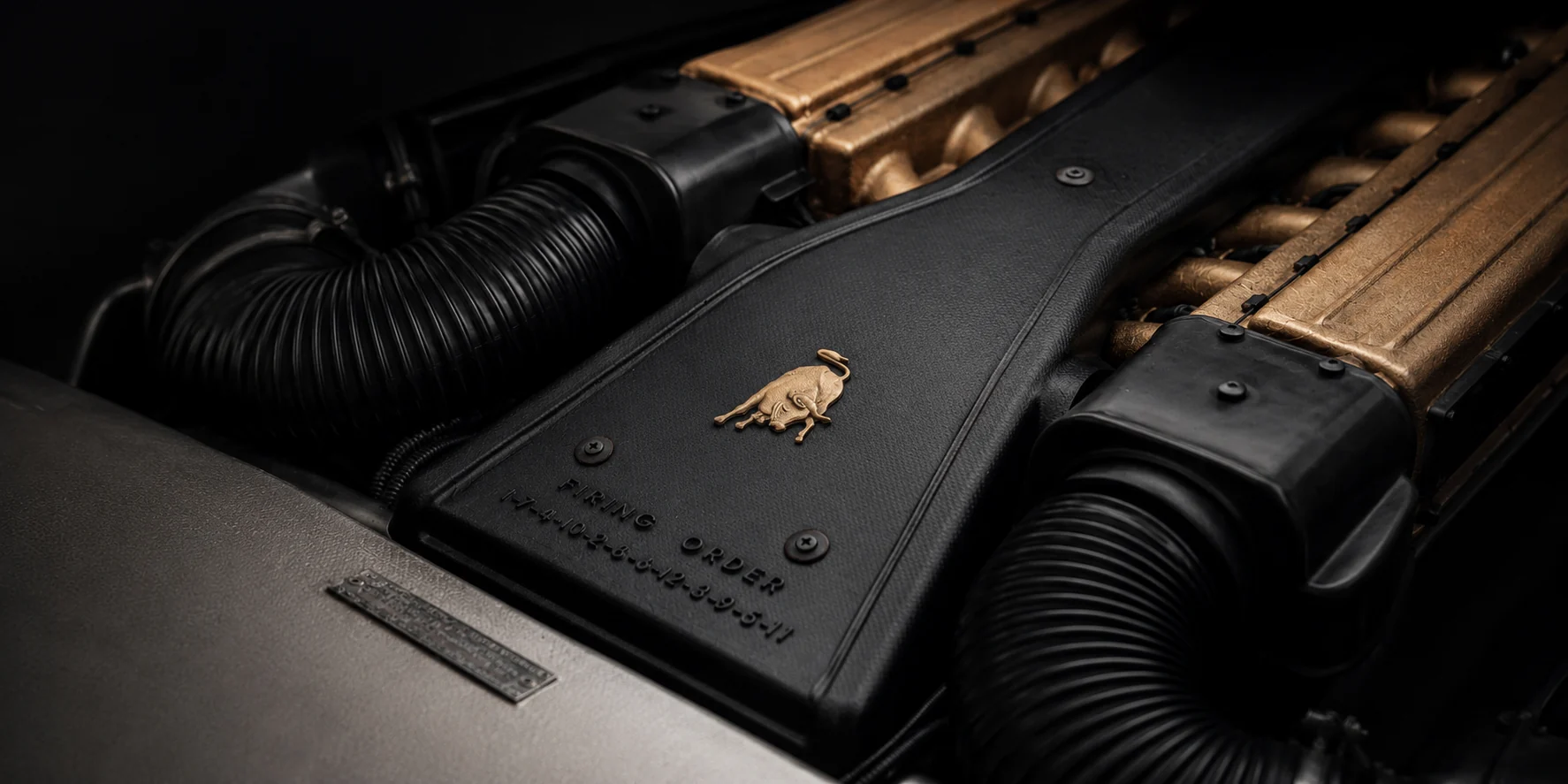
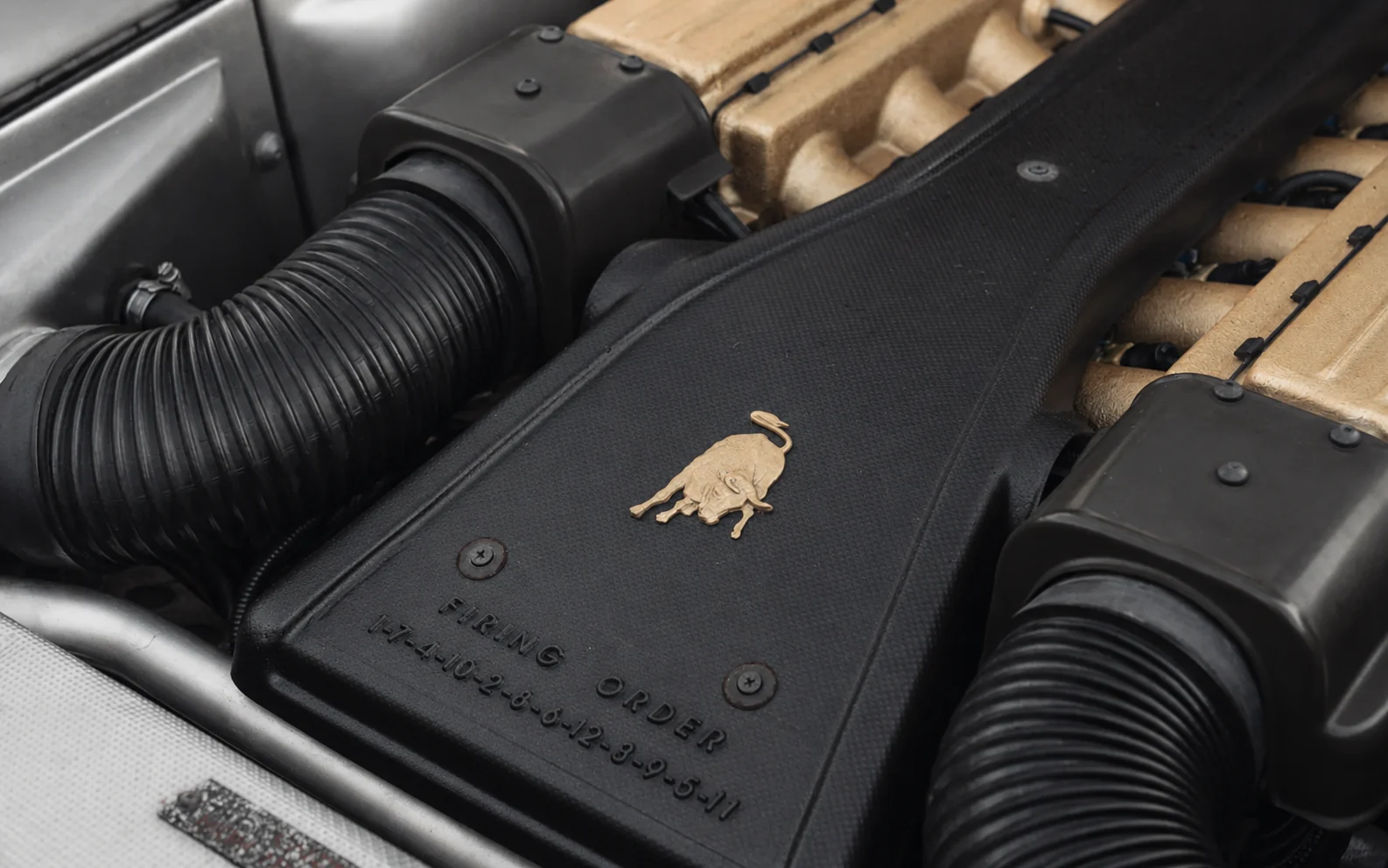
The V12 goes back to Bizzarrini's 1963 design for the 350 GT and by 1993 measured 5,707 cc, with four valves per cylinder, dry-sump lubrication and aluminium construction throughout. For the SE30 the cylinder heads and intake manifolds were recast in magnesium, the exhaust opened up and the LIE injection reprogrammed. Output went from 492 to 525 bhp at 428 lb ft.
Underneath sits the rear-drive Diablo platform: a square-tube steel spaceframe with carbon fibre inserts around the cockpit, double wishbones at both ends, single dampers at the front and two per side at the rear. The gearbox is the five-speed manual with ratios revised for the model. Brembo discs, cross-drilled as well as ventilated.
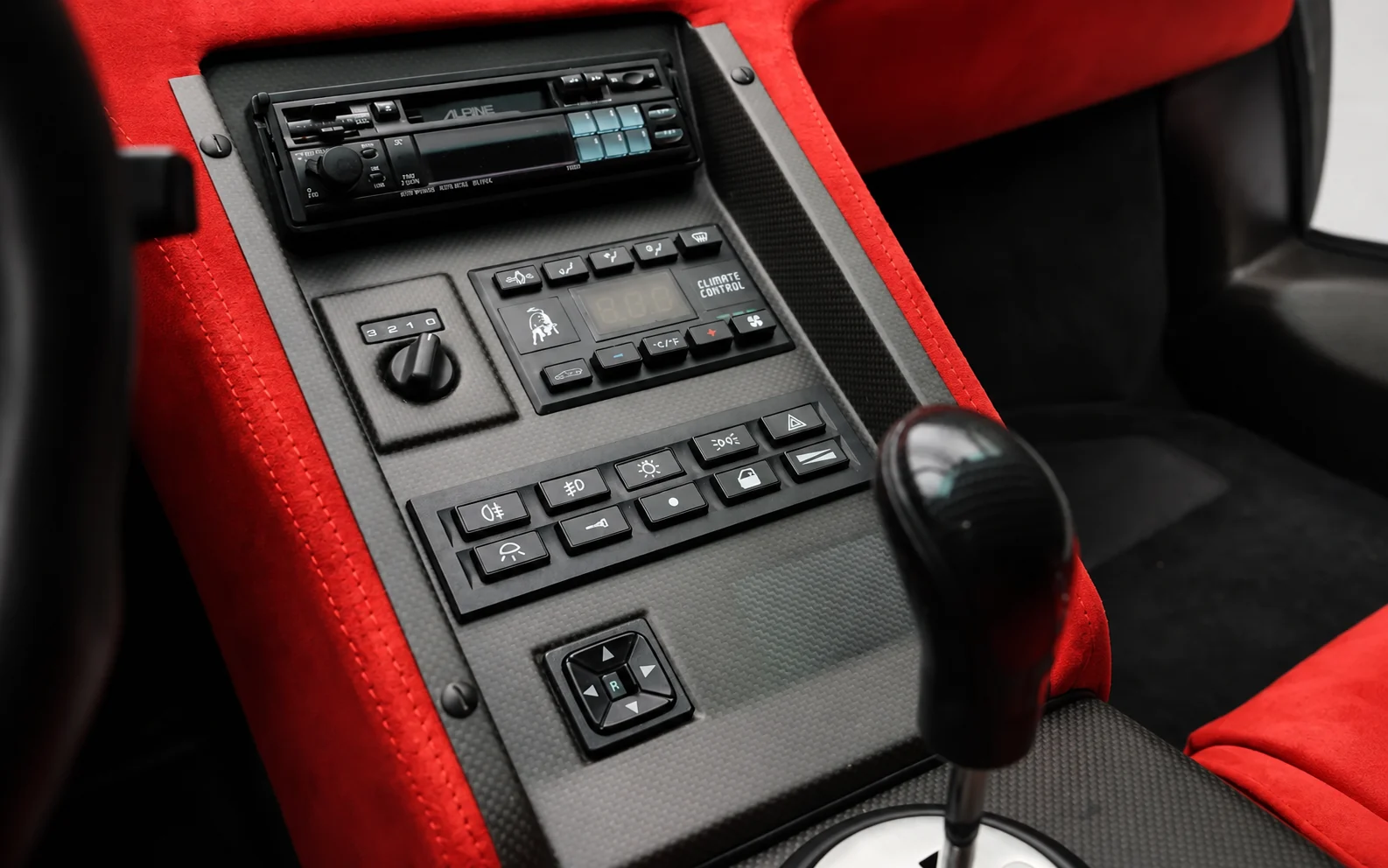
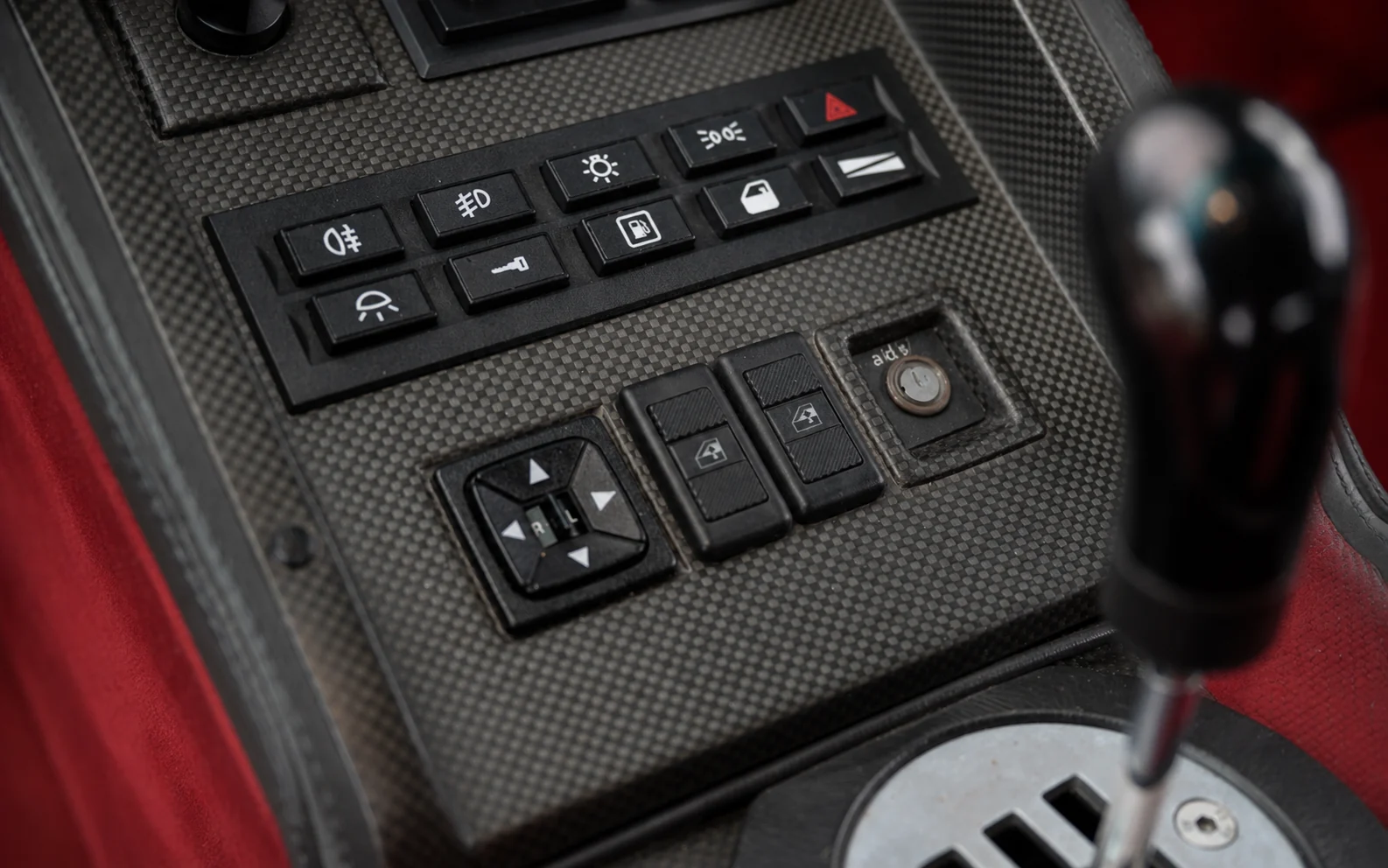
What is not there defines the car as much as what is. No power steering. No anti-lock brakes. No electronic damping. A switch on the console adjusts anti-roll bar stiffness front to rear on the move, and a switchable traction control is the only electronic assistance fitted.
Four seconds to sixty. 207 mph flat out, five miles an hour more than the car it was based on.
Sources differ on peak power between 518 and 525 bhp and on peak revs between 7,000 and 7,200 rpm. Figures listed as quoted by the factory.
Inside, the anniversary car was trimmed in blue suede. This one was not.
Suede, Carbon, and a Badge from 1963
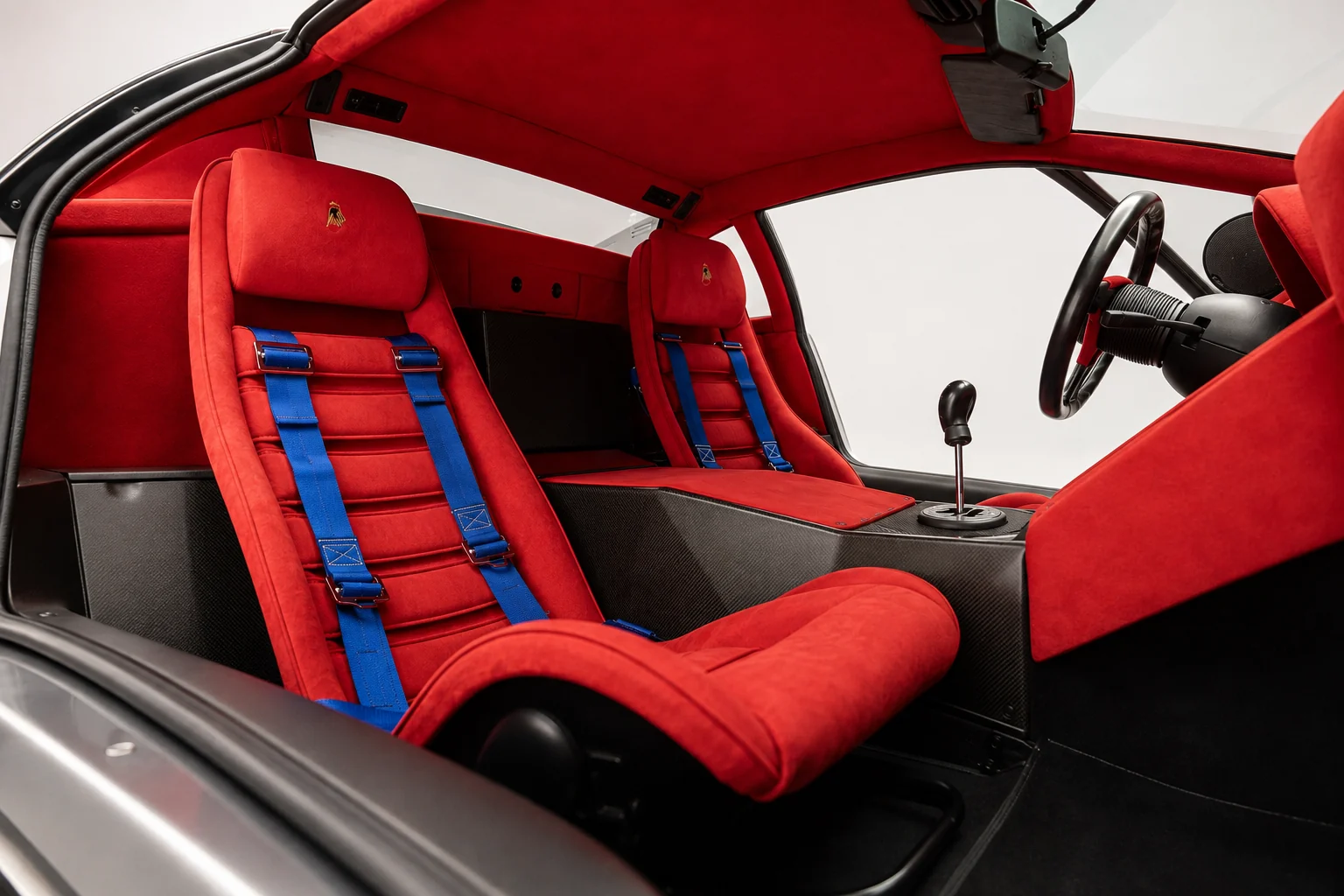
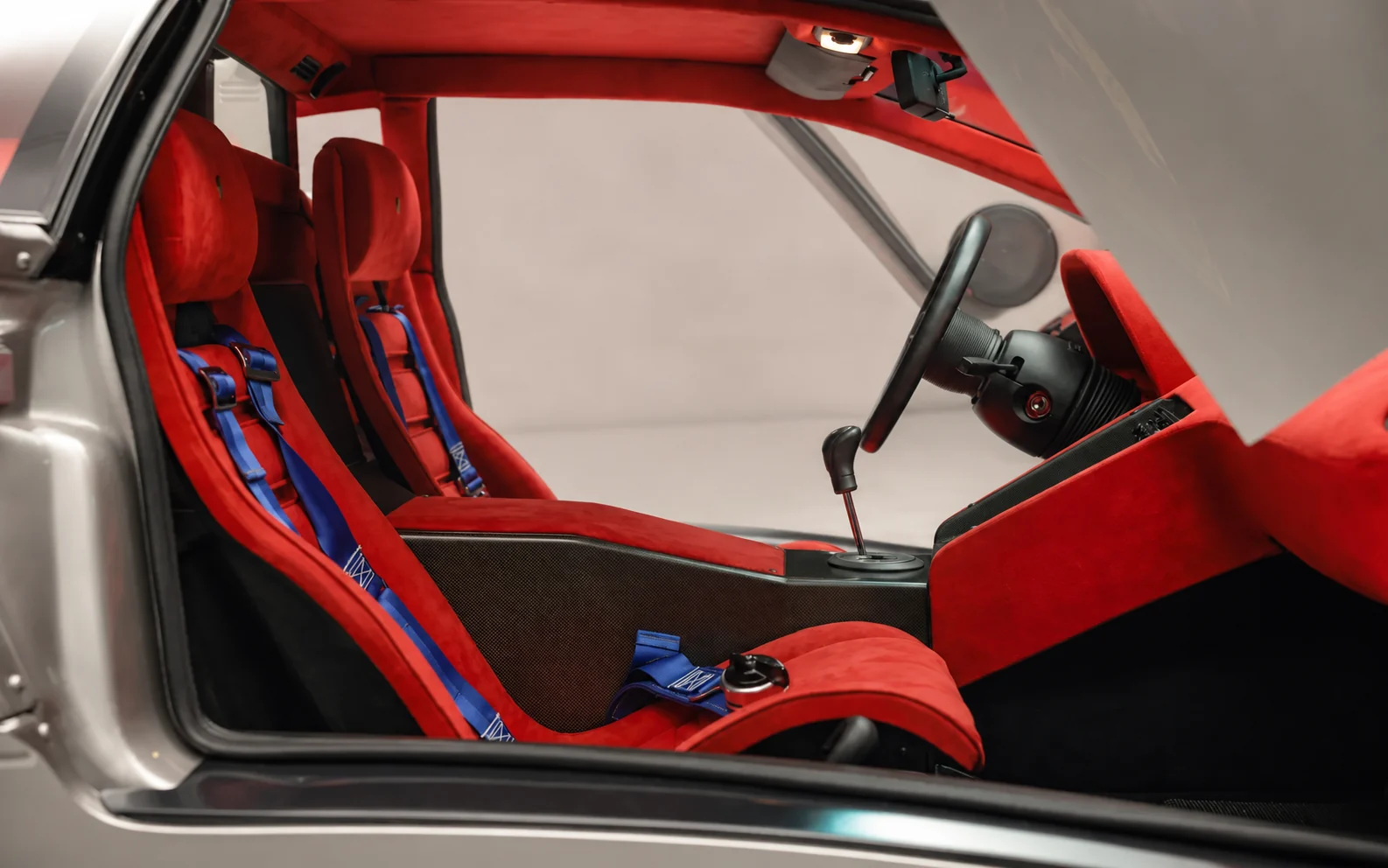
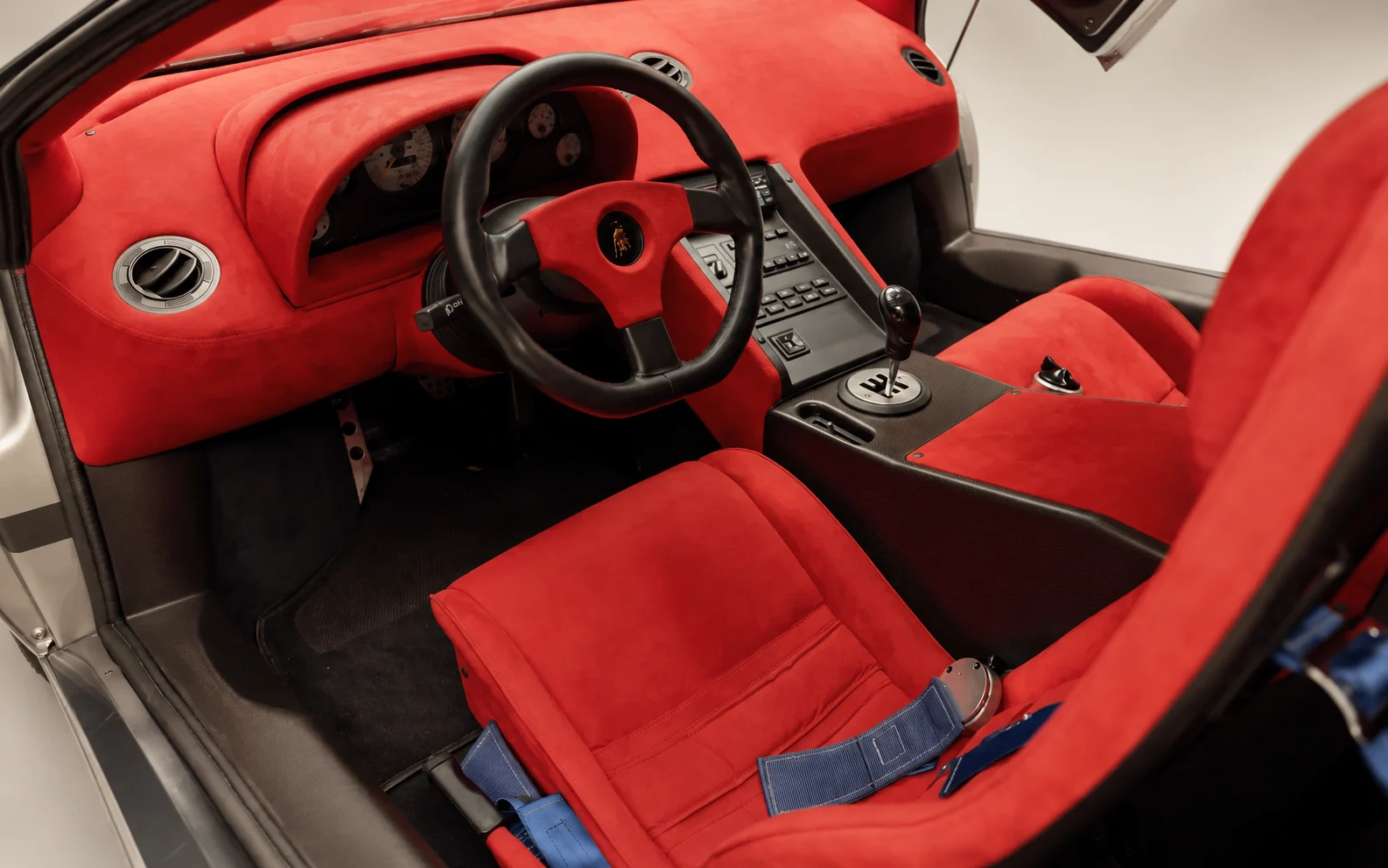
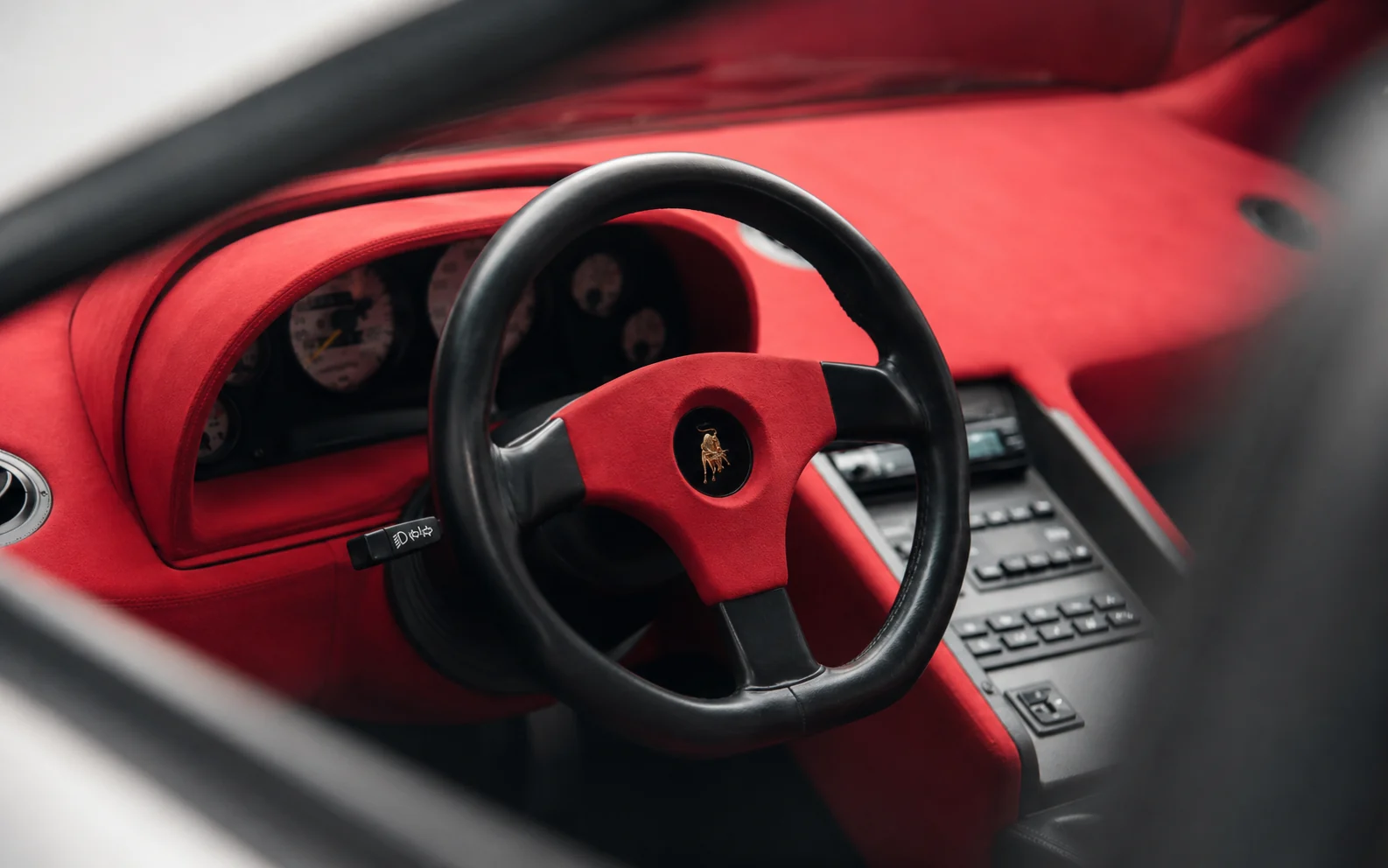
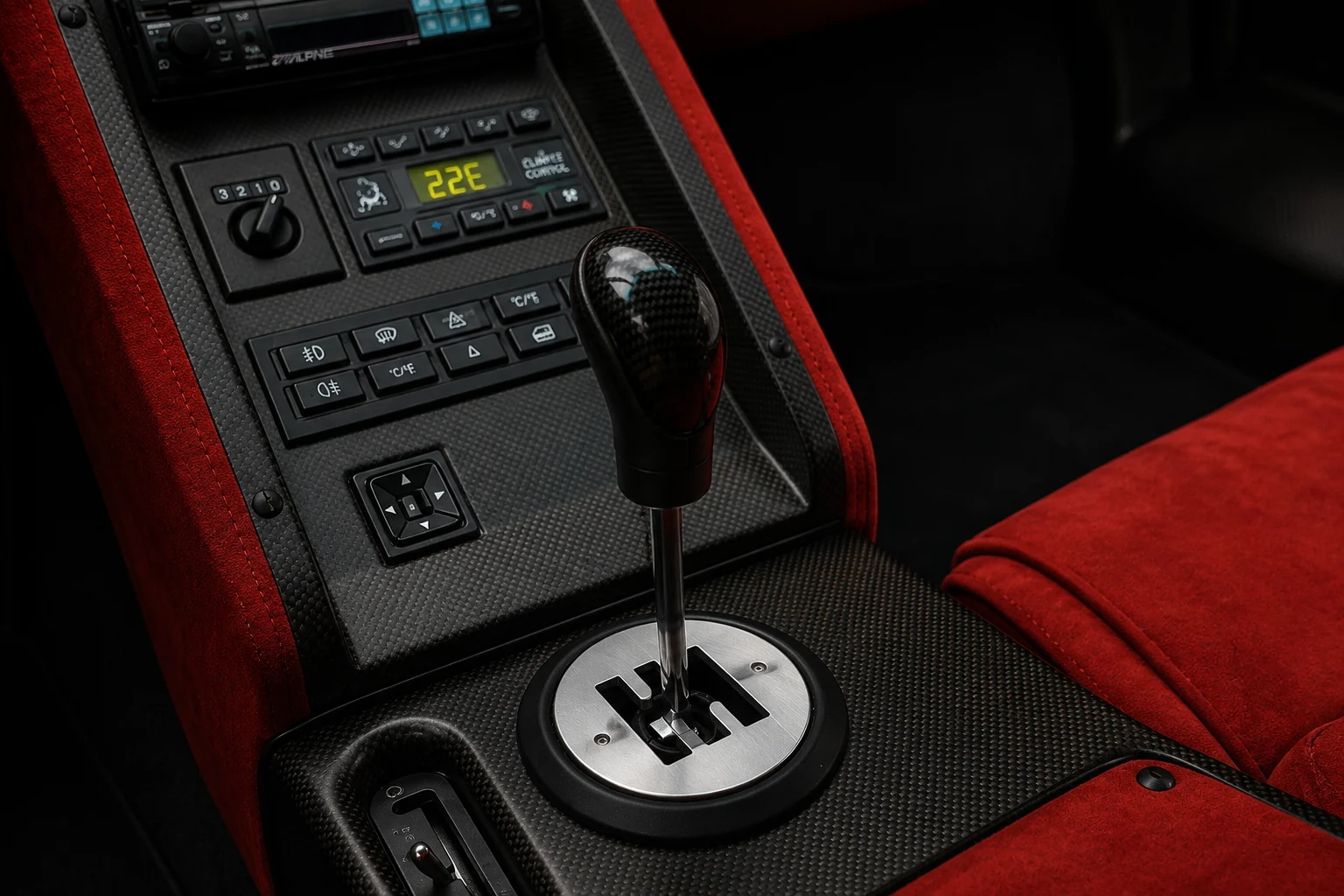
Suede Alcantara covers every surface that would normally have been leather: dashboard, seats, headliner, pillars, visors, rear bulkhead, and the centre of the flat-bottomed wheel. On this car, all of it is red.
The seats are single-piece carbon fibre buckets, badged into the headrests, with four-point harness mounts standard. Door panels and transmission tunnel mix bare carbon weave with Alcantara. A rotating knob in the upper door band works the small opening corner windows, the only part of the side glass that moves.
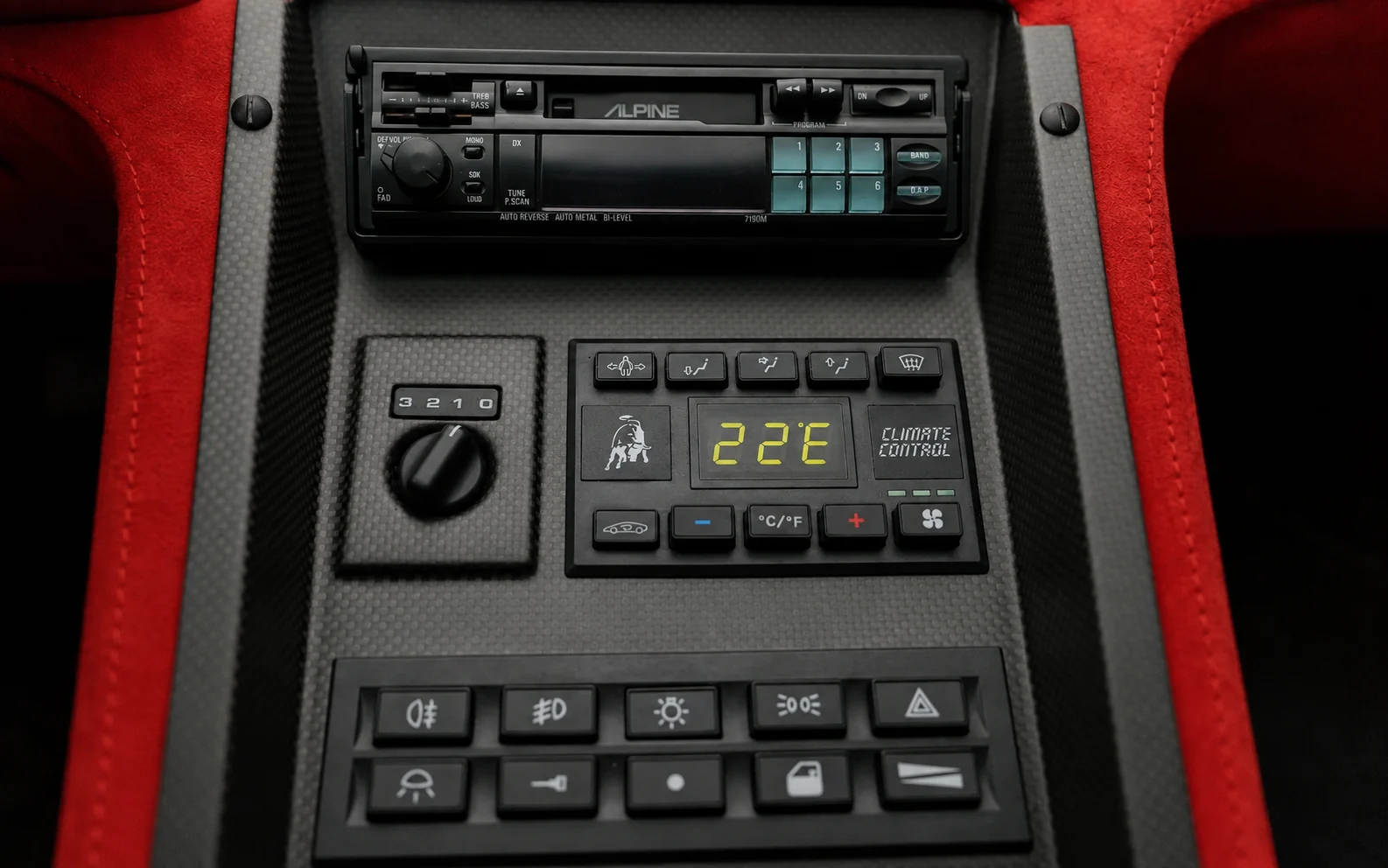
A switch on the console arms the fire suppression system plumbed into the engine bay. Air conditioning and audio are absent by design, though both could be ordered back, along with leather, at no cost to the buyer who wanted them. Few did.
At the centre of the small three-spoke wheel is a 350 GT horn badge, drawn from a cache of original parts dating to 1963. It is the same emblem Ferruccio Lamborghini fitted to the first car his company built.
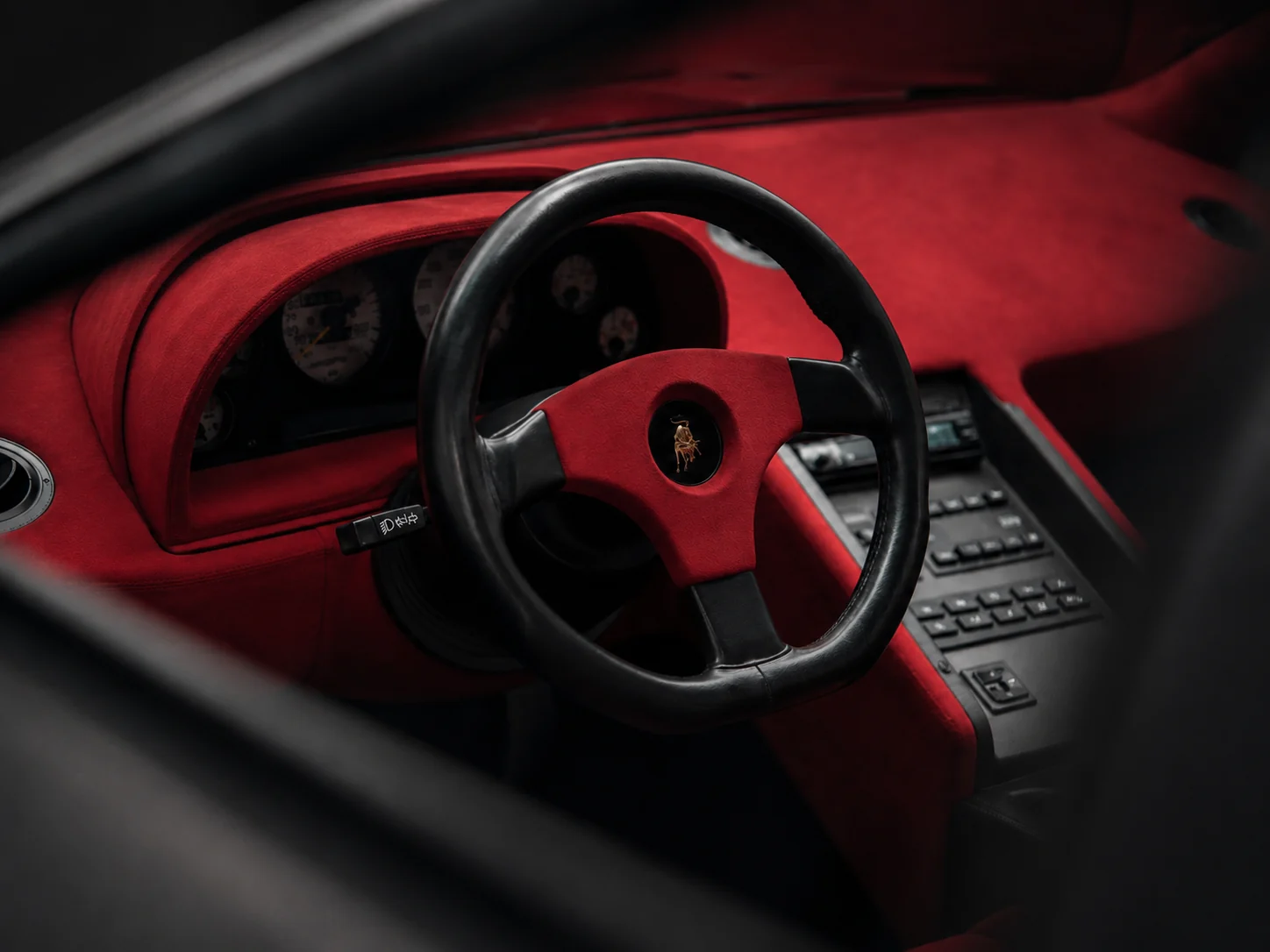
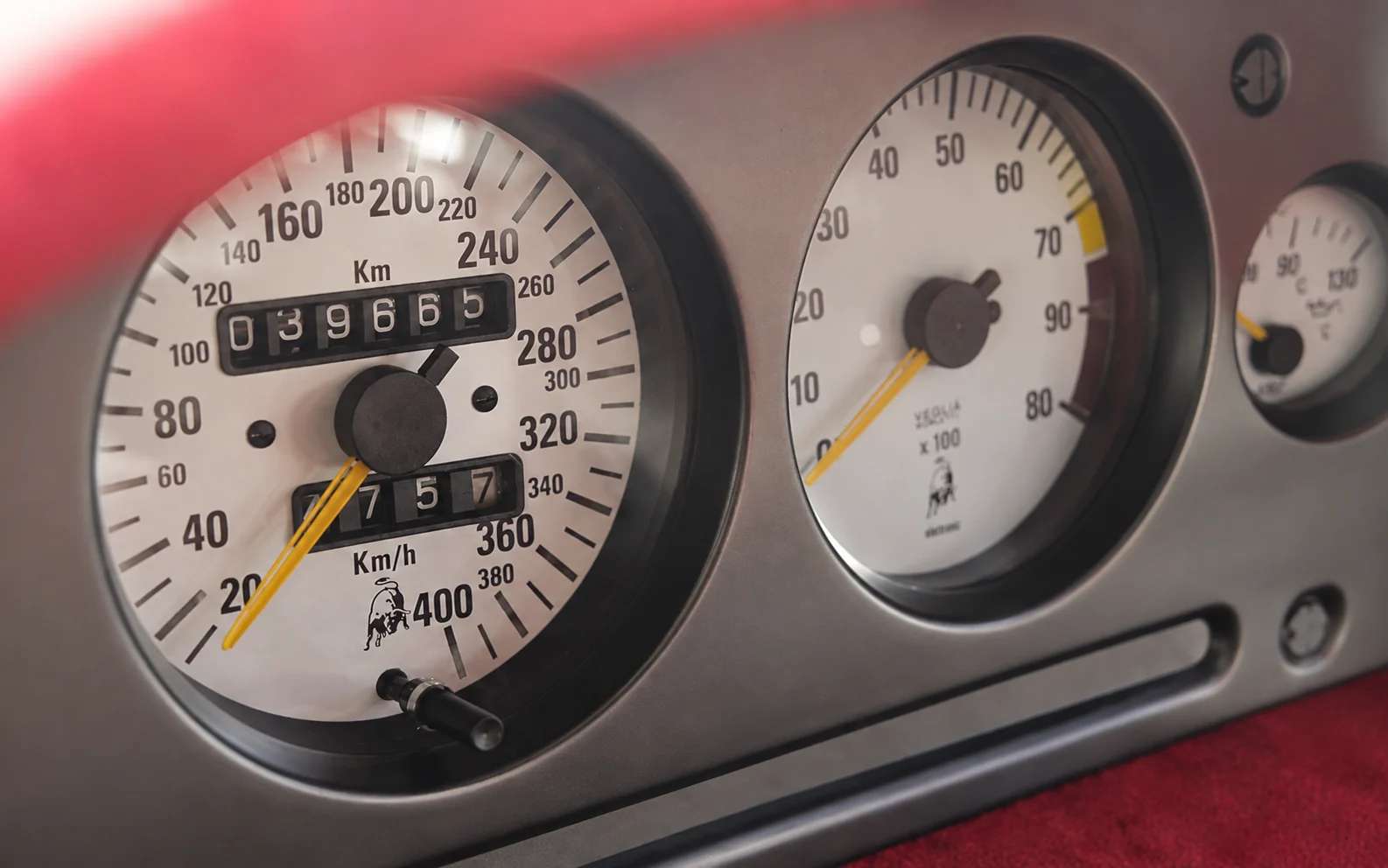
White dialsThe anniversary marking. Every other Diablo of the period read black.
From here, one car only.
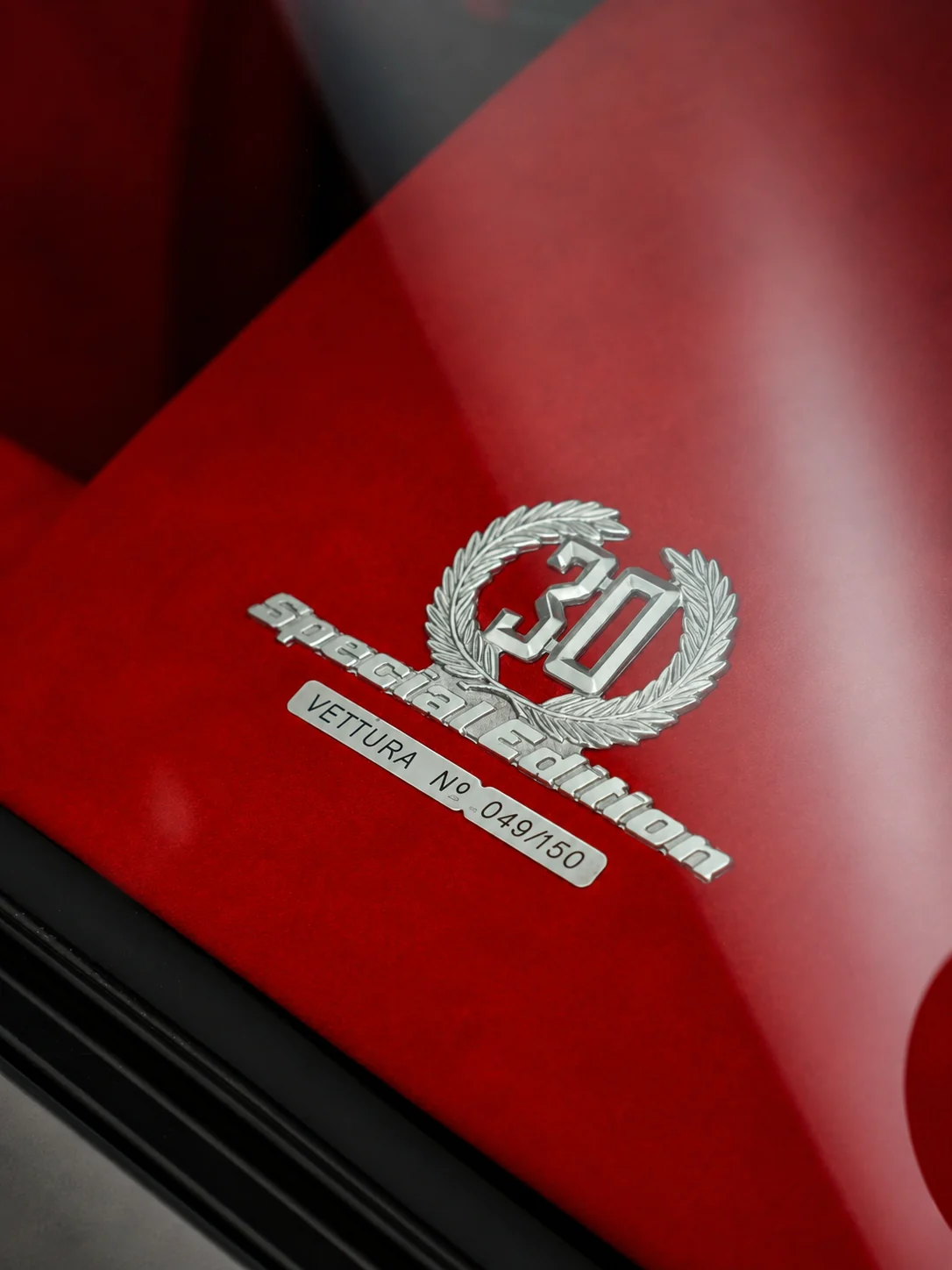
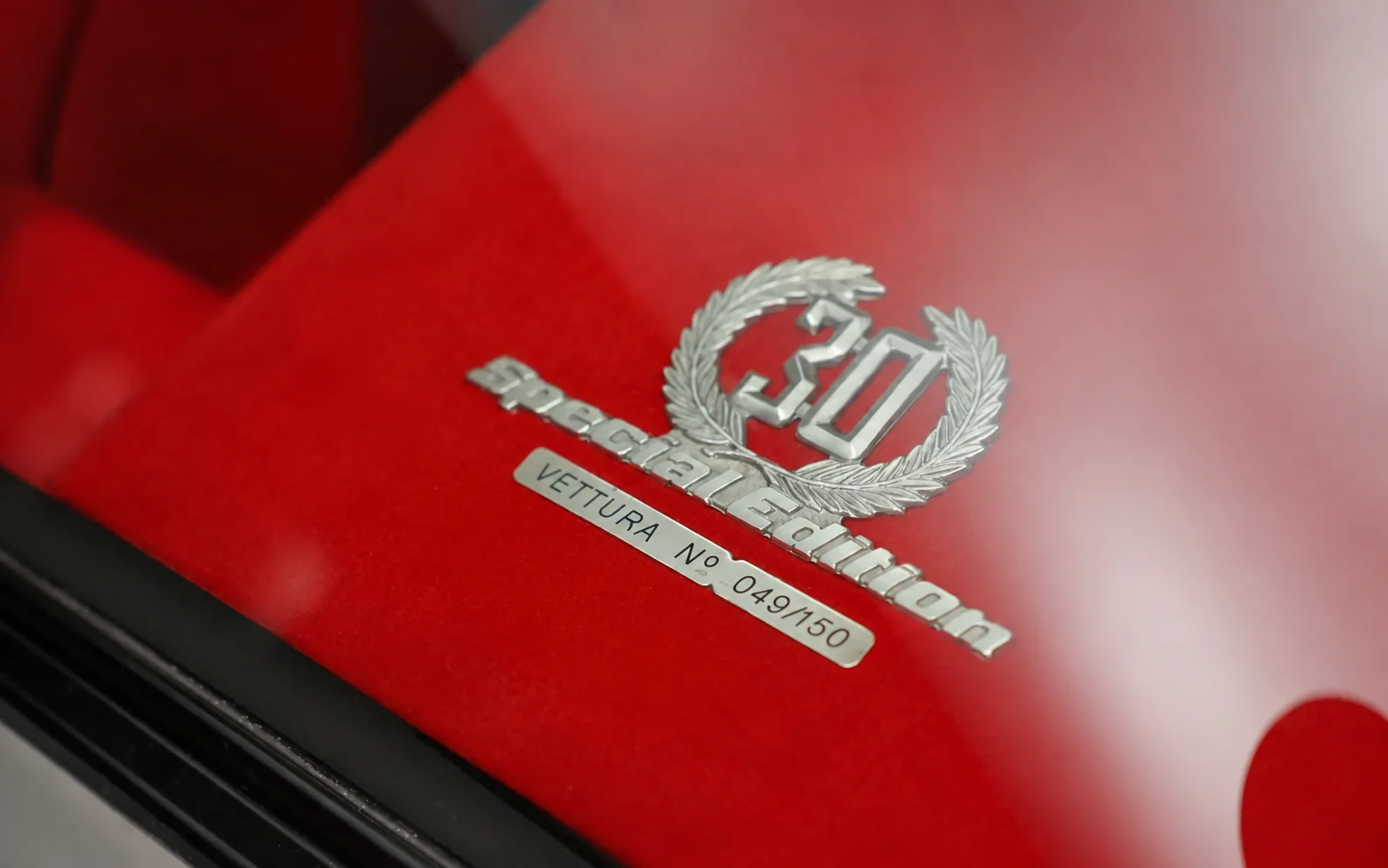
Numbered plaqueEach car was numbered in sequence at the factory.
This Example
Chassis 12049
Completed in 1995, in the final year of the run, to European specification with left-hand drive. Eighteen of the 150 were built in right-hand drive. This is not one of them.
The order sheet went against the model twice. The seller records the resulting combination as unique within the 150.
39,662 kilometres are recorded. The car has since been restored to concours level.
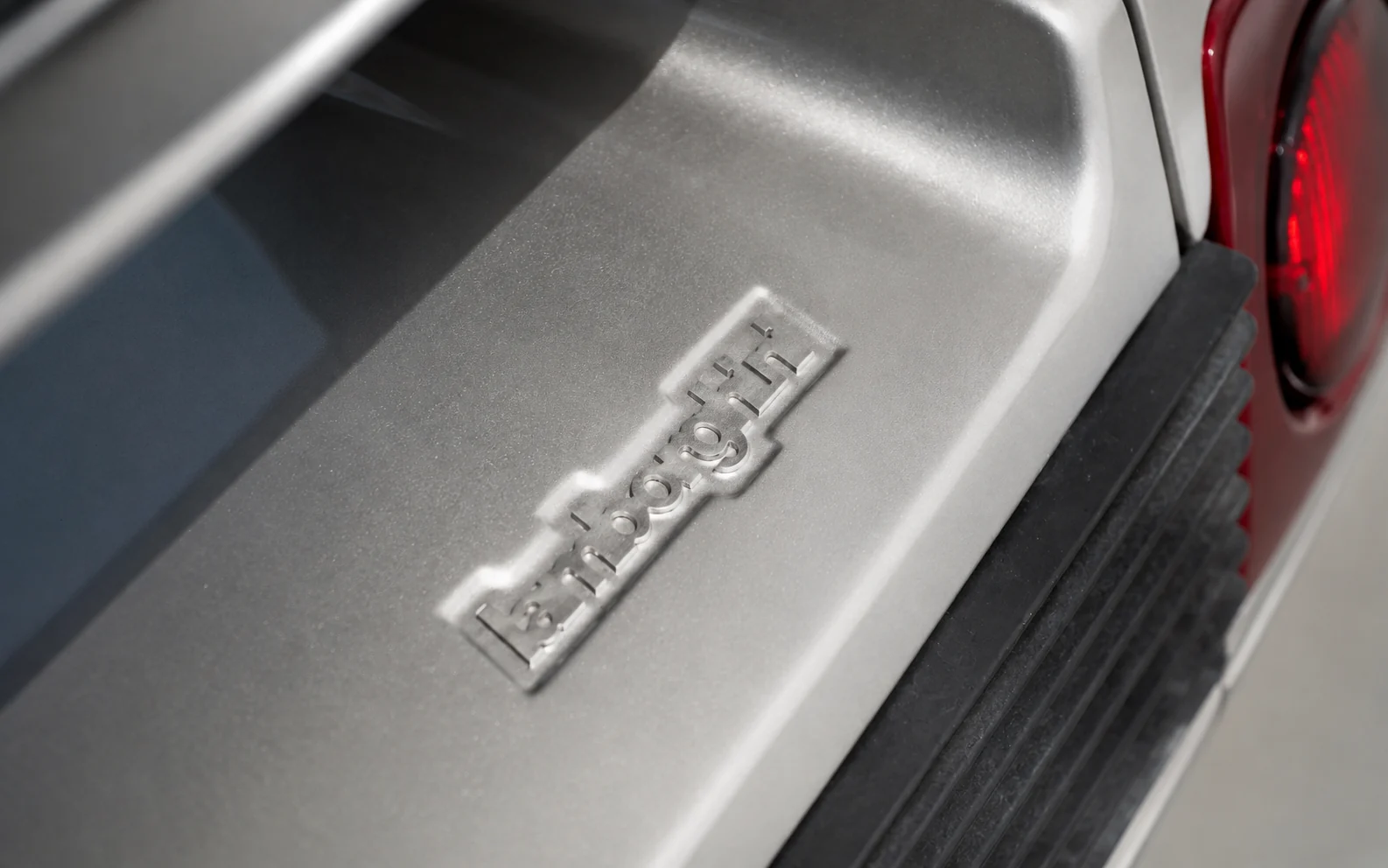
Each SE30 carried a numbered plaque in the rear side window. That number, the scope of the restoration, and the ownership record from new are held with the car and available on request.

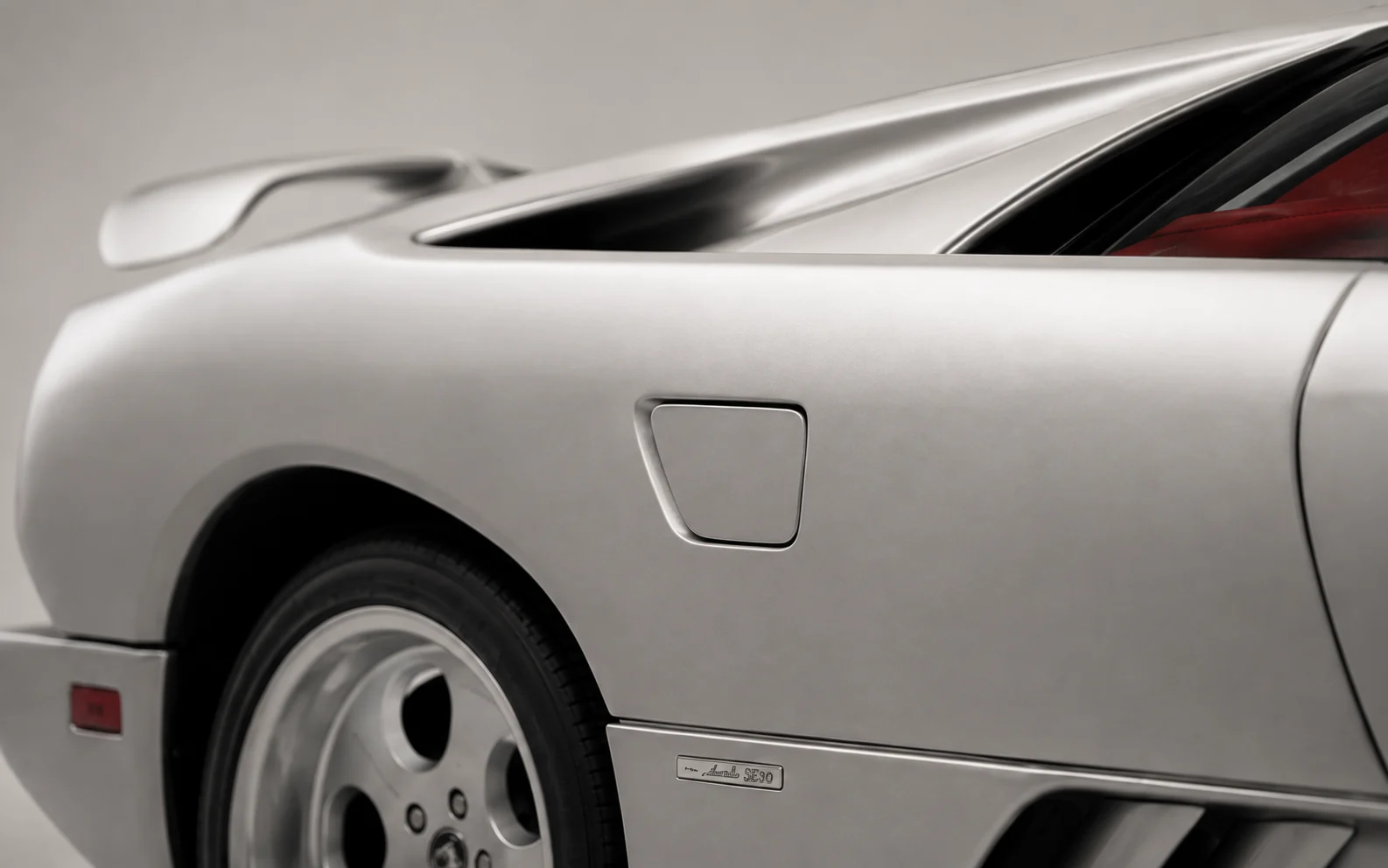
Anniversary roundelCarried on the rear quarter by all 150.
As the Factory Built It
Figures as published by Lamborghini for the model. Where period sources disagree, both are shown.
All details subject to buyer verification.
The Car in Full
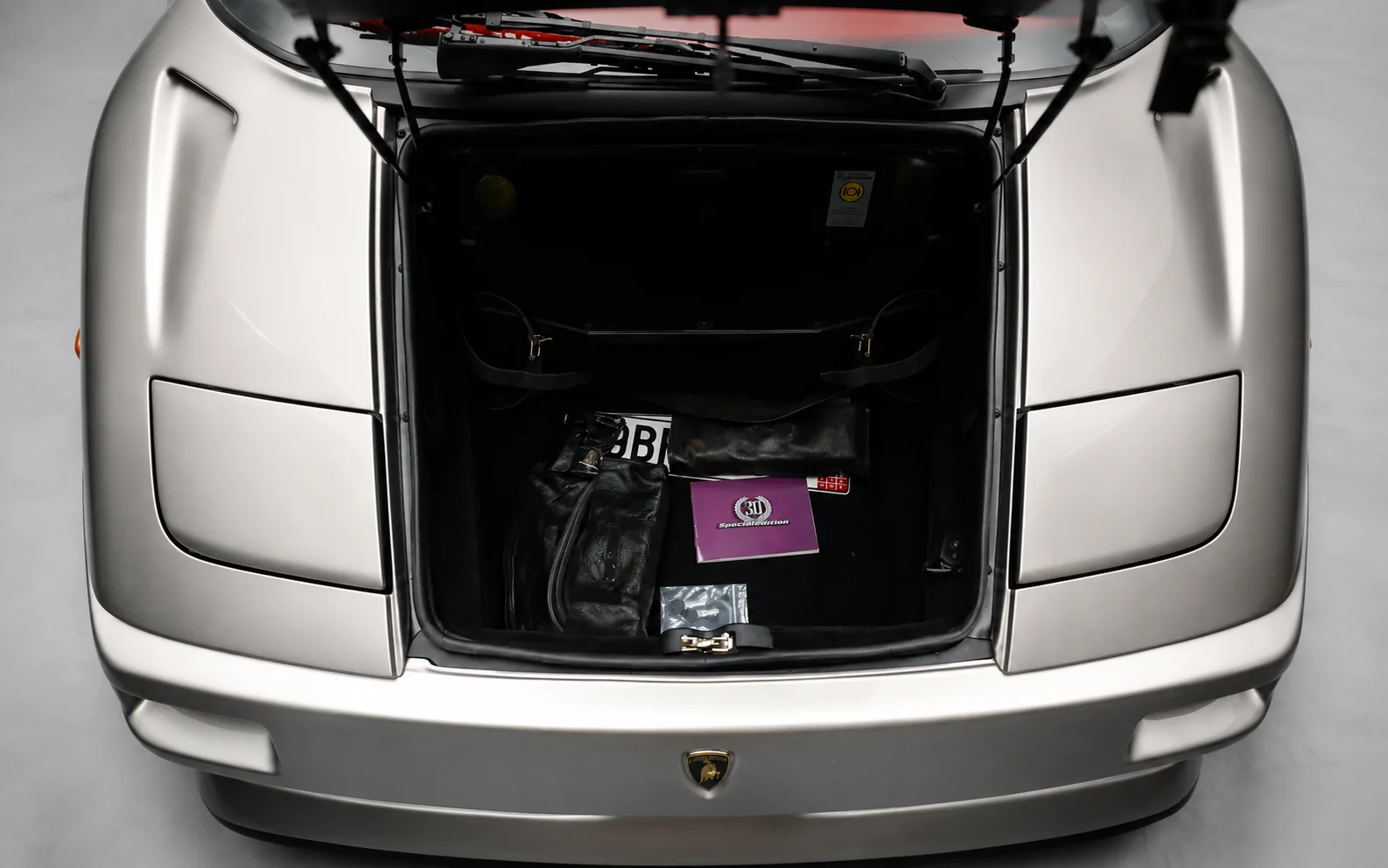
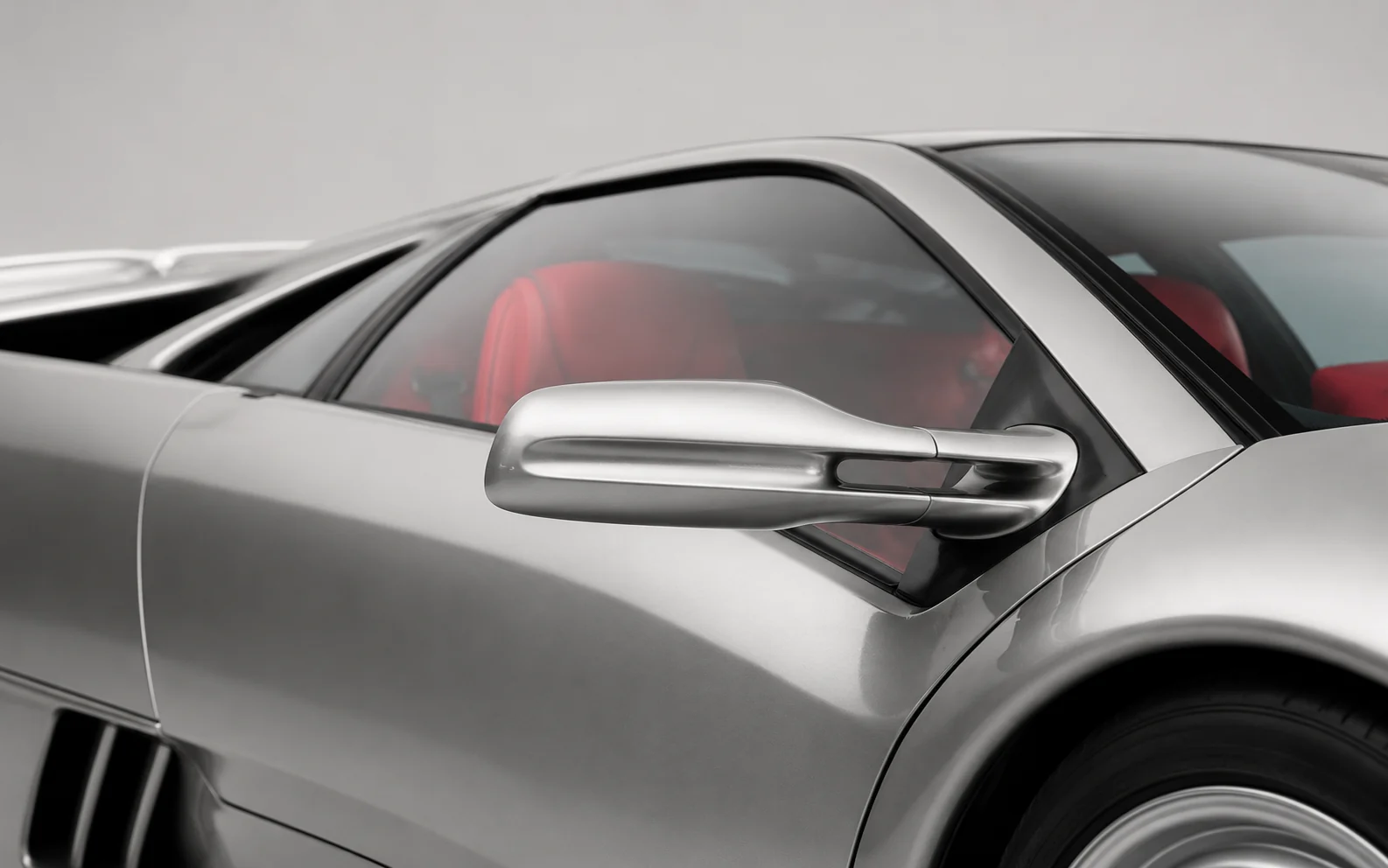
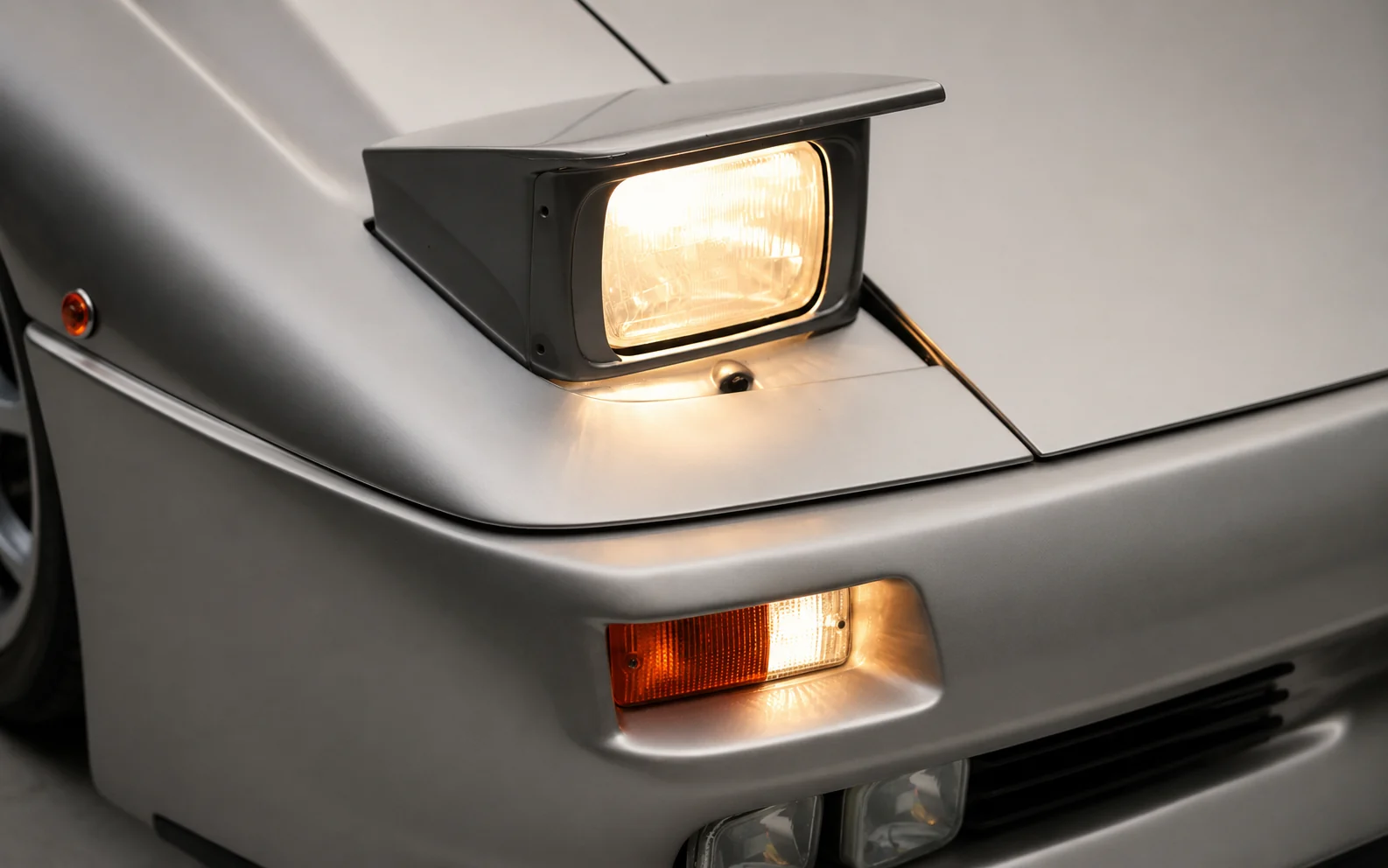
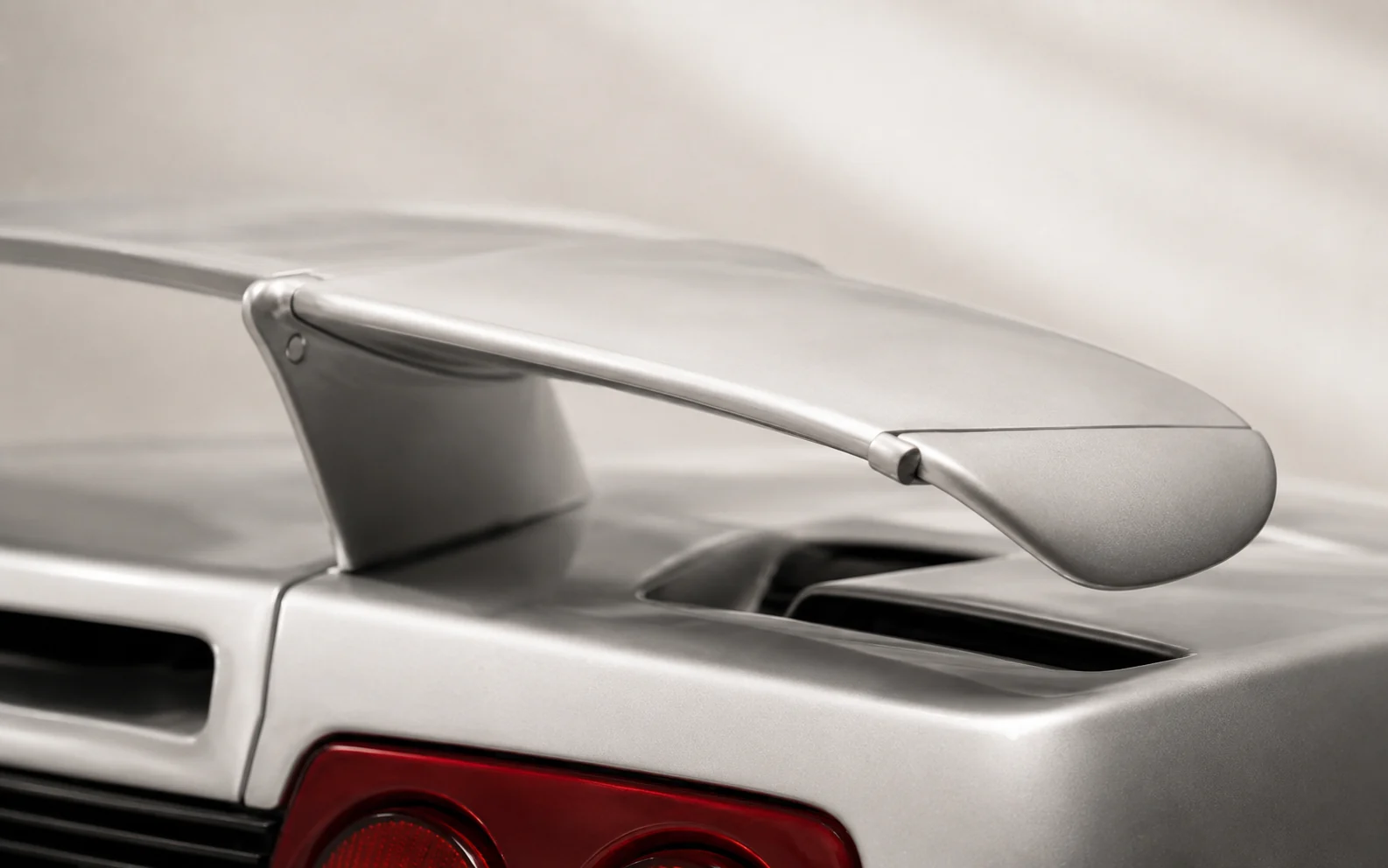
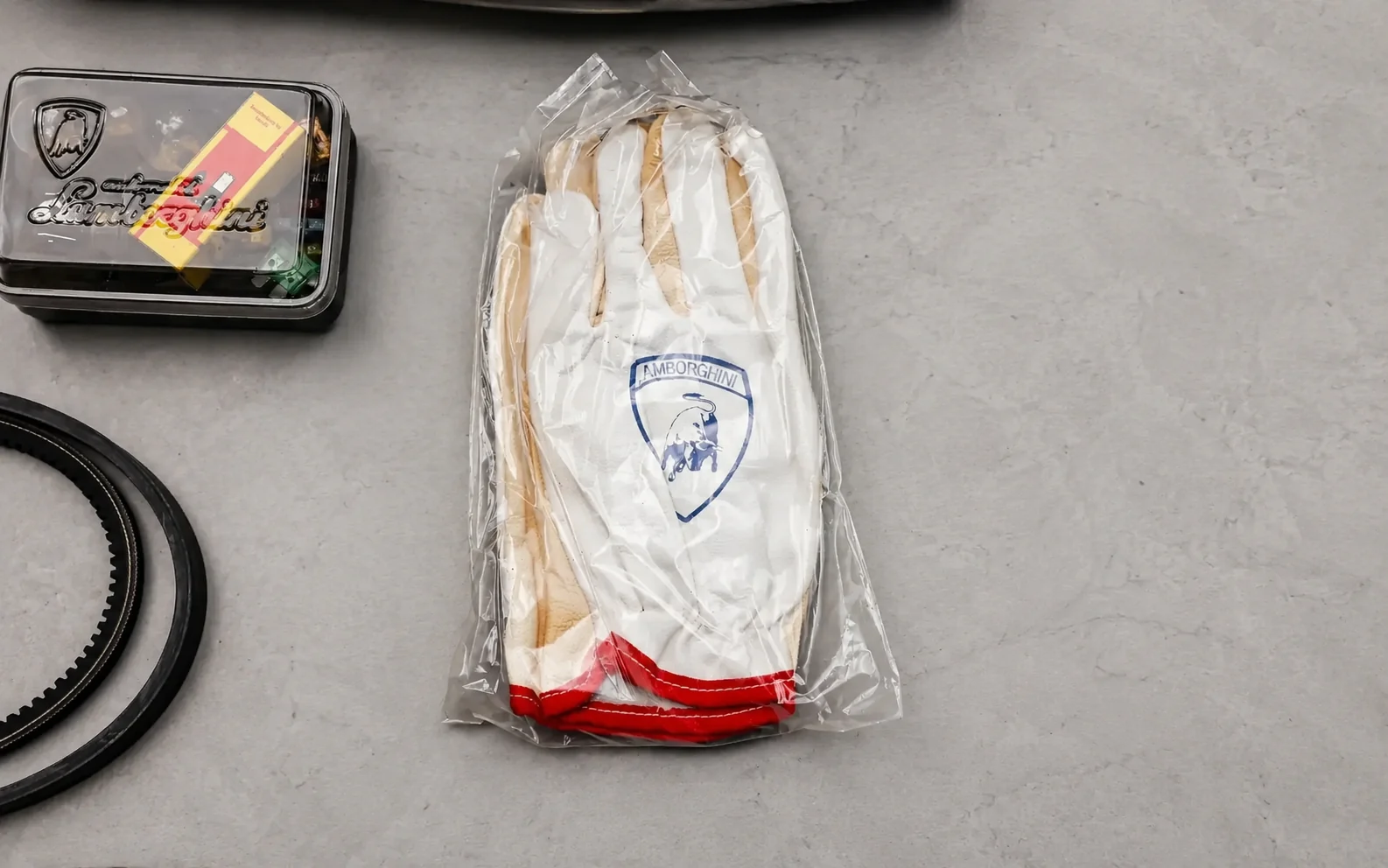
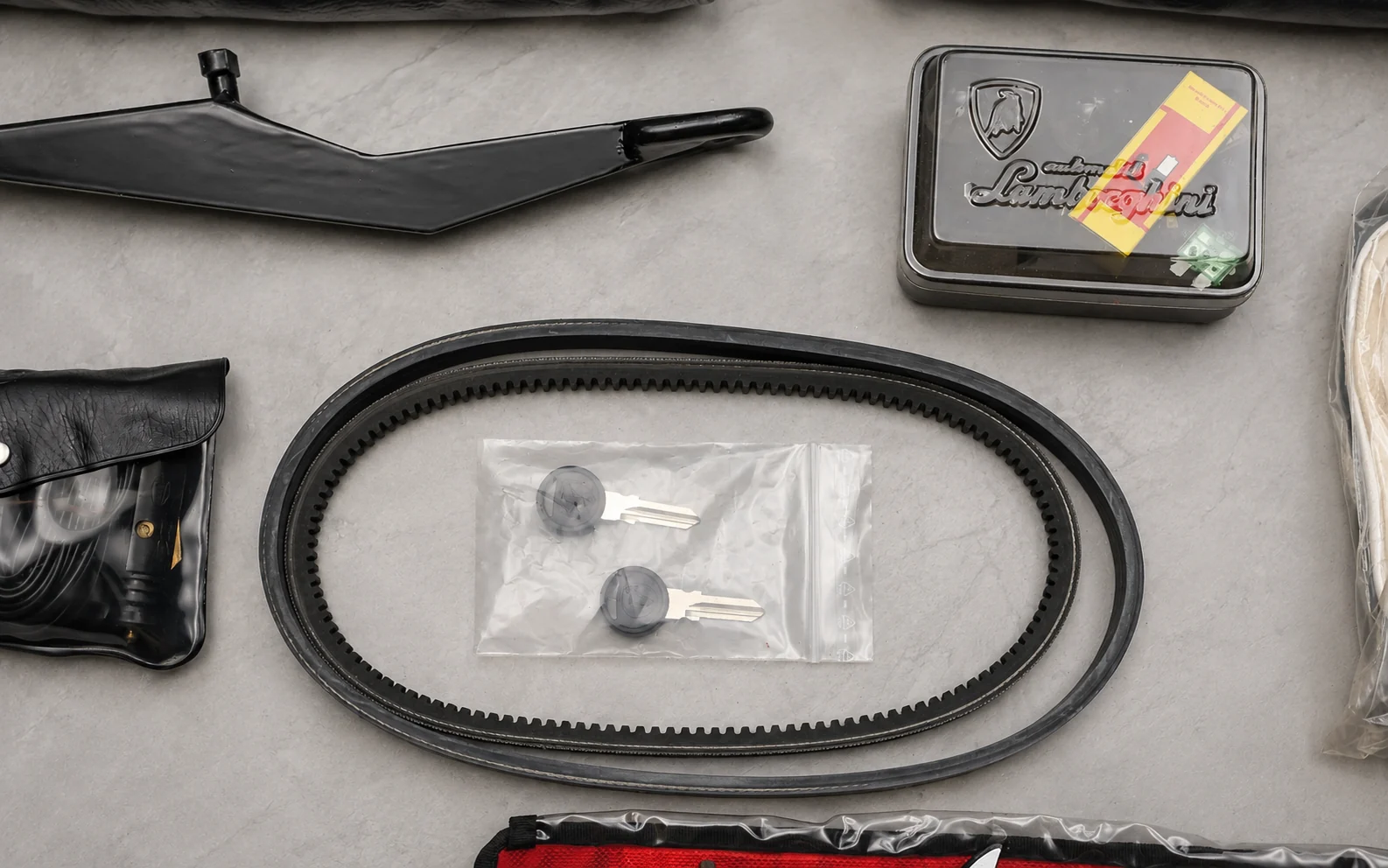
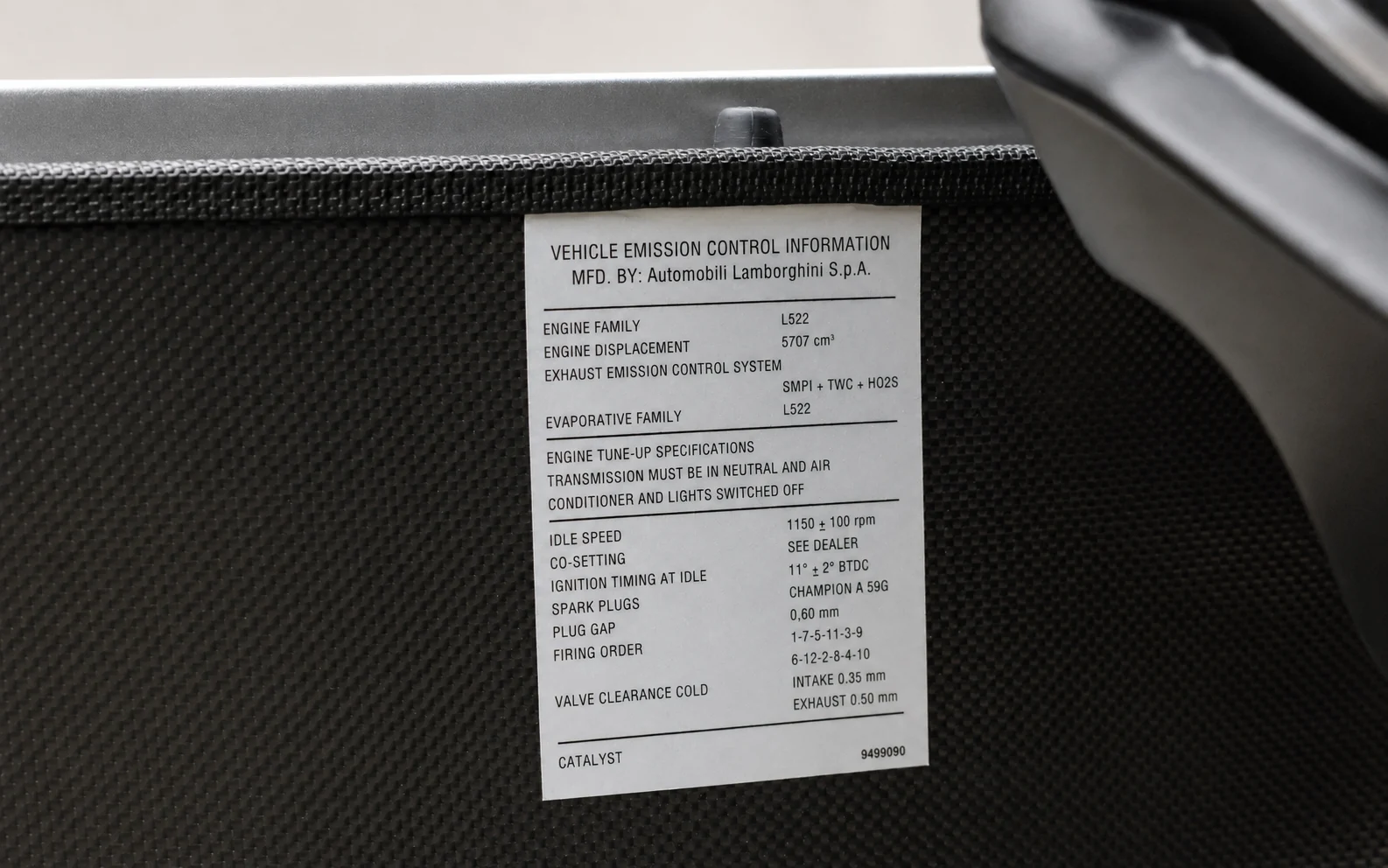
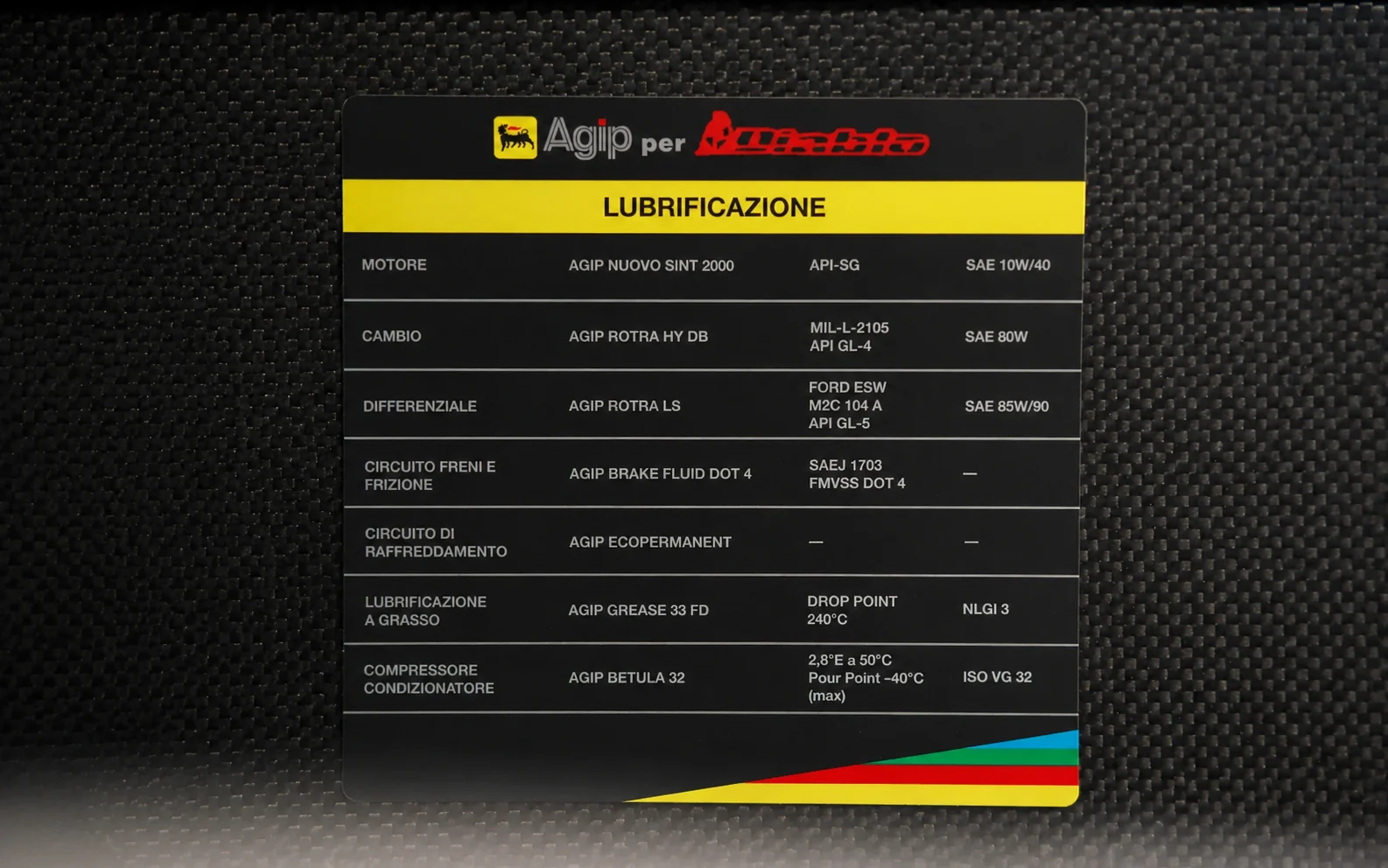
Exterior, cabin and detail. The full set as the car stands today.

What the Specification Omits
Fixed Glass
The single-piece side windows were another casualty of the weight programme. Each was replaced by a large fixed panel of lightweight synthetic glass with a small retractable corner pane, the arrangement race cars had used for years. On the right rear fender, a flush external filler cap replaced the concealed one.
The Wing They Built Twice
The rear spoiler was made specifically for this model, with drooped corners and a Gurney flap the owner sets by hand. The manufacturing process developed for it was carried forward into later Lamborghinis.
The Jota Kit
Developed by Lamborghini Engineering, the department then running the company's Formula One engine programme, and named after the Miura-based experimental car of 1970. It brought a 595 bhp engine, a competition exhaust and a twin-scoop engine cover, and it was not recommended for road use. Twenty-eight kits were produced, of which roughly a dozen were fitted at the factory. Chassis 12049 was never one of them.
The End of a Line
The SE30 is the final development of the 5.7-litre rear-drive Diablo. Everything Sant'Agata built afterwards gained driver aids, and from 1999 the pop-up headlamps went too. This was the end of the analogue car.
What Comes With the Car
Lamborghini Polo Storico, the factory's heritage department, works with models out of production for at least twenty years. The Diablo now sits inside that window. Certification of authenticity, archive research on an individual chassis and supply of original parts are all handled there, on application to Sant'Agata.
A concours-restored SE30 in a documented one-off configuration reads well against the modern classic classes now appearing at Villa d'Este, Salon Privé and Goodwood. Lamborghini runs its own calendar alongside them, with Giro tours and the annual gathering at Sant'Agata open to owners directly.
Entry is at the discretion of each organiser.
One Car, One Configuration
Argento over red Alcantara, 39,662 kilometres, restored to concours level. History from new, restoration record and plaque number available to serious enquiries.